Best Time to Visit Morocco: Complete Month-by-Month Travel Guide
Morocco is a destination you can visit throughout the year, but choosing the best time to visit Morocco can make a major difference to your experience. The country offers an extraordinary variety of landscapes, from the historic medinas of Fes and Marrakech to the Atlas Mountains, Atlantic coast, Mediterranean north, and the golden dunes of the Sahara Desert.
Because Morocco has such diverse geography, there is no single perfect month for every traveler. The best season depends on where you want to go and what you want to experience.
For travelers dreaming of wandering through ancient medinas, exploring imperial cities, crossing the Atlas Mountains, riding camels across Sahara dunes, or spending a night beneath the desert stars, spring and autumn are generally among the most comfortable periods.
However, winter can be excellent for exploring southern Morocco and the Sahara, while summer is ideal for travelers heading toward the Atlantic coast or northern Morocco.
This complete guide explains when to visit Morocco, what weather to expect throughout the year, and how to choose the best period for your Moroccan adventure.
When Is the Best Time to Visit Morocco?
For most travelers, the best time to visit Morocco is from March to May and from September to November.
Spring and autumn generally provide comfortable temperatures for sightseeing and traveling between different regions. These seasons are particularly convenient if your itinerary combines several destinations such as Fes, Marrakech, Chefchaouen, the Atlas Mountains, and the Sahara Desert.
During spring, Morocco's landscapes can become greener and temperatures are usually pleasant in many parts of the country.
Autumn offers similar advantages. The strongest summer heat begins to fade, making walking tours, road trips, desert excursions, and cultural sightseeing more comfortable.
That does not mean you should avoid Morocco during the rest of the year. Each season offers a different experience.
Morocco Weather by Season
Understanding Morocco's geography is essential when planning your trip.
The weather in Fes can be completely different from the weather in Merzouga. Marrakech may be hot while the Atlas Mountains are considerably cooler. Coastal destinations such as Essaouira also tend to experience different conditions from inland cities.
For this reason, think about your complete itinerary rather than looking only at Morocco's average temperature.
Spring in Morocco: March to May
Spring is one of the most popular seasons for visiting Morocco.
Temperatures are generally comfortable, daylight hours are increasing, and many landscapes are at their most attractive. This makes spring particularly suitable for travelers planning a tour that combines cities, mountains, valleys, and desert scenery.
In Fes, spring is an excellent period for exploring Fes el Bali and spending hours discovering the narrow streets, souks, historical monuments, workshops, madrasas, and traditional architecture.
Marrakech is also enjoyable during this period because sightseeing can be more comfortable than during the hottest part of summer.
Spring is especially attractive for road trips through Morocco. Routes crossing the Middle Atlas or High Atlas reveal dramatic changes in landscape as you travel toward the desert.
For many first-time visitors, April and May are among the best months to visit Morocco.
Summer in Morocco: June to August
Summer in Morocco can become very hot, particularly in inland and southern areas.
Cities such as Marrakech and destinations close to the Sahara can experience intense daytime heat. Travelers considering a desert tour during summer should therefore plan carefully.
Activities may need to take place earlier in the morning or later in the afternoon when temperatures are more manageable.
However, summer should not automatically be considered a bad time to visit Morocco.
The country's geographic diversity provides alternatives.
Coastal destinations such as Essaouira are popular during warmer months because Atlantic influences can provide a different climate from inland Morocco.
Northern destinations can also be attractive for summer travelers.
If you plan to visit the Sahara in July or August, prepare for very high daytime temperatures. Lightweight clothing, sun protection, water, and appropriate scheduling become particularly important.
Summer may suit travelers who tolerate heat well or whose itinerary concentrates on coastal and northern destinations.
Autumn in Morocco: September to November
Autumn is another excellent season for a Morocco vacation.
After the strongest summer heat begins to disappear, exploring inland cities and desert regions becomes increasingly comfortable.
September can still be hot in some areas, but October and November often provide very attractive conditions for travelers interested in combining Morocco's cultural cities with the Sahara.
This makes autumn particularly suitable for itineraries connecting destinations such as Fes and Marrakech through Merzouga.
You can explore historical sites during the day, experience the changing landscapes of the Atlas regions, and continue toward the Sahara without the extreme summer temperatures.
For many travelers, October is one of the best months to travel to Morocco.
Winter in Morocco: December to February
Many travelers are surprised by how varied Moroccan winters can be.
Morocco is often imagined as permanently hot, but winter temperatures depend greatly on location and elevation.
The Atlas Mountains can experience snow and very cold conditions, while desert days can remain sunny and pleasant. Once the sun disappears in the Sahara, however, temperatures can drop significantly.
Cities such as Fes can also have cold mornings and evenings.
Winter is therefore an interesting period for travelers who prefer cooler sightseeing conditions, but packing layers is important.
If you are planning a Sahara Desert tour during winter, bring warm clothing for evenings and early mornings.
The contrast between comfortable sunny afternoons and cold desert nights can be considerable.
Morocco Month-by-Month
Morocco in January
January is one of Morocco's cooler months.
It can be a good choice for cultural sightseeing in cities such as Fes and Marrakech because visitors avoid the intense summer heat.
The Sahara can also be beautiful in January, particularly during sunny daytime hours.
However, desert nights can become cold, so travelers should bring warm layers.
January is suitable for travelers who prefer cooler weather and are prepared for significant temperature differences between day and night.
Morocco in February
February remains relatively cool but begins the transition toward spring.
It can be a good month for exploring imperial cities, historical attractions, and southern destinations.
Travelers heading into mountainous regions should still prepare for winter conditions.
Toward the end of February, temperatures can start becoming milder in several regions.
Morocco in March
March marks the beginning of one of Morocco's most attractive travel periods.
Spring weather makes city exploration, road trips, hiking, and desert adventures increasingly appealing.
The countryside can also appear greener following winter rainfall.
March is an excellent choice if your itinerary includes multiple environments because conditions are generally easier for traveling between cities, mountains, valleys, and desert regions.
Morocco in April
April is often considered one of the best months to visit Morocco.
Temperatures are usually comfortable across many popular destinations, making it an excellent month for exploring Fes, Marrakech, Chefchaouen, and the Sahara.
It is particularly suitable for travelers planning longer itineraries involving several regions of the country.
Because April is an attractive travel period, planning accommodation and tours in advance can be useful.
Morocco in May
May offers warmer conditions while generally remaining more comfortable than the peak summer months.
It is a particularly good period for road trips and desert tours.
Travelers can explore Morocco's imperial cities before continuing through mountain landscapes toward Merzouga and the Sahara.
By late May, southern destinations can become considerably warmer, so sun protection and hydration become increasingly important.
Morocco in June
June marks the beginning of summer.
Temperatures start rising significantly, particularly in Marrakech, inland regions, and southern Morocco.
Early June can still be attractive for broad itineraries, but travelers should prepare for warmer afternoons.
If visiting the Sahara, activities should be scheduled around the heat whenever possible.
Morocco in July
July is among the hottest months in Morocco.
Travelers planning to explore inland cities should be prepared for high temperatures.
Sightseeing early in the morning and later in the day can be much more comfortable than exploring during the hottest afternoon hours.
Coastal destinations become particularly attractive during this period.
A summer itinerary combining northern Morocco and Atlantic destinations can therefore offer a very different experience from a desert-focused journey.
Morocco in August
August continues the summer heat.
The Sahara and inland regions can be extremely hot during the daytime.
For visitors traveling during August, slower itineraries and carefully planned schedules can make the trip more comfortable.
The Atlantic coast remains an attractive option, and summer is also an important holiday period for many Moroccan families.
Morocco in September
September begins the transition from summer toward autumn.
Early September can remain hot, but conditions usually become more comfortable as the month progresses.
It is a good period for travelers who want warm weather while avoiding some of the strongest summer temperatures.
Desert tours also become increasingly attractive toward late September.
Morocco in October
October is another excellent month for visiting Morocco.
Temperatures are generally suitable for city sightseeing, road trips, outdoor activities, and Sahara adventures.
Travelers can spend time exploring the Fes Medina, cross the Middle Atlas, continue toward Merzouga, experience the Sahara, and travel onward toward Marrakech.
Because of its versatility, October is one of the strongest months for travelers who want to experience several different sides of Morocco during one journey.
Morocco in November
November brings cooler temperatures, particularly during mornings and evenings.
It remains an attractive period for cultural trips and desert tours.
The Sahara can offer comfortable daytime conditions, although nights become progressively colder.
Visitors should pack layers, especially when traveling between cities, mountains, and desert regions.
Morocco in December
December offers a completely different Moroccan experience from summer.
Cities are cooler, mountain areas can experience snow, and desert nights can become very cold.
However, daytime exploration can still be pleasant in many regions.
December can be especially interesting for travelers looking for a winter escape that combines cultural discovery with a Sahara experience.
Best Time to Visit Fes
The best periods to visit Fes are generally spring and autumn.
Fes is a city made for exploration on foot, particularly inside the historic Fes el Bali Medina.
Walking through its narrow streets can take several hours, especially when visiting artisan workshops, souks, madrasas, traditional neighborhoods, and historical monuments.
Moderate temperatures therefore make the experience more comfortable.
March through May and September through November are particularly attractive periods.
Winter can also be enjoyable for travelers who prefer cooler conditions.
Best Time to Visit the Sahara Desert
For many visitors, seeing the Sahara is one of the highlights of a Morocco trip.
The most comfortable periods for a Morocco desert tour are generally spring and autumn.
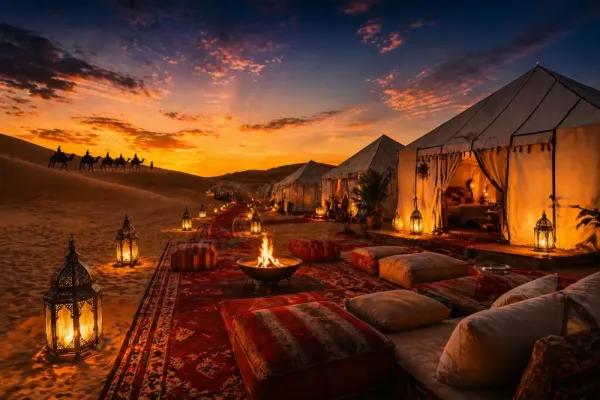
During these seasons, daytime temperatures are usually better suited to exploring desert landscapes, camel trekking, visiting local communities, watching sunset over the dunes, and spending the night at a desert camp.
Winter is another good option, particularly if you prefer cooler daytime conditions. Just remember that nights can become surprisingly cold.
Summer desert travel is possible, but visitors should be prepared for intense heat.
Best Time for a Fes to Merzouga Desert Tour
Fes is one of the most convenient starting points for discovering southeastern Morocco and the Sahara.
A journey from Fes toward Merzouga reveals an impressive variety of landscapes.
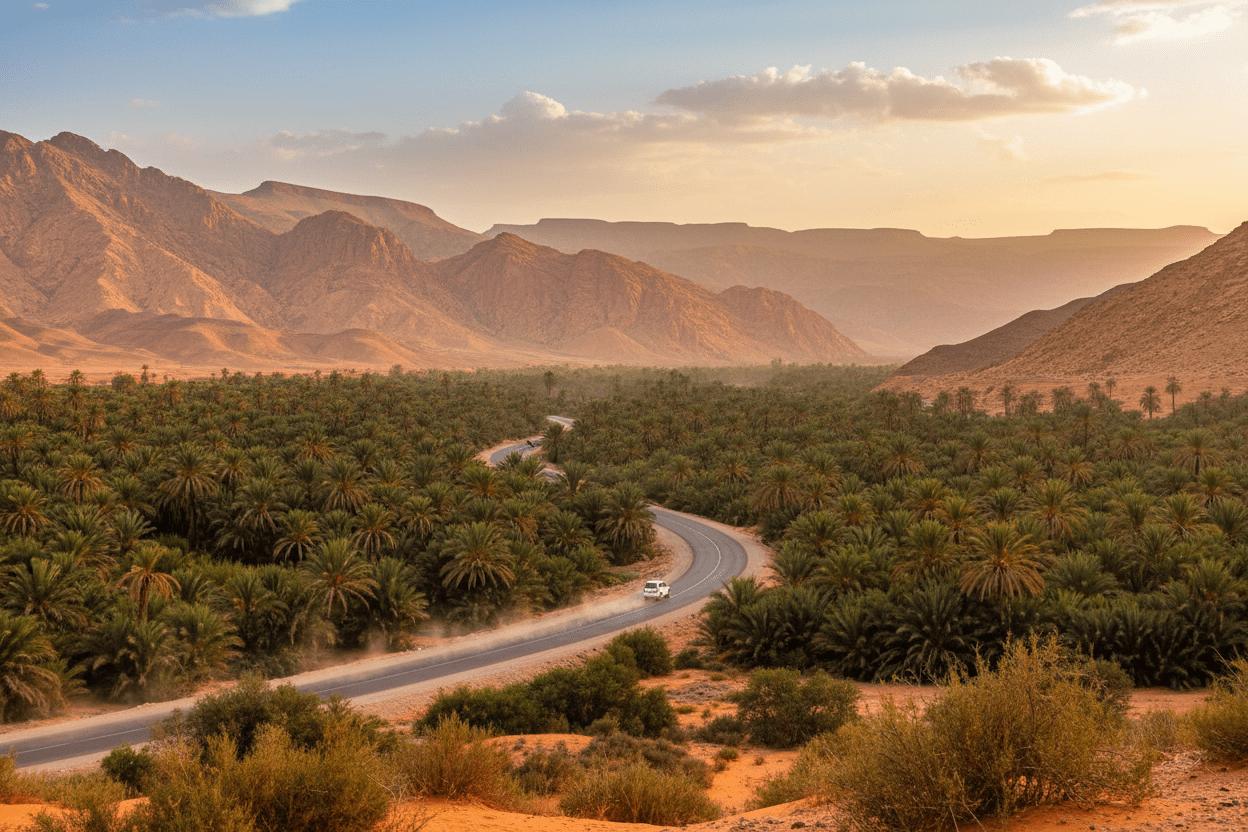
The route can take travelers through the Middle Atlas region, mountain towns, cedar landscapes, valleys, palm-filled areas, and finally the desert scenery surrounding Merzouga and Erg Chebbi.
Spring and autumn are particularly suitable for this journey because the route crosses regions with very different climates.
A multi-day tour also allows you to experience the gradual transformation of Morocco's landscape rather than simply arriving in the desert.
How Many Days Do You Need in Morocco?
The ideal length of a Morocco trip depends on the places you want to visit.
A short trip of three to five days can focus on one region, such as Fes and nearby destinations or Marrakech and its surroundings.
With around seven days, you can combine several major destinations.
A trip lasting ten days or longer provides considerably more flexibility and allows you to explore Morocco at a more relaxed pace.
Longer itineraries can combine Fes, Chefchaouen, Marrakech, the Atlas Mountains, Sahara Desert, kasbahs, valleys, and coastal destinations without spending every day rushing between locations.
When possible, avoid trying to see the entire country in only a few days. Morocco's landscapes are part of the experience, and traveling between destinations can be just as memorable as the cities themselves.
What to Pack for Morocco
Your packing list should reflect both the season and your itinerary.
Lightweight, breathable clothing is useful during warmer periods, while layers are essential during winter and for desert nights.
Comfortable walking shoes are particularly important for exploring historic medinas such as Fes.
You should also consider packing sun protection, sunglasses, a hat, a reusable water bottle, and a light jacket.
For Sahara tours, temperatures can change significantly between daytime and nighttime, so layers are useful even when daytime weather feels warm.
Respectful clothing that provides reasonable coverage is also practical when visiting traditional communities, religious surroundings, and rural areas.
Is Morocco Worth Visiting All Year?
Yes. Morocco's diversity makes year-round travel possible.
The key is matching your itinerary to the season.
Spring and autumn are excellent for travelers who want to explore several regions.
Winter works particularly well for cultural sightseeing and southern adventures if you are prepared for colder evenings.
Summer favors coastal and northern destinations, although travelers comfortable with heat can still explore other parts of the country with appropriate planning.
Rather than asking whether there is a bad time to visit Morocco, it is more useful to ask which Moroccan destinations best match the month you plan to travel.
Planning Your Morocco Tour
Morocco rewards travelers who experience more than one side of the country.
A journey can begin among the ancient streets of Fes, continue through mountain landscapes, reach the Sahara dunes of Merzouga, pass through valleys and kasbahs, and eventually arrive in Marrakech.
Other itineraries can begin in Casablanca or Tangier and connect Morocco's northern cities with its imperial heritage and desert landscapes.
Private and customized Morocco tours can be especially useful when you want an itinerary adapted to your available time, preferred destinations, travel pace, and season.
Instead of trying to fit your trip into a fixed route, you can build the journey around the experiences that matter most to you.
Frequently Asked Questions About the Best Time to Visit Morocco
What is the best month to visit Morocco?
April, May, October, and early November are among the most attractive periods for many travelers because temperatures are generally comfortable for sightseeing, road trips, and desert experiences.
The best month still depends on the regions you plan to visit.
What is the best time to visit the Sahara Desert in Morocco?
Spring and autumn are generally the most comfortable seasons for visiting the Sahara. Winter is also attractive, but nights can become cold. Summer can be extremely hot during the daytime.
Is Morocco too hot in summer?
Some parts of Morocco become very hot during summer, particularly inland cities and desert regions. Coastal and northern destinations can offer alternatives for summer travelers.
Is Morocco cold in winter?
It can be. Mountain areas may experience snow, while cities such as Fes can have cold mornings and evenings. Sahara days may feel pleasant, but nighttime temperatures can drop considerably.
How many days should I spend in Morocco?
Seven to ten days provides enough time for a varied itinerary, while ten to fourteen days allows travelers to experience multiple cities, the mountains, desert regions, and other destinations at a more comfortable pace.
When is the best time to visit Fes?
Spring and autumn are particularly good for Fes because temperatures are comfortable for walking through the Medina and visiting the city's historical and cultural attractions.
When should I book a Morocco desert tour?
If you are traveling during popular spring or autumn periods, booking in advance can give you more choice in your itinerary and accommodations.
Discover Morocco at the Right Time for You
The best time to visit Morocco ultimately depends on the journey you want to create.
Choose spring if you want pleasant temperatures, greener landscapes, and excellent conditions for exploring several regions.
Choose autumn if you want warm days, comfortable sightseeing, and an ideal period for Sahara adventures.
Choose winter if you prefer cooler cities and sunny desert days and do not mind cold evenings.
Choose summer if your plans focus on Morocco's coast or northern destinations, or if you are comfortable traveling in high temperatures.
Whatever season you choose, Morocco offers an extraordinary combination of ancient cities, mountain scenery, desert landscapes, traditional hospitality, local cuisine, architecture, craftsmanship, and culture.
From the historic Medina of Fes to the dunes of Merzouga, every region reveals a different side of the country.
Planning around the season allows you to experience those destinations at their best—and turn a simple vacation into a journey across one of North Africa's most diverse and fascinating countries.