Morocco in winter offers a completely different way to experience one of North Africa's most fascinating destinations. From the snow-covered Atlas Mountains to the golden dunes of the Sahara Desert, ancient medinas, Atlantic coastal towns and peaceful blue streets of Chefchaouen, winter reveals just how diverse Morocco really is.
While many travelers automatically associate Morocco with hot weather and endless sunshine, December, January and February can actually be some of the most rewarding months to explore the country. Temperatures are generally more comfortable for sightseeing, popular attractions can feel less crowded than during peak periods, and the contrast between mountains, cities and desert landscapes becomes especially dramatic.
Winter is also an excellent season for travelers who want to combine cultural discovery with a Sahara adventure. You can spend the morning wandering through the historic medina of Fes, cross the Middle Atlas Mountains, see snowy landscapes around Ifrane and later continue south toward the dunes of Merzouga.
If you are considering a winter holiday in Morocco, this guide covers the weather, the best destinations, what to pack, Sahara travel, recommended experiences and practical advice for planning your journey.
Is Winter a Good Time to Visit Morocco?
Yes. Winter can be an excellent time to visit Morocco, especially for travelers interested in culture, desert landscapes, photography, road trips and exploring historic cities.
Morocco's geography creates several different climates within the same country. Conditions along the Atlantic coast are very different from those in the Atlas Mountains, while the Sahara Desert experiences another climate altogether.
This variety is one of the reasons winter travel in Morocco is so interesting.
You might explore Fes in a jacket in the morning, encounter snow while crossing the Middle Atlas and then arrive near the Sahara under clear desert skies.
Winter can also make long sightseeing days more comfortable. Exploring medinas, archaeological sites, kasbahs and desert landscapes can be physically demanding during periods of intense summer heat. Cooler winter temperatures allow many visitors to explore at a more relaxed pace.
For travelers interested in experiencing several regions in one journey, browse the Morocco Desert Tours offered by Fes Morocco Tours to compare routes starting from Fes, Marrakech, Casablanca and Tangier.
When Is Winter in Morocco?
Winter in Morocco generally runs from December through February, although cooler conditions can begin during November and continue into March depending on the region.
December is a popular month because travelers can combine cultural sightseeing with winter sunshine and desert experiences.
January is typically one of the coolest periods of the year, particularly during the night and in mountainous areas.
February begins the transition toward spring, although mountain regions can remain cold and snow is still possible at higher elevations.
The important thing to understand is that there is no single "Morocco winter temperature." Conditions vary considerably depending on where you travel.
What Is the Weather Like in Morocco During Winter?
Morocco's winter weather depends heavily on altitude and geography.
Cities such as Marrakech can experience pleasant daytime conditions but considerably cooler evenings. Fes can feel chilly during the morning and night, while coastal destinations are influenced by the Atlantic Ocean.
Mountain areas are much colder. The Middle Atlas and High Atlas can receive snowfall, creating landscapes that surprise travelers who imagined Morocco only as a desert destination.
The Sahara presents another contrast.
Days in and around Merzouga can be comfortable for exploring the dunes, but temperatures can fall significantly after sunset. A warm jacket and layers are therefore important if you plan to spend a night in a desert camp.
The key to traveling through Morocco in winter is simple: pack for several climates rather than one.
Best Places to Visit in Morocco in Winter
1. Fes
Fes is one of Morocco's most rewarding cultural destinations at any time of year, but winter is particularly suitable for exploring its historic streets.
Fes el-Bali is filled with narrow alleys, traditional workshops, markets, historic religious buildings, fountains and centuries-old architecture. Cooler temperatures can make walking through the medina much more comfortable than during the hottest months.
Winter is also an excellent season for experiencing Moroccan food. Warm tagines, couscous, soups and mint tea feel particularly appropriate after spending several hours exploring the old city.
More importantly, Fes is an excellent starting point for traveling south toward the Sahara.
Travelers can explore the available Fes Desert Tours and private trips from Fes, including routes toward Merzouga and journeys that continue across southern Morocco to Marrakech.
2. Ifrane and the Middle Atlas
One of the most surprising winter experiences in Morocco can be found in the Middle Atlas Mountains.
Ifrane is known for its alpine-style architecture, clean streets and mountainous surroundings. During winter, snowfall can transform the area into a landscape that feels completely different from the Morocco many first-time visitors expect.
The surrounding Middle Atlas region offers cedar forests, mountain scenery and traditional towns.
Travelers heading from Fes toward Merzouga frequently cross this region, creating one of Morocco's most interesting geographical transitions: ancient imperial city, mountain forests and eventually Sahara landscapes.
This contrast makes the journey itself an important part of the experience rather than simply transportation between Fes and the desert.
3. Merzouga and the Sahara Desert
For many visitors, seeing the Sahara Desert is the highlight of a trip to Morocco.
Winter can be an excellent season for visiting Merzouga because daytime exploration is generally more comfortable than during periods of extreme summer heat.
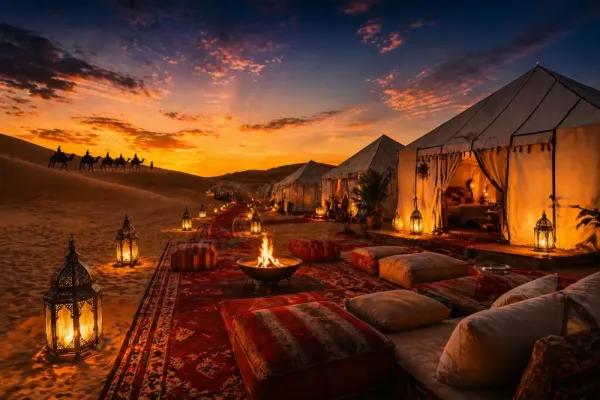
Merzouga sits beside Erg Chebbi, famous for its enormous golden-orange dunes. Travelers come here for camel trekking, sunsets, desert camps, stargazing and the extraordinary silence of the Sahara.
A typical experience may involve reaching Merzouga in the afternoon, preparing a small bag for the desert and crossing the dunes by camel around sunset. After arriving at camp, visitors can enjoy dinner, music and a night beneath the desert sky before waking for sunrise.
However, desert nights during winter can be genuinely cold.
Bring warm clothing even when the daytime weather feels comfortable.
You can learn more about the destination in our guide to Merzouga and the Sahara Desert.
Travelers beginning their journey in Fes can also consider the 5-day Fes to Marrakech desert tour, which connects Fes with the Middle Atlas, Merzouga, Todra Gorges, Dades, Ouarzazate and Ait Ben Haddou before reaching Marrakech.
4. Marrakech
Marrakech remains one of Morocco's essential destinations during winter.
The cooler season is particularly suitable for exploring the medina, souks, palaces, gardens and famous Jemaa el-Fnaa without dealing with the intense temperatures that can occur during summer.
Winter evenings can become cool, but the atmosphere around the medina remains lively.
Marrakech is also one of Morocco's principal gateways to the south. From the city, travelers can cross the High Atlas Mountains and continue toward Ait Ben Haddou, Ouarzazate, Dades Valley, Todra Gorges and Merzouga.
If Marrakech is part of your itinerary, explore our Marrakech Desert Tours, which include short desert escapes as well as longer routes connecting Marrakech, Merzouga and Fes.
5. Chefchaouen
Located in the Rif Mountains of northern Morocco, Chefchaouen is famous for its blue-painted medina.
Winter brings a quieter and more atmospheric side to the Blue City. Misty mountains, cool mornings and the distinctive blue streets create excellent conditions for photography.
The medina is relatively compact, making Chefchaouen a pleasant destination for walking, shopping for local crafts and relaxing in cafés.
Because the town lies in a mountainous region, visitors should expect cooler temperatures and possible rain.
Read our complete introduction to Chefchaouen, Morocco's Blue City before adding it to your itinerary.
6. The Atlas Mountains
The Atlas Mountains demonstrate why Morocco should never be considered purely a warm-weather destination.
During winter, higher elevations can receive significant snowfall. Snow-covered peaks create spectacular scenery, particularly when viewed from roads connecting Marrakech with southern Morocco.
Travelers crossing the High Atlas toward Ouarzazate and the Sahara can experience some of the country's most impressive landscapes.
Weather conditions can occasionally affect mountain roads, however, so flexibility is important during winter journeys.
This is one advantage of traveling with experienced local drivers who understand seasonal conditions and alternative routes.
7. Ouarzazate and Ait Ben Haddou
Travelers crossing the High Atlas from Marrakech frequently continue toward Ouarzazate and Ait Ben Haddou.
Ait Ben Haddou is one of Morocco's most recognizable fortified villages, while Ouarzazate is known as an important gateway between the mountains and desert regions.
Winter temperatures make exploring these southern landscapes particularly enjoyable.
The combination of earthen architecture, mountains and clear winter light also creates excellent photography conditions.
8. Essaouira and the Atlantic Coast
Travelers who prefer coastal landscapes should consider Essaouira.
This historic Atlantic town offers a completely different atmosphere from Marrakech or Fes. Its medina, fishing port, fortifications, ocean views and artistic character make it an excellent addition to a Morocco winter itinerary.
Winter on the coast can be windy and cool, but Essaouira remains an attractive destination for travelers seeking a slower pace.
Why Visit the Sahara Desert in Winter?
There are several reasons winter works particularly well for Sahara travel.
First, exploring desert landscapes is often more comfortable when daytime temperatures are moderate.
Second, winter skies can create beautiful conditions for photography. The lower seasonal light around sunrise and sunset emphasizes the shape and texture of the dunes.
Third, spending the night in the Sahara during winter creates a memorable contrast between warm hospitality inside the camp and the cold desert environment outside.
The stars can be spectacular when conditions are clear.
A Sahara journey is also about much more than dunes.
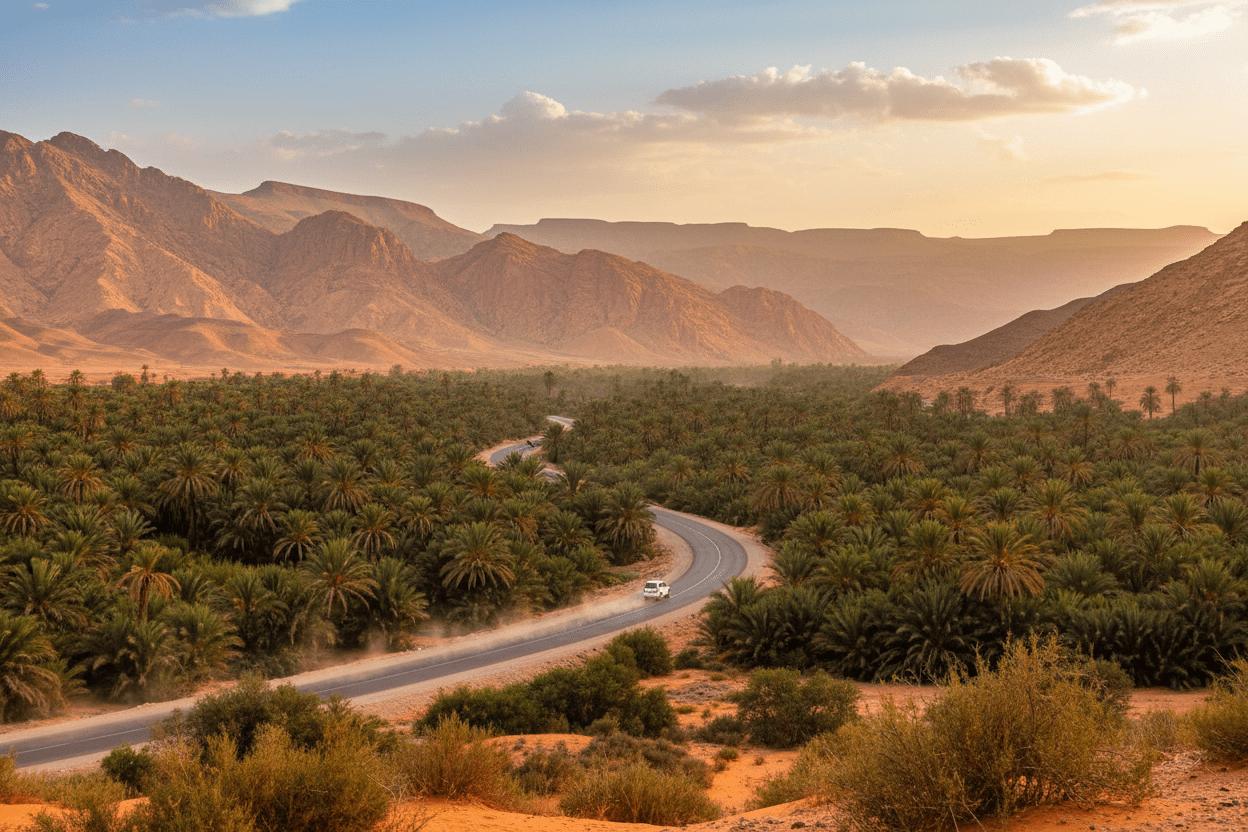
Depending on the route, travelers may experience cedar forests, the Ziz Valley, traditional villages, palm oases, kasbahs, gorges and mountain landscapes before reaching Merzouga.
That diversity is why a multi-day desert journey is often more rewarding than treating Merzouga as an isolated destination.
A Recommended Morocco Winter Itinerary
If you have approximately one week or more, consider building your winter itinerary around Morocco's changing landscapes.
You could begin in Marrakech before crossing the High Atlas Mountains toward Ait Ben Haddou and Ouarzazate.
Continue through southern valleys and gorges before reaching Merzouga for your Sahara experience.
From the desert, travel north through the Ziz Valley, Midelt, cedar forests and Ifrane before arriving in Fes.
Spend at least a full day exploring Fes before continuing north toward Chefchaouen.
Travelers with additional time can include Rabat, Casablanca, Tangier or Essaouira.
For a more comprehensive journey, the 9-Day Heart of Morocco private tour combines Marrakech, the High Atlas, Ait Ben Haddou, the Sahara, Fes, Chefchaouen, Rabat and Casablanca in one itinerary.
Travelers wanting even more time can choose longer routes that include additional destinations.
What to Pack for Morocco in Winter
Packing correctly is important because Morocco's winter climate varies significantly between regions.
Layers are the best strategy.
Bring lightweight clothing for comfortable daytime conditions together with warmer layers for mornings and evenings. A proper jacket becomes especially important if your itinerary includes Fes, Chefchaouen, the Atlas Mountains or the Sahara.
Comfortable walking shoes are essential for medinas, kasbahs and mountain stops.
For a winter Morocco trip, consider packing:
- A warm jacket
- Sweaters or fleece layers
- Long trousers
- Comfortable walking shoes
- Scarf
- Light rain jacket
- Sunglasses
- Sunscreen
- Hat or cap for sunny days
- Warm sleepwear for desert nights
- Small daypack
- Moisturizer and lip balm
Do not underestimate the Sahara at night. Desert temperatures can feel dramatically different after sunset.
Can You See Snow in Morocco?
Yes.
Snow is possible in several mountainous regions of Morocco during winter, particularly in the Middle Atlas and High Atlas.
Ifrane is perhaps the country's most famous winter destination and can receive substantial snowfall.
This creates one of the most interesting experiences for international visitors: seeing snow in the mountains and then continuing toward the Sahara Desert within the same journey.
The changing landscape is one of Morocco's greatest strengths as a travel destination.
Is Morocco Crowded During Winter?
Crowd levels vary by destination and travel dates.
Major destinations such as Marrakech and Fes remain active throughout the year, and the holiday period around Christmas and New Year can attract many international travelers.
Outside particularly popular dates, however, winter can offer a more relaxed atmosphere than some of the busiest travel periods.
That can mean easier sightseeing, calmer historic sites and a more comfortable pace when exploring cities.
It is still wise to reserve popular desert camps, private tours and preferred accommodations ahead of time if you are traveling during the Christmas and New Year period.
Winter Food Experiences in Morocco
Winter is also an excellent season for discovering Moroccan cuisine.
Few things feel better after exploring a medina on a cold morning than sitting down to a warm Moroccan meal.
Tagine is an obvious favorite, with varieties including chicken with preserved lemon, lamb with prunes and vegetable combinations.
Couscous remains another essential Moroccan dish, traditionally associated with Friday family meals.
Harira, a hearty Moroccan soup, is especially satisfying during cooler weather.
Mint tea remains part of the experience regardless of the season, but it becomes particularly welcome during winter evenings.
If you are spending time in Fes and want a more immersive culinary experience, consider joining a Fes cooking class and discovering Moroccan ingredients and cooking traditions firsthand.
Winter Day Trips from Fes
Travelers staying several nights in Fes do not necessarily need to change hotels every day.
The city can serve as a base for exploring surrounding destinations.
Depending on your interests, day trips can introduce you to imperial history, Roman heritage, mountain landscapes and northern Morocco.
Browse the available Fes day trips and private excursions when planning extra days around the city.
Combining several nights in Fes with a multi-day Sahara journey is particularly effective for travelers who want both cultural depth and landscape diversity.
Tips for Traveling to Morocco in Winter
Winter travel requires slightly different preparation from a summer trip.
Check conditions before long mountain journeys, particularly when crossing higher passes. Pack layers instead of assuming that Morocco will always be warm. Remember that traditional riads and desert accommodations can feel cooler during winter evenings.
Allow enough time for your itinerary as well.
Trying to combine Marrakech, Fes, Chefchaouen and the Sahara in only a few days usually means spending too much of the trip inside a vehicle.
Morocco rewards slower travel.
A three-, four- or five-day desert route generally allows travelers to appreciate the landscapes, villages and cultural stops between major destinations instead of rushing directly from one city to another.
Private tours can also be useful during winter because routes and stopping times can be adapted to weather, daylight and individual interests.
Frequently Asked Questions About Morocco in Winter
Is Morocco worth visiting in December?
Yes. December is an excellent month for travelers interested in cities, culture, mountain scenery and the Sahara. Days can be pleasant in many regions, although nights are colder.
Is Morocco cold in January?
January is one of Morocco's cooler months. Temperatures depend heavily on the region, with mountain destinations significantly colder than Marrakech, southern Morocco or the desert during the day.
Does it snow in Morocco?
Yes. Snow occurs in mountainous regions, particularly the Middle Atlas and High Atlas. Ifrane is especially famous for its winter snowfall.
Is Marrakech warm during winter?
Marrakech often experiences comfortable daytime weather during winter, but mornings, evenings and nights can be considerably cooler. Packing layers is recommended.
Is the Sahara Desert cold during winter?
The Sahara can be pleasant during the day but cold at night. Travelers staying in a desert camp should bring warm clothing.
Can I visit Merzouga in December or January?
Yes. Winter is a popular period for exploring Merzouga and Erg Chebbi because daytime temperatures are generally more comfortable for desert activities than during very hot summer periods.
What is the best winter month to visit Morocco?
There is no single best month. December is attractive for holiday travel, January offers a true winter atmosphere, and February begins moving toward milder spring conditions. The right month depends on your route and preferred experiences.
How many days do I need in Morocco?
Seven to ten days allows you to combine several major destinations without rushing excessively. Travelers wanting a more complete journey through imperial cities, the Sahara, mountains and northern Morocco should consider ten days or longer.
Discover Morocco This Winter
Winter reveals a side of Morocco that many travelers never expect.
Snow can cover the Atlas Mountains while golden dunes stretch across the Sahara. Fes offers centuries of history behind its medina walls, Marrakech remains full of energy, Chefchaouen brings color to the Rif Mountains, and Merzouga provides unforgettable sunsets and nights beneath the desert sky.
Most importantly, winter demonstrates Morocco's extraordinary diversity.
Within one journey, you can move between imperial cities, cedar forests, snowy mountains, palm-filled valleys, ancient kasbahs and enormous desert dunes.
Whether you are planning your first trip to Morocco or returning to discover a different side of the country, December, January and February offer countless possibilities.
Fes Morocco Tours organizes private journeys from Fes, Marrakech, Casablanca and Tangier, with itineraries ranging from short Sahara experiences to complete multi-day tours across Morocco.
Explore our Morocco Desert Tours or contact Fes Morocco Tours to start planning a private winter journey through Morocco.