Fes is often called the culinary capital of Morocco. Its families are famous for refined recipes such as pastilla, slow-cooked tagines and delicate pastries. The best way to discover this tradition is not only to eat it, but to cook it yourself in a Fes cooking class.
This guide explains what happens during a typical class, the dishes you might prepare and how to choose the right experience for you.
Why Take a Cooking Class in Fes?
- You learn real family recipes, not tourist versions.
- You discover Moroccan spices and how to use them.
- You visit a local market with someone who knows it well.
- You eat a delicious meal that you prepared.
- You take home skills and recipes to cook for friends.
It is also a lovely break from sightseeing, especially on a hot afternoon or a rainy day.
What Happens During a Cooking Class
1. Welcome and mint tea
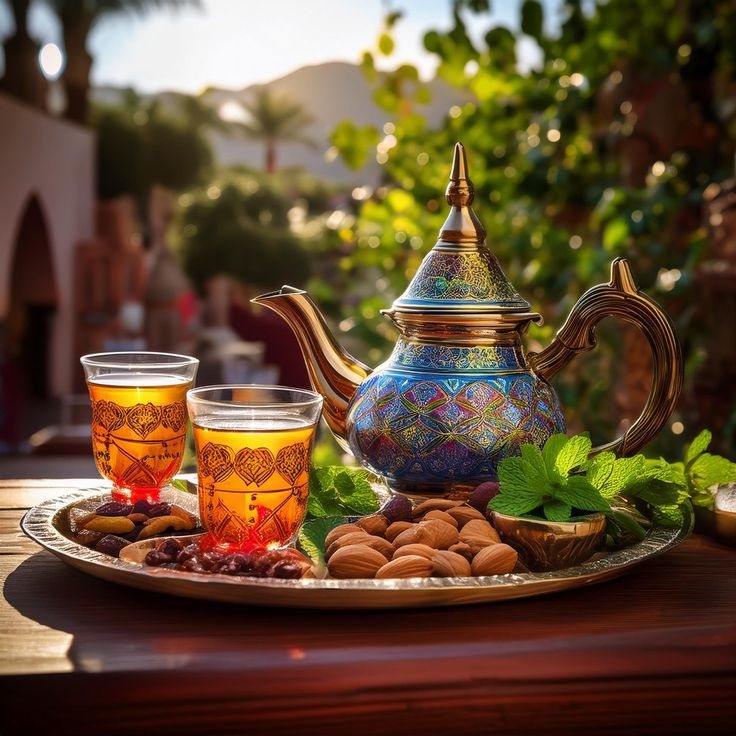
Most classes start in a riad or a traditional home with a glass of mint tea and an introduction to the menu.
2. Market visit
Many classes include a walk through a local market. You see fresh vegetables, herbs, olives, preserved lemons, spices and bread, and learn how locals choose their ingredients. It is a great opportunity to ask questions and take photos.
3. Learning the spices
Moroccan cooking uses spices such as cumin, paprika, ginger, turmeric, cinnamon, saffron and the famous blend ras el hanout. Your teacher shows you how they are combined and why each dish needs a different balance.
4. Hands-on cooking
You chop, mix, season and cook under the guidance of a local cook. Classes are usually relaxed and suitable for beginners.
5. Eating together
The class ends with a shared meal of the dishes you prepared, often on a terrace or in a beautiful courtyard.
Dishes You Might Cook
Menus change with the season and the class, but common dishes include:
- Chicken tagine with preserved lemon and olives, a classic of Fassi cuisine.
- Kefta tagine with tomato sauce and eggs.
- Vegetable tagine for vegetarians.
- Moroccan salads such as zaalouk (aubergine) and taktouka (peppers and tomato).
- Couscous, especially on Fridays.
- Harira soup.
- Pastilla, in some advanced classes.
- Moroccan mint tea and simple sweets.
Discover more traditional dishes in our guide to 20 Moroccan dishes you must try.
How Long Does a Class Last?
Most classes last between 3 and 5 hours, including the market visit and the meal. Morning classes usually end with lunch, while afternoon classes may end with an early dinner.
Is a Cooking Class Suitable for Everyone?
Yes. No cooking experience is needed. Classes are suitable for couples, families with children, solo travellers and groups. Vegetarian, vegan and many allergy needs can usually be adapted if you mention them when booking.
How to Choose the Right Class
- Private or group: private classes are more flexible and personal; group classes are more social.
- Market visit included? It adds a lot to the experience.
- Menu: check which dishes you will cook.
- Location: a riad in the medina gives a more authentic atmosphere.
- Recipes to take home: ask whether recipes are provided.
Tips for Your Class
- Come hungry.
- Wear comfortable clothes you do not mind getting a little dirty.
- Bring your phone or a notebook to write notes.
- Buy spices at the market during the class so you can repeat the recipes at home.
Combine Your Class With Other Experiences
A cooking class pairs perfectly with a guided medina tour in the morning or a relaxing hammam and spa in Fes in the evening. See all our activities in Fes.
Frequently Asked Questions
Do I need cooking experience?
No. Classes are designed for beginners and food lovers of all levels.
Can vegetarians join?
Yes. Vegetable tagines, salads and couscous are easy to adapt.
Can children take part?
Yes, most classes welcome children, who usually love mixing and shaping dishes.
Will I get the recipes?
Many classes give recipes to take home. Ask when booking.
Book Your Cooking Class in Fes
Learn to cook like a Fassi family and enjoy a meal you will never forget. Discover our Fes cooking class or contact Fes Morocco Tours to book your experience.