Fes is one of Morocco’s most fascinating destinations, a city where centuries-old traditions, intricate architecture, colorful souks, and everyday Moroccan life come together inside one of the world's most remarkable historic cities.
For travelers planning their first trip to Morocco, Fes offers something very different from modern resort destinations. The experience centers on exploring narrow streets, discovering traditional craftsmanship, tasting Moroccan cuisine, visiting historic monuments, and getting to know a city whose cultural heritage remains an important part of daily life.
This Fes Morocco travel guide covers what you need to know before visiting, including the best time to visit Fes, how many days to spend in the city, where to stay, what to eat, transportation, practical travel tips, and ideas for exploring beyond Fes.
Why Visit Fes, Morocco?
Fes, also spelled Fez, is one of Morocco's four historic imperial cities, alongside Marrakech, Meknes, and Rabat.
The city is especially famous for Fes el-Bali, its historic medina. Walking through the old city can feel like entering another era. Instead of wide streets filled with cars, visitors encounter narrow passages lined with traditional shops, workshops, food stalls, mosques, fountains, riads, and historic buildings.
Artisans continue to practice crafts that have been associated with Fes for generations. Leather workers, metalworkers, woodcarvers, ceramic makers, tailors, and other craftspeople can be found throughout the medina.
For travelers interested in history and culture, Fes is therefore much more than a sightseeing stop.
It is a destination to experience slowly.
Where Is Fes?
Fes is located in northern inland Morocco and is well connected to several of the country's major destinations.
Travelers often include Fes as part of a larger Morocco itinerary combining cities such as Casablanca, Rabat, Chefchaouen, Meknes, Marrakech, and destinations around the Sahara Desert.
The city also has Fes-Saïss Airport, providing another option for travelers arriving directly in the region.
Its location makes Fes an excellent base for exploring northern and central Morocco before continuing toward the desert or other imperial cities.
Best Time to Visit Fes
Choosing the best time to visit Fes Morocco can make a significant difference to your experience.
Spring: March to May
Spring is a popular period for exploring Fes.
Temperatures are generally more comfortable for walking through the medina, visiting monuments, and taking day trips outside the city. The surrounding countryside can also be particularly attractive during this season.
Because much of a visit to Fes involves walking, moderate weather is a major advantage.
Autumn: September to November
Autumn is another excellent period to consider.
After the hottest part of summer, temperatures usually become more suitable for long days of sightseeing. Travelers can spend more time exploring outdoor attractions without dealing with peak summer heat.
Summer: June to August
Fes can become very hot during summer.
Travel is still possible, but visitors should plan accordingly. Starting sightseeing earlier in the morning, taking breaks during the hottest part of the afternoon, drinking plenty of water, and choosing accommodation with air conditioning can make the trip more comfortable.
Winter: December to February
Winter can bring cooler temperatures, particularly in the morning and evening.
Visitors traveling during this period should pack layers and check weather conditions before their trip.
How Many Days Do You Need in Fes?
For most first-time visitors, two to three full days in Fes provides enough time to discover the major attractions without rushing.
With two days, you can focus primarily on the medina and the city's most important historical sites.
Three days gives you more flexibility. You can explore Fes at a slower pace, spend additional time shopping or trying local food, and potentially take a nearby excursion.
Travelers using Fes as the starting point for a longer Morocco tour may want to add additional days for trips toward Chefchaouen, Meknes, Volubilis, or the Sahara.
Explore Fes el-Bali
The heart of a visit to Fes is Fes el-Bali, the historic medina.
This enormous pedestrian area is filled with winding streets and passages. Getting slightly lost is almost part of the experience.
Around one corner you might find a small bakery.
Around another, a craftsman may be shaping metal by hand.
Continue walking and you could arrive at an ornate historic building, a busy market, or a quiet residential lane.
Rather than trying to see everything quickly, allow time to observe the details.
Look at the decorated doors, carved wood, colorful tiles, fountains, workshops, and architectural details that make the medina unique.
Enter Through Bab Boujloud
Bab Boujloud, often called the Blue Gate, is one of the most recognizable landmarks in Fes.
For many visitors, it serves as an introduction to the old medina.
The surrounding area contains restaurants, cafés, shops, and busy streets leading deeper into Fes el-Bali.
It is also a useful meeting point when exploring the city.
Visiting earlier in the morning can provide a different atmosphere from the busier periods later in the day.
Discover Al-Qarawiyyin
One of the most historically significant places in Fes is Al-Qarawiyyin.
Founded in the ninth century, the institution has played an important role in the intellectual and religious history of the city.
The surrounding quarter is also worth exploring because it contains beautiful examples of traditional Moroccan and Islamic architecture.
Access to religious spaces can be restricted for non-Muslim visitors, so travelers should respect local rules and appreciate permitted areas from appropriate viewpoints.
Visit the Bou Inania Madrasa
The Bou Inania Madrasa is among the architectural highlights of Fes.
Its design showcases craftsmanship associated with historic Moroccan architecture, including detailed tilework, carved plaster, geometric decoration, and woodwork.
For travelers interested in photography, architecture, or Moroccan history, this is an important stop while exploring the medina.
See the Famous Chouara Tanneries
No Fes travel guide would be complete without mentioning the city's famous leather tanneries.
The Chouara Tanneries are among the best-known attractions in Fes.
From terraces overlooking the tannery, visitors can see numerous stone vessels used in the traditional leather-working process.
The view is one of the most distinctive images associated with Fes.
The area surrounding the tanneries is also filled with leather shops selling bags, jackets, slippers, belts, and other goods.
If you plan to purchase leather products, take time to compare quality and prices before making a decision.
Discover Traditional Moroccan Crafts
Fes has a long reputation as a center for craftsmanship.
While walking through the medina, travelers can encounter workshops producing ceramics, leather goods, metal objects, textiles, wooden items, and traditional Moroccan decoration.
Watching artisans at work provides another perspective on the city's cultural heritage.
Moroccan ceramics are particularly popular with visitors. Bowls, plates, tagines, decorative pieces, and traditional patterns can make attractive souvenirs.
When purchasing fragile items, ask whether secure packaging is available for travel.
What to Eat in Fes
Food is an essential part of traveling in Morocco, and Fes provides plenty of opportunities to discover traditional dishes.
Tagine
Tagine is one of Morocco's most recognizable dishes.
Different versions combine meat, chicken, vegetables, preserved lemon, olives, spices, or dried fruits and are slowly cooked to develop rich flavors.
Couscous
Couscous is deeply associated with Moroccan cuisine and is traditionally served with vegetables and meat in many households and restaurants.
Pastilla
Fes is particularly associated with pastilla, a dish combining sweet and savory flavors inside thin pastry.
Traditional versions can include poultry, spices, almonds, cinnamon, and sugar.
Moroccan Mint Tea
Mint tea is found almost everywhere in Morocco.
It is more than simply a drink and is closely connected with Moroccan hospitality and social life.
Taking a break for tea on a terrace can also be a pleasant way to rest after walking through the medina.
Where to Stay in Fes
One of the biggest decisions when planning a trip is choosing between staying inside the medina or in the newer parts of the city.
Staying in Fes Medina
For atmosphere and history, staying in a traditional riad in Fes Medina can be an excellent choice.
Riads are traditional Moroccan houses organized around an interior courtyard. Many historic properties have been converted into guesthouses or boutique accommodation.
Staying inside the medina places you close to many major attractions.
However, cars generally cannot access much of the old city, so travelers with heavy luggage should check how they will reach their accommodation.
Staying in Ville Nouvelle
Travelers who prefer easier vehicle access, wider streets, and more modern surroundings may choose accommodation in the newer city.
Taxis can then be used to reach entrances to the medina.
Both options can work well. The best choice depends on whether you prioritize historic atmosphere or modern convenience.
Getting Around Fes
Walking is the primary way to explore Fes el-Bali.
Many streets inside the medina are too narrow for cars, which is one reason the area has preserved its distinctive atmosphere.
Outside the medina, taxis are commonly used for getting around the city.
If you are traveling between your hotel, airport, railway station, or another destination, confirm transportation arrangements and prices beforehand whenever appropriate.
For first-time visitors, exploring the medina with a knowledgeable local guide can also be helpful.
The maze-like layout means a guide can help travelers understand what they are seeing rather than simply moving between attractions.
What to Wear in Fes
Morocco receives visitors from around the world, but Fes remains a relatively traditional city.
Comfortable, modest clothing is a practical choice.
Lightweight clothing works well during warmer months, while layers are useful during cooler seasons.
Comfortable walking shoes are particularly important because medina streets can be uneven and a typical sightseeing day may involve considerable walking.
A small day bag, reusable water bottle, sunglasses, and sun protection can also be useful.
Shopping in Fes Medina
Shopping in the souks is part of the experience.
Visitors can find leather goods, ceramics, carpets, textiles, spices, jewelry, lamps, traditional clothing, and decorative objects.
Prices are not always fixed in traditional markets, and bargaining may be part of the purchasing process.
Take your time and only negotiate when you are genuinely interested in buying.
For more expensive purchases such as carpets or high-quality leather products, compare several options and ask questions about materials and production.
Day Trips From Fes
Fes can also serve as a base for discovering other Moroccan destinations.
Meknes
Meknes is another imperial city and can be combined with nearby historical attractions.
It offers travelers another perspective on Morocco's royal and architectural heritage.
Volubilis
The archaeological site of Volubilis contains extensive Roman ruins and is one of the most significant ancient sites in Morocco.
Travelers interested in history often combine Volubilis and Meknes in the same excursion.
Chefchaouen
Known for its blue-painted streets and buildings, Chefchaouen is one of northern Morocco's most photographed destinations.
The journey from Fes makes it possible to visit as a day trip, although staying overnight provides more time to enjoy the town at a relaxed pace.
Traveling From Fes to the Sahara Desert
One of the most memorable ways to continue a Morocco itinerary is traveling from Fes to the Sahara Desert.
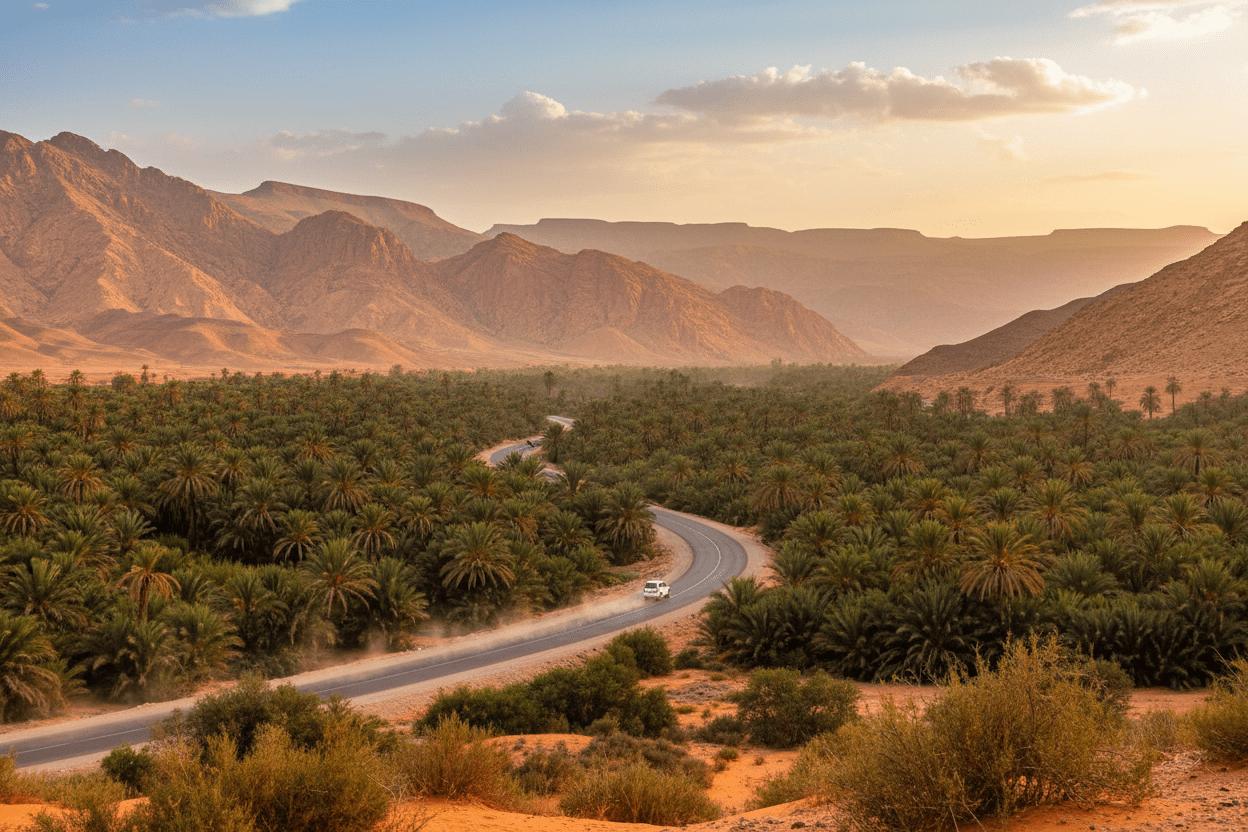
The journey toward the desert takes travelers through dramatically changing landscapes before reaching areas around Merzouga and the Erg Chebbi dunes.
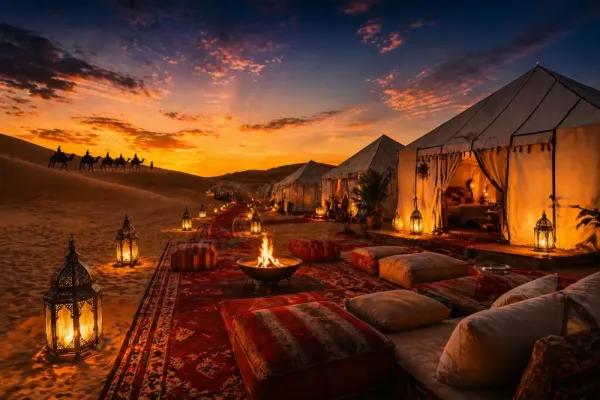
Multi-day desert tours can include scenic stops, camel rides, desert camps, traditional meals, and nights beneath the desert sky.
Rather than attempting to make the journey too quickly, allowing several days provides more time to appreciate the destinations between Fes and the Sahara.
A desert trip can also connect Fes with Marrakech, making it an interesting option for travelers who want to see several regions of Morocco without returning along the same route.
Practical Tips for Visiting Fes
A few preparations can make exploring Fes easier.
Download an offline map before entering the medina, but remember that navigation apps may not always perfectly understand its narrow passages.
Carry some Moroccan dirhams for smaller purchases, cafés, markets, and situations where cards are not accepted.
Ask permission before taking close-up photographs of people or artisans.
Keep valuables secure in crowded areas, as you would in any busy tourist destination.
Most importantly, leave some flexibility in your schedule.
Fes rewards travelers who have time to explore rather than simply checking attractions off a list.
Is Fes Worth Visiting?
For travelers interested in Moroccan history, architecture, traditional crafts, food, and culture, Fes can be one of the highlights of a trip to Morocco.
Its medina provides an experience that is difficult to reproduce elsewhere.
You can begin the morning beside centuries-old architecture, walk through active craft workshops, eat traditional Moroccan food for lunch, shop in historic souks in the afternoon, and finish the day watching the city from a rooftop terrace.
Fes is not simply a collection of monuments.
Its attraction comes from the combination of history and living culture.
Plan Your Fes Morocco Experience
Whether Fes is the first destination on your Morocco itinerary or one stop during a longer journey, taking time to explore the city provides a deeper introduction to Moroccan heritage.
Spend time walking through Fes el-Bali, admire the city's historic architecture, discover traditional craftsmanship, sample Moroccan cuisine, and explore destinations beyond the city.
From the narrow streets of the ancient medina to the landscapes leading toward the Sahara, Fes provides an ideal starting point for discovering some of Morocco's most memorable experiences.
If you are planning a trip, consider combining your stay in Fes with a guided Fes tour, Morocco desert tour, Chefchaouen excursion, or multi-day journey from Fes to Marrakech through the Sahara.
A well-planned itinerary allows you to experience not only the famous sights but also the culture, landscapes, traditions, and hospitality that make Morocco such a distinctive destination.