One of the most common questions travellers ask before visiting Morocco is simple: is Morocco safe for tourists?
Millions of visitors travel to Morocco every year to explore the medinas of Fes and Marrakech, the blue streets of Chefchaouen, the Atlas Mountains and the Sahara Desert. Most return home with wonderful memories and stories of warm hospitality.
Like any destination, Morocco has its own challenges, such as crowded medinas, persistent sellers and occasional petty theft. With a little preparation and common sense, these are easy to manage. This guide shares practical safety tips to help you travel with confidence.
Is Morocco Safe to Visit?
Morocco is generally considered a welcoming destination for international travellers. Tourism is an important part of the economy, and major tourist areas are used to receiving visitors from all over the world.
The most common problems tourists face are not dangerous situations but small annoyances: being followed by unofficial guides, overpaying in a shop, or getting lost in the medina. Knowing what to expect makes these situations much easier to handle.
Before travelling, it is always a good idea to check the latest travel advice published by your own government.
Safety in the Medinas
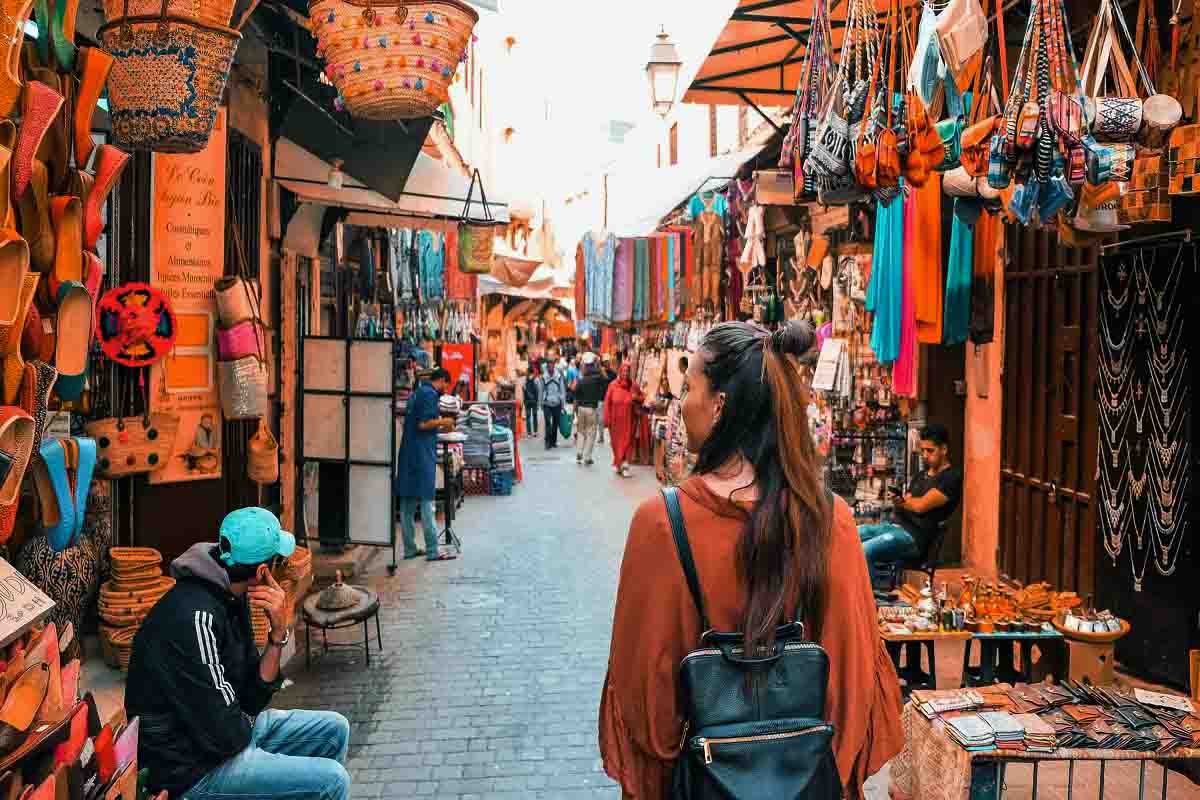
Historic medinas such as Fes el-Bali and the Marrakech medina are busy, crowded and full of narrow streets. They are fascinating to explore, but they require a little attention.
- Keep valuables secure. Use a crossbody bag that closes properly and keep your phone and wallet in front of you in crowded areas.
- Do not display large amounts of cash. Keep small notes for daily purchases separate from the rest of your money.
- Download an offline map. GPS can be imprecise in narrow streets, but it still helps you understand your general direction.
- Listen for "balak". It means watch out and is used when a cart or donkey needs to pass. Step aside quickly.
- Explore after dark with care. Main streets stay lively in the evening, but quiet alleys can be confusing at night. Stay on busier routes or ask your riad for directions.
Common Scams and How to Avoid Them
Unofficial Guides
Someone may approach you saying a street is closed, a monument is shut, or that they will show you the way for free. They often lead tourists to shops where they earn a commission, then ask for money.
How to avoid it: Smile, say "la, shukran" (no, thank you) and keep walking. If you want a guide, book an official licensed guide through your riad, hotel or a registered tour company.
Inflated Prices
Prices in souks are not fixed. Compare a few shops before buying and agree on the price before you pay. Read our guide on shopping and bargaining in the Fes Medina for useful tips.
Henna and Photo Requests
In busy squares, someone may start a henna drawing on your hand or put an animal on your shoulder for a photo, then ask for payment. Politely decline if you are not interested, and agree on the price first if you are.
Taxi Fares
In cities, ask the driver to use the meter in a petit taxi, or agree on the fare before the journey. Your riad or hotel can tell you the normal price for common routes.
Transport Safety
- Trains between major cities are comfortable and widely used by travellers.
- Long-distance buses are an economical option. Keep your valuables with you rather than in the luggage hold.
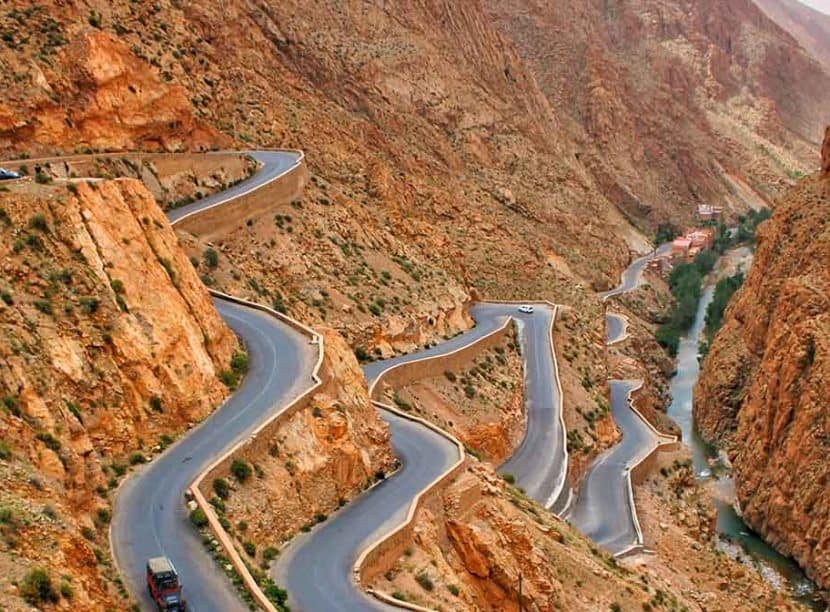
- Driving is possible with a rental car, but mountain roads can be winding and night driving is best avoided.
- Private tours with an experienced local driver are often the most comfortable option for long routes, especially between Fes, the Sahara and Marrakech.
Safety in the Sahara and the Mountains
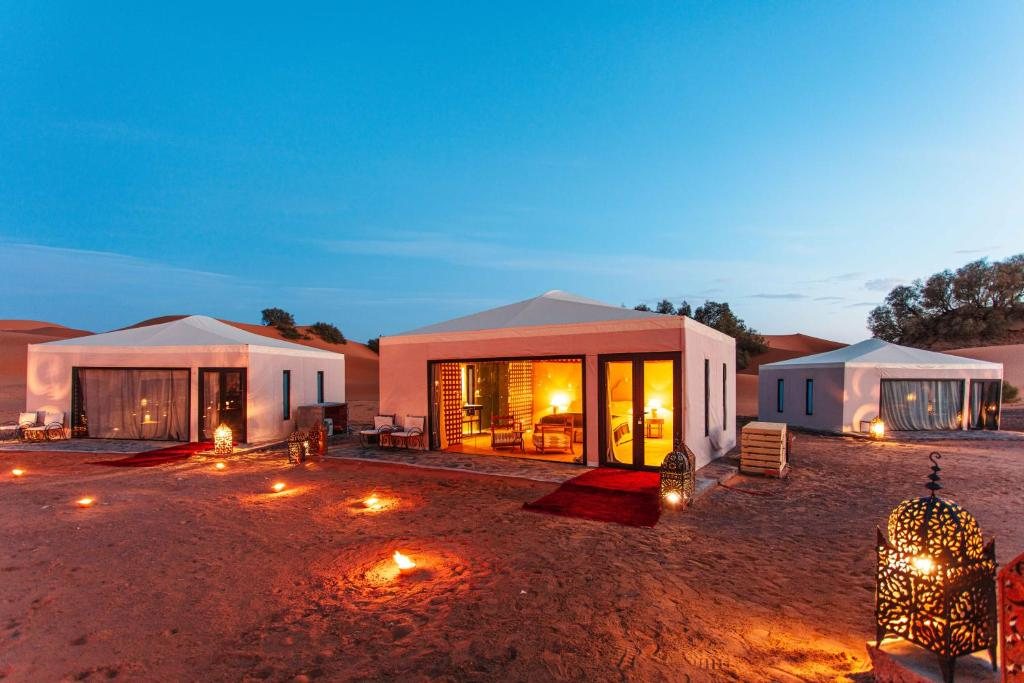
- Travel with an experienced tour operator or local guide in desert areas.
- Never wander alone into the dunes, especially at night. It is easy to lose your sense of direction.
- Drink plenty of water, wear a hat and use sunscreen, even in winter.
- Bring warm clothes for desert nights, which can be very cold.
- In the Atlas Mountains, check the weather before hiking and use a qualified mountain guide for longer treks.
Tips for Solo and Female Travellers
Many women travel in Morocco, alone or in groups. Some may experience unwanted comments or attention in busy areas. A few simple habits can help:
- Dress comfortably and modestly, covering shoulders and knees in traditional areas.
- Walk confidently and avoid engaging with persistent strangers.
- Choose well-reviewed accommodation and ask staff for local advice.
- Share your itinerary with someone you trust.
- Consider a private guided tour for your first day in a large medina.
Clothing cannot guarantee freedom from unwanted attention, but respecting local customs often makes interactions easier. See our guide on what to wear in Morocco.
Health and Food Safety
- Drink bottled or properly filtered water.
- Eat at busy restaurants and food stalls where food is cooked fresh.
- Wash your hands or use hand sanitiser before eating.
- Bring basic medicines for stomach upsets, as changes in diet are common when travelling.
- Have good travel insurance that covers medical care.
Useful Emergency Numbers in Morocco
- Police (in cities): 19
- Gendarmerie (outside cities): 177
- Ambulance and fire services: 15
Save your accommodation's phone number and your country's embassy contact details on your phone before you travel.
Respect Local Customs
Respecting local traditions also helps you travel more safely and comfortably:
- Ask permission before photographing people.
- Respect religious sites and follow access rules for mosques.
- Be discreet with public displays of affection.
- During Ramadan, avoid eating and drinking in public during the day out of respect for people who are fasting.
Frequently Asked Questions
Is Morocco safe for first-time visitors?
Yes, with normal precautions. Many first-time visitors choose a private tour or a local guide for the first days to feel more confident.
Is Fes safe for tourists?
Fes welcomes many visitors every day. The main issues are getting lost in the medina and unofficial guides. Using a licensed guide solves both.
Is it safe to travel to the Sahara Desert?
Desert tours to Merzouga operate throughout the year. Travel with a reliable operator, follow the camp staff's advice and prepare for heat and cold.
Is Morocco safe for families?
Yes. Many families visit Morocco, and private tours make it easier to adapt the pace and stops to children's needs.
Travel Morocco With Confidence
With a little preparation, Morocco is an easy and rewarding country to explore. Stay alert in crowded places, use official guides, agree on prices before paying and respect local customs. Most importantly, stay open to the hospitality that makes Morocco so memorable.
If you would like to explore with local support, Fes Morocco Tours offers private guided tours of Fes, day trips from Fes and Sahara desert tours with experienced local drivers and guides. Contact us to plan your trip.