Planning a trip to Morocco is exciting, but one question often comes up before departure: What should I wear in Morocco?
From the ancient streets of Fes to the colorful markets of Marrakech, the golden dunes of the Sahara Desert, and the cool mountain landscapes of the Atlas Mountains, Morocco offers an incredible variety of experiences. However, its changing climate, cultural traditions, and different travel activities can make packing a little challenging.
The good news is that dressing comfortably and respectfully in Morocco is easier than you might think.
Whether you're visiting Morocco for the first time, planning a cultural tour, or preparing for a Sahara Desert adventure, this complete Morocco packing guide will help you choose the right clothing, footwear, and travel essentials for your journey.
1. Understanding Morocco's Climate Before You Pack
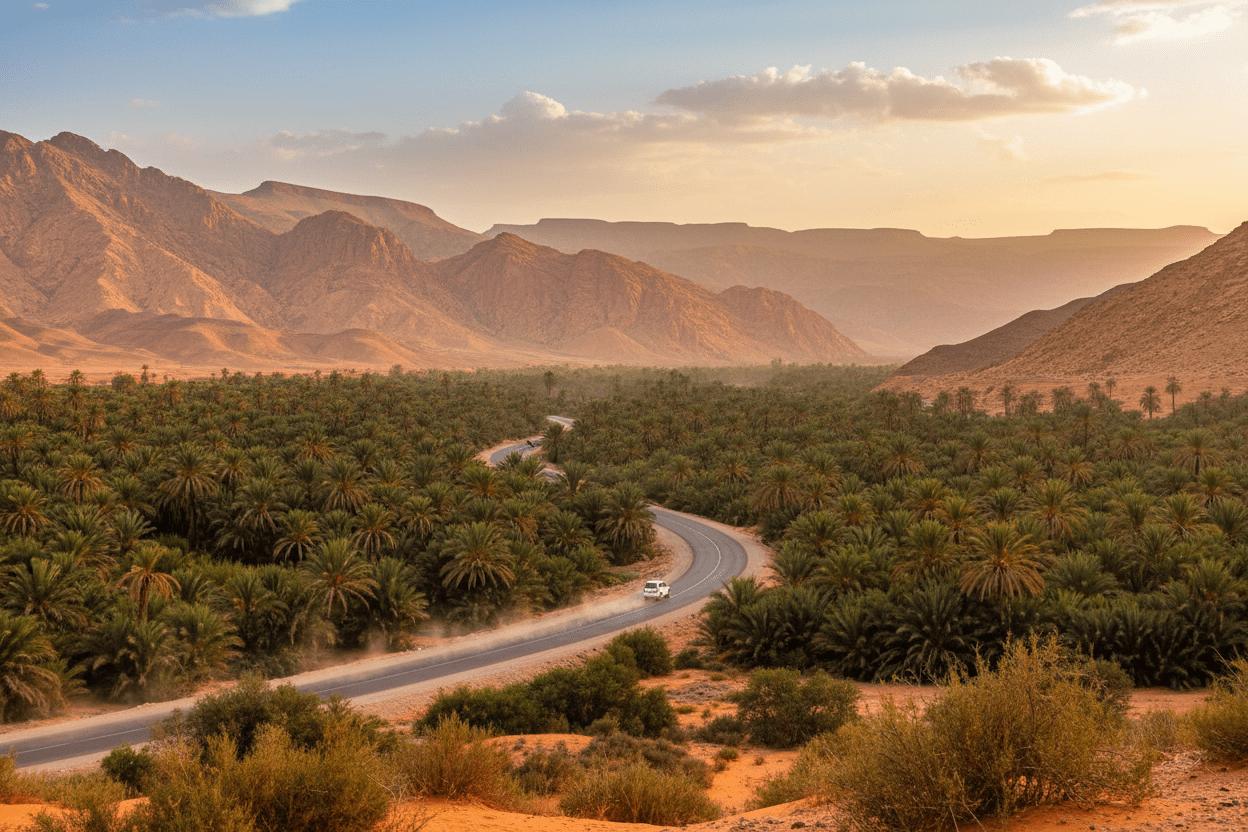
Morocco has a diverse climate that varies significantly depending on the region and time of year.
Coastal destinations such as Casablanca, Rabat, and Essaouira generally experience milder temperatures thanks to the Atlantic Ocean.
Inland cities such as Fes and Marrakech can become very hot during summer, while winter mornings and evenings can be surprisingly cold.
The Atlas Mountains experience cooler temperatures, with snow possible at higher elevations during winter.
Meanwhile, the Sahara Desert is famous for its intense sunshine, but temperatures can drop significantly after sunset, especially during colder months.
For this reason, the best way to pack for Morocco is to bring versatile clothing that can be layered.
Rather than filling your suitcase with heavy outfits, focus on lightweight, breathable fabrics, comfortable walking shoes, and a few warmer items.
2. Is There a Dress Code in Morocco?
Morocco is a Muslim-majority country with a rich cultural heritage. Clothing styles vary between cities, rural communities, tourist areas, and individual preferences.
There is no single dress code that applies to all tourists in everyday public spaces.
In major tourist destinations, visitors wear a wide range of clothing, including jeans, dresses, shorts, T-shirts, and casual outfits.
However, choosing modest clothing can help travelers feel more comfortable, particularly in traditional medinas, smaller villages, and religious surroundings.
What Should Women Wear in Morocco?
Women visiting Morocco can comfortably wear loose trousers, maxi dresses, long skirts, blouses, and lightweight shirts.
Clothing that covers the shoulders and knees is often a practical choice when exploring traditional neighborhoods.
A lightweight scarf is a useful accessory for sun protection, cooler evenings, and situations where additional coverage is preferred.
Female tourists are not generally required to cover their hair while sightseeing in Morocco.
What Should Men Wear in Morocco?
Men can wear comfortable trousers, jeans, chinos, polo shirts, and T-shirts.
Shorts are common in many tourist areas, especially during warmer weather. Longer shorts or lightweight trousers may feel more appropriate in conservative settings.
For both men and women, comfort, weather protection, and respect for local customs are the most important considerations.
3. What to Wear in Fes, Morocco
Fes is one of Morocco's most historic cities and an essential destination for travelers interested in architecture, craftsmanship, and cultural heritage.
Its famous medina, Fes el Bali, contains thousands of narrow streets, traditional markets, historic monuments, and artisan workshops.
Exploring this fascinating environment often involves several hours of walking.
Recommended Clothing for Fes
Lightweight trousers or comfortable jeans are excellent choices for exploring the medina.
Pair them with breathable cotton or linen shirts, casual tops, or long-sleeved blouses.
During summer, loose-fitting clothing helps improve comfort in the heat.
In winter, a jacket or sweater is important because temperatures can become chilly, especially in the morning and evening.
Best Shoes for Exploring Fes Medina
Comfortable walking shoes are one of the most important items to pack for Fes.
Many streets in the old medina are uneven, narrow, and sometimes slippery.
Supportive sneakers or comfortable closed-toe walking shoes are generally preferable to high heels or delicate sandals.
If you're joining a guided walking tour of Fes, prioritize footwear that provides good grip and support.
Travel tip: Carry a small backpack or crossbody bag for water, sunglasses, sunscreen, and your phone.
4. What to Wear in Marrakech
Marrakech is known for its lively souks, historic palaces, beautiful gardens, and bustling Jemaa el-Fnaa square.
Because of its inland location, the city can experience intense summer heat.
During the warmer months, lightweight clothing made from breathable materials is ideal.
Loose linen trousers, cotton dresses, T-shirts, and comfortable sandals can work well for sightseeing.
A wide-brimmed hat and sunglasses are particularly useful when exploring outdoor attractions.
In winter, mornings and evenings can be cool, so bringing a light jacket or sweater is recommended.
If you're visiting traditional neighborhoods or cultural sites, modest casual clothing is a practical option.
For evenings at restaurants or riads, smart-casual clothing is generally suitable.
5. What to Wear in the Sahara Desert
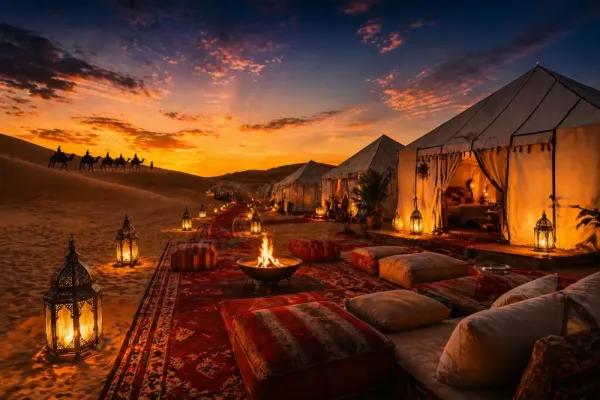
A Sahara Desert adventure is one of the most unforgettable experiences you can have in Morocco.
Whether you're traveling from Fes to Merzouga, enjoying a camel trek, or spending the night in a desert camp, choosing the right clothing can make a significant difference.
The desert environment presents several challenges, including strong sunlight, dry air, sand, and changing temperatures.
Daytime Desert Clothing
During the day, choose loose, breathable clothing that protects your skin from direct sunlight.
Lightweight long trousers and long-sleeved shirts are particularly useful.
A scarf or cheche can help protect your head and face from windblown sand.
Sunglasses and high-SPF sunscreen are essential for outdoor activities.
What to Wear for Camel Trekking
Comfortable trousers are generally better than shorts for camel trekking because they help reduce friction and protect your legs.
Closed-toe shoes or secure footwear are recommended for walking around sandy and rocky areas.
Avoid bringing delicate clothing that could easily be damaged by sand or dust.
What to Wear at Night in the Sahara
One of the biggest surprises for first-time desert visitors is how cold the evenings can become.
During autumn and winter, nighttime temperatures may drop considerably.
Pack a warm sweater, fleece, insulated jacket, and comfortable trousers.
In colder months, thermal layers, warm socks, and a hat can make overnight camping more comfortable.
Travel tip: If you're booking a desert camp, ask whether blankets and heating are provided, as facilities vary.
6. What to Wear in Chefchaouen
Chefchaouen, Morocco's famous Blue City, is located in the Rif Mountains.
Its picturesque streets, colorful doors, and mountain scenery make it a popular destination for photographers and travelers.
Because of its elevation, Chefchaouen can be cooler than some inland cities, especially during winter.
For sightseeing, comfortable walking shoes are essential because the medina includes slopes, steps, and uneven surfaces.
In spring and autumn, lightweight layers are usually a good choice.
During summer, breathable clothing and sun protection are recommended.
In winter, bring a warm jacket and consider a waterproof outer layer because rain is possible.
If you're planning to hike in the surrounding mountains, pack suitable hiking shoes and weather-appropriate clothing.
7. What to Wear in Morocco During Spring
Spring, generally from March to May, is one of the most pleasant periods for exploring Morocco.
Many regions experience mild daytime temperatures, although conditions vary by destination.
For a spring trip, pack a mixture of lightweight and warmer clothing.
Recommended items include cotton shirts, long trousers, comfortable dresses, a light sweater, and a jacket.
A compact rain jacket may also be useful, particularly in northern Morocco and mountainous regions.
Spring is an excellent season for exploring Fes, visiting historical attractions, and enjoying countryside excursions.
However, if your itinerary includes the Atlas Mountains or the Sahara Desert, additional warm layers may still be necessary.
8. What to Wear in Morocco During Summer
Summer, from June to August, can be extremely hot in inland destinations such as Fes and Marrakech.
When packing for Morocco in summer, focus on breathable fabrics and protection from the sun.
Linen, cotton, and lightweight moisture-wicking materials are practical choices.
Loose-fitting trousers, airy dresses, comfortable shirts, and lightweight tops help reduce discomfort.
Bring a sun hat, sunglasses, and sunscreen.
Avoid relying exclusively on sleeveless tops or very short clothing, especially if your itinerary includes traditional medinas and rural communities.
Even during summer, a light layer can be useful for air-conditioned transportation or cooler coastal evenings.
If possible, plan outdoor sightseeing for the morning and late afternoon, taking breaks during the hottest part of the day.
9. What to Wear in Morocco During Autumn
Autumn, from September to November, is another excellent season for traveling around Morocco.
Early autumn can remain quite warm, while temperatures gradually become cooler toward November.
Pack lightweight daytime clothing along with a sweater or jacket for evenings.
Comfortable trousers, long-sleeved shirts, and walking shoes are useful for most city tours.
If you're planning a Sahara Desert excursion, bring warmer layers for nighttime.
Autumn weather can vary significantly between the coast, inland cities, and mountains, so checking the forecast for each destination is recommended.
10. What to Wear in Morocco During Winter
Many travelers imagine Morocco as a permanently hot destination, but winter can be surprisingly cold.
From December to February, Fes may experience chilly mornings, cold nights, and periods of rain.
The Atlas Mountains can receive significant snowfall, while the Sahara Desert may experience cold nighttime conditions.
For winter travel, bring a warm jacket, sweaters, long trousers, and closed-toe shoes.
A waterproof jacket or compact umbrella can be useful in northern cities.
If you're visiting the mountains, thermal clothing, gloves, and appropriate winter footwear may be necessary.
Layering is especially important because temperatures can change throughout the day.
11. What Shoes Should You Pack for Morocco?
Choosing the right footwear is essential for enjoying your trip.
Morocco's historic medinas often feature cobblestones, steps, uneven pathways, and busy pedestrian streets.
For most travelers, a comfortable pair of walking shoes should be the priority.
Sneakers with good support are suitable for exploring Fes, Marrakech, Meknes, and Chefchaouen.
Sandals can be useful in warmer weather, particularly for relaxing at your accommodation.
If your itinerary includes hiking in the Atlas Mountains, bring proper hiking shoes or boots.
For Sahara Desert excursions, closed-toe footwear is useful for protecting your feet from hot sand, stones, and dust.
Avoid packing too many pairs of shoes. Two or three versatile options are usually sufficient for a typical holiday.
12. Essential Accessories for Your Morocco Trip
In addition to clothing, several accessories can make traveling in Morocco more comfortable.
Sunglasses and Sun Protection
Morocco receives plenty of sunshine throughout the year, making sunglasses and sunscreen useful in every season.
Lightweight Scarf
A scarf is one of the most versatile travel accessories.
It can provide protection from sun, wind, and dust while also offering additional coverage when desired.
Day Bag
A secure backpack or crossbody bag is ideal for carrying daily essentials.
Choose something lightweight and comfortable for walking tours.
Reusable Water Bottle
Staying hydrated is particularly important during warm weather and outdoor excursions. Refill your bottle with drinking water from a safe source.
Portable Phone Charger
Long sightseeing days and desert excursions can drain your phone battery, especially if you're taking photographs or using navigation apps.
Travel Adapter
Morocco commonly uses Type C and Type E electrical sockets, with a standard supply of approximately 220–230 volts. Check your devices for compatibility.
13. What Not to Pack for Morocco
Packing light can make your journey easier, particularly if you're moving between several destinations.
Avoid bringing excessive formal clothing unless your itinerary includes specific events.
High heels are generally impractical for exploring historic medinas.
Heavy winter clothing is unnecessary for many summer itineraries, although mountain trips may require extra layers.
Expensive jewelry and unnecessary valuables are best left at home.
Also avoid packing an excessive number of outfits. Laundry services are available at many hotels and riads, making it easier to travel with a smaller suitcase.
The goal is to choose comfortable, versatile clothing that suits several activities.
14. Morocco Packing Checklist
Use this checklist as a starting point for a one-week trip to Morocco.
Clothing
- 4–6 breathable shirts or tops
- 2–3 pairs of comfortable trousers
- 1–2 dresses or additional casual outfits, if preferred
- 1 lightweight sweater
- 1 jacket suited to the season
- Underwear and socks
- Sleepwear
- Swimwear if your accommodation has a pool or spa
Footwear
- Comfortable walking shoes
- Casual sandals or an alternative pair of shoes
- Hiking footwear if needed
Accessories
- Sunglasses
- Sun hat
- Lightweight scarf
- Small day bag
- Sunscreen
- Reusable water bottle
- Portable charger
- Travel documents
For winter or mountain travel, add warmer layers and waterproof clothing.
For Sahara Desert camping, include a fleece or insulated jacket and comfortable nighttime clothing.
15. What to Wear on a Guided Tour in Morocco
If you're planning to explore Morocco with a local tour company, your clothing should match the activities included in your itinerary.
For a guided tour of Fes Medina, comfortable shoes and lightweight clothing are essential.
For a day trip to Chefchaouen, bring layers suitable for mountain weather and footwear that can handle steps and slopes.
For a Middle Atlas excursion, prepare for cooler temperatures and outdoor stops.
For a multi-day Sahara Desert tour, pack both breathable daytime clothing and warm evening layers.
Private tours can make travel more convenient because you can keep extra clothing and accessories in your vehicle between stops.
Before your departure, ask your tour provider about expected weather conditions and any special clothing requirements.
Frequently Asked Questions About What to Wear in Morocco
Can tourists wear shorts in Morocco?
Yes, tourists can wear shorts in Morocco. They are common in many tourist areas, particularly during summer. However, longer shorts or lightweight trousers may be more comfortable in traditional neighborhoods and conservative rural communities.
Do women need to wear a headscarf in Morocco?
No. Female tourists are not generally required to wear a headscarf while exploring Moroccan cities and tourist attractions. Some religious sites have specific entry rules.
Can I wear jeans in Morocco?
Yes. Jeans are widely worn in Morocco and are suitable for sightseeing, restaurants, and everyday activities. Lightweight trousers may be more comfortable during very hot weather.
What should I wear in Morocco in December?
December can be cold, especially in Fes, the mountains, and the Sahara Desert at night. Pack warm layers, a jacket, long trousers, and comfortable closed-toe shoes.
What should I wear for a Sahara Desert tour?
Choose lightweight long trousers, breathable shirts, sunglasses, a scarf, and comfortable footwear. Bring warm clothing for the evening, particularly during autumn and winter.
Is Morocco safe for solo female travelers?
Many women travel independently throughout Morocco. As with any destination, it is sensible to research neighborhoods, use reputable transportation, respect local customs, and take normal personal safety precautions. Dressing modestly may help some travelers feel more comfortable, but clothing cannot guarantee freedom from unwanted attention.
Final Thoughts: Pack Smart and Enjoy Morocco
Knowing what to wear in Morocco will help you travel with greater comfort and confidence.
The key is to choose versatile clothing that works for different temperatures, activities, and cultural environments.
Whether you're exploring the ancient medina of Fes, photographing the blue streets of Chefchaouen, walking through Marrakech's lively markets, or watching the sunset over the Sahara Desert, the right clothing can make your experience more enjoyable.
Remember to prioritize comfortable footwear, breathable fabrics, sun protection, and layers for cooler weather.
Most importantly, pack for the destinations and activities you actually plan to experience rather than relying on a single idea of Morocco's climate.
Planning your next Moroccan adventure?
Discover guided city experiences, cultural excursions, and Sahara Desert journeys with Fes Morocco Tours.
Explore Morocco's remarkable destinations with local travel knowledge and make your journey an unforgettable experience.