Marrakech is one of those destinations that captures your attention from the moment you arrive. Known as Morocco’s Red City, Marrakech combines centuries of history, colorful souks, magnificent palaces, traditional riads, beautiful gardens, Moroccan cuisine, and easy access to some of the country's most spectacular landscapes.
For travelers planning a first trip to Morocco, Marrakech is often at the top of the list—and for good reason. You can spend the morning wandering through narrow lanes filled with artisans, enjoy a traditional Moroccan lunch inside a riad, explore an ornate palace in the afternoon, and finish your day watching Jemaa el-Fna come alive as the sun sets.
Marrakech is also an excellent starting point for exploring beyond the city. The Atlas Mountains, Agafay Desert, traditional Berber villages, Essaouira, Ouarzazate, and even the Sahara can be incorporated into a wider Morocco itinerary.
This Marrakech travel guide covers the best things to do in Marrakech, places to visit, food to try, where to stay, when to travel, and ideas for extending your journey across Morocco.
Why Visit Marrakech?
Marrakech offers an unusual combination of history, culture, food, architecture, shopping, relaxation, and adventure.
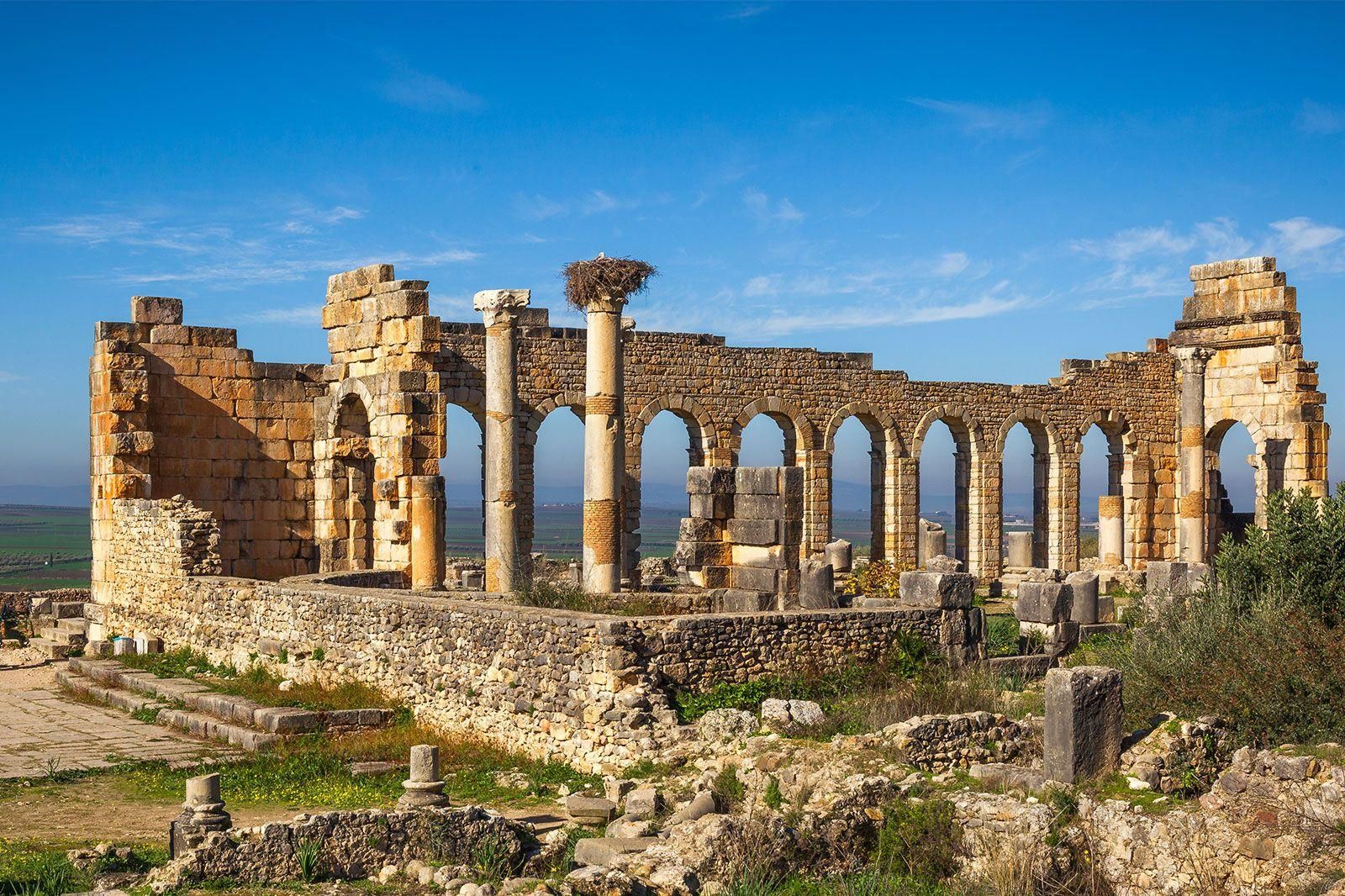
The historic Medina of Marrakech was founded by the Almoravids in the 11th century and has been recognized as a UNESCO World Heritage Site since 1985. Its historical importance extends far beyond Marrakech: the city became a major political, economic, and cultural center whose influence reached across North Africa and into Andalusia.
Today, Marrakech retains much of this heritage while also offering a modern side through neighborhoods such as Gueliz and Hivernage.
One moment you may be walking through centuries-old souks, and shortly afterward you can be sitting in a contemporary restaurant or exploring modern Moroccan design.
That contrast is one of the reasons Marrakech remains one of Morocco's most fascinating destinations.
1. Experience Jemaa el-Fna Square
No Marrakech itinerary is complete without visiting Jemaa el-Fna.
Located at the heart of the Medina, this famous square has served as a gathering place for generations. During the day, visitors pass juice stalls, merchants and performers while exploring the surrounding streets.
But the atmosphere changes dramatically toward sunset.
Food stalls begin setting up, smoke rises from grills, musicians perform, storytellers attract crowds, and the square becomes one enormous open-air gathering place.
For one of the best views, find a rooftop terrace overlooking Jemaa el-Fna shortly before sunset. From above, you can watch the square transform while the Koutoubia Mosque rises over the city in the distance.
After sunset, walk through the square itself and experience its energy at street level.
Jemaa el-Fna isn't simply a tourist attraction. Its cultural space has been recognized by UNESCO as part of Morocco's intangible cultural heritage.
Travel tip: Visit at least twice—once during daylight and again in the evening. They feel like two completely different experiences.
2. Get Lost in the Marrakech Medina
Exploring the Marrakech Medina is one of the highlights of visiting the city.
Behind the historic walls lies an extraordinary network of narrow streets, markets, workshops, riads, cafés, mosques and hidden courtyards.
Don't expect every street to follow a logical pattern.
Getting slightly lost is almost part of the Marrakech experience.
Walk slowly and pay attention to the small details: carved wooden doors, colorful tiles, baskets filled with spices, handwoven carpets and artisans working inside tiny workshops.
The Medina also contains many of Marrakech's most important historical attractions, including Ben Youssef Madrasa, Bahia Palace and the Saadian Tombs.
Travelers interested in Moroccan history may benefit from exploring the Medina with a knowledgeable local guide, particularly on their first day.
3. Shop in the Souks of Marrakech
The souks surrounding Jemaa el-Fna are among the most famous markets in Morocco.
Walking through them is an experience in itself.
You'll find shops and workshops selling:
- Moroccan rugs and carpets
- Leather bags and slippers
- Traditional lanterns
- Ceramics
- Spices
- Argan oil products
- Jewelry
- Woven baskets
- Traditional clothing
- Handmade decorative objects
Many products are still produced by Moroccan artisans using skills passed through generations.
Shopping here is also about interaction.
Prices are often negotiable, so bargaining is normal. Keep the conversation friendly, take your time, and only negotiate seriously when you're genuinely interested in buying.
Even if you don't plan to purchase anything, exploring the souks is one of the best ways to experience the colors, sounds and craftsmanship of Marrakech.
4. Visit the Koutoubia Mosque
The Koutoubia Mosque is Marrakech's most recognizable landmark.
Its approximately 77-meter minaret dominates the skyline near Jemaa el-Fna and has become one of the symbols of the city.
Dating from the Almohad period, the mosque is an important example of Islamic architecture in Morocco. Its design also influenced other major monuments, including the Giralda in Seville.
Non-Muslim visitors generally admire the mosque from outside, but the surrounding gardens provide excellent viewpoints.
The area is particularly attractive around sunset, when the changing light gives the walls and minaret a warm golden-red appearance.
Because the mosque is only a short walk from Jemaa el-Fna, it is easy to combine both places during the same afternoon.
5. Discover Bahia Palace
For travelers interested in Moroccan architecture, Bahia Palace is one of the essential places to visit in Marrakech.
Built during the 19th century, the palace showcases intricate Moroccan craftsmanship through painted cedar ceilings, carved plaster, geometric mosaics and peaceful courtyards.
Rather than rushing through, take time to examine the details.
Many of the most impressive features are found above eye level—particularly the decorated ceilings.
The palace also provides insight into the lives of Morocco's political elite during the period in which it was constructed.
Visit earlier in the day when possible, particularly during busy travel periods.
6. Explore the Saadian Tombs
Hidden for centuries before being rediscovered in the early 20th century, the Saadian Tombs are another remarkable historical attraction in Marrakech.
The complex contains the graves of members of the Saadian dynasty and is celebrated for its elaborate decoration.
Visitors will see carved cedar wood, detailed plasterwork, colorful tiles and marble incorporated into the mausoleums.
The famous Chamber of the Twelve Columns is particularly impressive.
The tombs are located near the Kasbah Mosque, making them easy to include in a walking itinerary through the southern Medina.
7. Step Inside Ben Youssef Madrasa
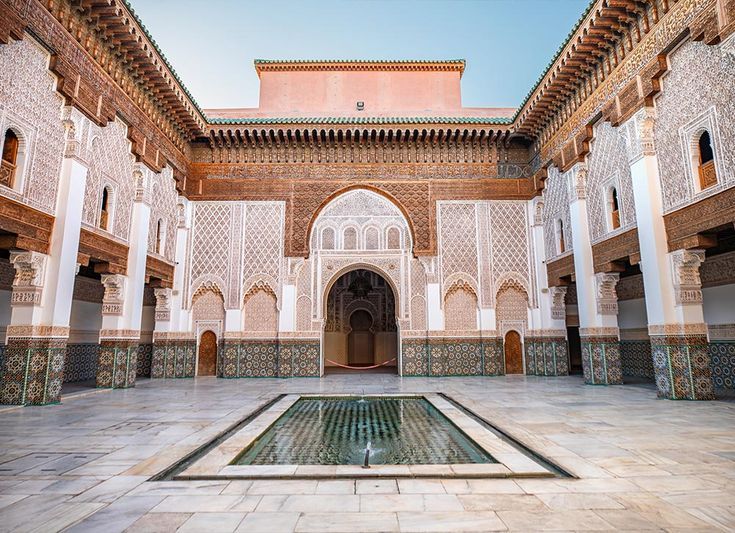
One of Marrakech's architectural treasures is the Ben Youssef Madrasa, a historic Islamic college.
Its central courtyard is surrounded by extraordinary examples of Moroccan decorative craftsmanship.
Look closely and you'll see carved cedar, geometric zellige tilework and detailed stucco covering walls and columns.
Beyond the main courtyard are the former student rooms, which offer another perspective on the building's original purpose.
For architecture and photography enthusiasts, Ben Youssef Madrasa should be high on the list of things to see in Marrakech.
8. Relax in Marrakech's Gardens
Marrakech can be intense.
After several hours inside the Medina, spending some time surrounded by greenery provides a welcome contrast.
One of the city's best-known gardens is Jardin Majorelle, famous for its striking colors, exotic plants and association with designer Yves Saint Laurent.
Another important green space is the Menara Gardens, whose large reflecting basin and olive groves create a peaceful landscape with views toward the Atlas Mountains on clear days.
Marrakech's gardens reveal a quieter side of the city and can be particularly enjoyable after a busy morning exploring the souks.
9. Stay in a Traditional Moroccan Riad
Where you stay can significantly change your Marrakech experience.
Instead of choosing only a conventional hotel, consider spending at least a few nights in a traditional riad.
Riads are Moroccan houses organized around an interior courtyard. Many historic residences in Marrakech have been transformed into boutique guesthouses while preserving traditional architectural features.
From the busy Medina streets, you might open an unassuming wooden door and suddenly enter a quiet courtyard filled with plants, fountains and intricate tilework.
Many riads also have rooftop terraces where guests can enjoy breakfast or mint tea above the rooftops of the Medina.
Staying in a riad provides a more intimate introduction to Moroccan architecture and hospitality.
10. Taste Traditional Marrakech Food
Food is an essential part of any trip to Marrakech.
Moroccan cuisine combines spices, slow cooking, fresh ingredients and recipes that vary between regions.
While visiting Marrakech, look for dishes such as tagine, couscous, pastilla and harira.
But one dish deserves particular attention: tanjia marrakchia.
Closely associated with Marrakech, tanjia is traditionally prepared by slow-cooking meat with spices and preserved lemon inside a distinctive clay pot.
For another local experience, explore the food stalls around Jemaa el-Fna in the evening.
You can also join a Moroccan cooking class, visit a local market with a guide or enjoy dinner in a traditional riad.
And, of course, expect plenty of Moroccan mint tea throughout your stay.
11. Take a Day Trip to the Atlas Mountains
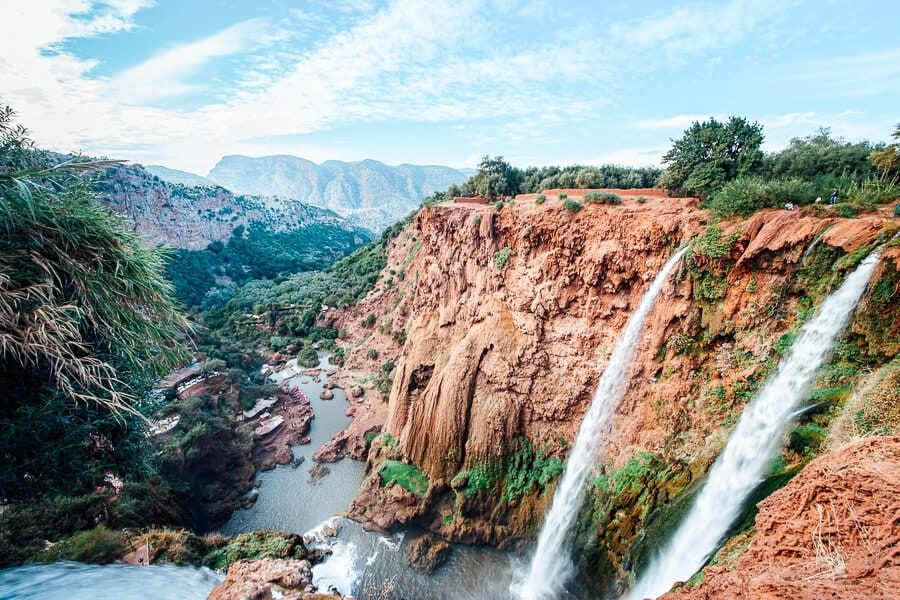
One of Marrakech's greatest advantages is its proximity to the Atlas Mountains.
Within a relatively short drive, the busy streets of Marrakech give way to valleys, mountain scenery and villages.
Popular destinations include the Ourika Valley and areas around Imlil.
Depending on your interests, an Atlas Mountains excursion can include hiking, visiting villages, enjoying a traditional lunch or simply taking in the landscape.
Travelers with more time can also include overnight stays and longer trekking experiences.
The mountains provide a dramatic contrast to Marrakech and are an excellent addition to a Morocco itinerary.
12. Experience the Agafay Desert
If you don't have enough time to travel all the way to the Sahara, the Agafay Desert provides a convenient alternative close to Marrakech.
Agafay is not a Sahara-style landscape of enormous golden dunes. Instead, visitors find a rocky, arid landscape with wide horizons and views toward the Atlas Mountains.
Popular experiences include sunset excursions, camel rides, quad biking and dinner at desert camps.
Some travelers also spend the night in luxury camps.
Agafay works particularly well for short Marrakech trips where an overnight journey to the Sahara would require too much travel time.
However, travelers seeking the classic Moroccan desert experience with large sand dunes should consider extending their journey toward Merzouga.
Marrakech to the Sahara Desert
For many visitors, Marrakech is the beginning rather than the end of their Moroccan adventure.
Multi-day desert tours from Marrakech can take travelers across the High Atlas Mountains toward southern Morocco.
Depending on the itinerary, the journey may include locations such as Ait Ben Haddou, Ouarzazate, the Dades Valley and Todra Gorge before continuing toward the Sahara.
The road trip itself is part of the experience.
Landscapes change dramatically as you move from Marrakech through mountain passes, valleys, kasbahs and increasingly arid terrain.
For travelers with enough time, combining Marrakech with a Sahara desert tour creates a much broader picture of Morocco.
How Many Days Do You Need in Marrakech?
For most first-time visitors, three to four days in Marrakech provides a good introduction.
With three days, you can explore the Medina, Jemaa el-Fna, souks, major palaces, historical monuments and gardens.
With four or five days, you can travel at a slower pace and add an excursion to the Atlas Mountains or Agafay Desert.
A simple Marrakech itinerary could look like this:
Day 1: Jemaa el-Fna, Marrakech Medina, souks and Koutoubia Mosque.
Day 2: Bahia Palace, Saadian Tombs, Ben Youssef Madrasa and traditional Moroccan dinner.
Day 3: Jardin Majorelle, Gueliz and a hammam or cooking experience.
Day 4: Atlas Mountains or Agafay Desert excursion.
Travelers continuing toward the Sahara should allow additional days rather than trying to squeeze the desert into a short Marrakech city break.
Best Time to Visit Marrakech
Marrakech can be visited throughout the year, but weather conditions vary significantly between seasons.
Spring is popular because temperatures are generally comfortable for sightseeing and excursions.
Autumn is another excellent period for walking around the Medina and exploring surrounding areas.
Summer can become extremely hot, particularly during the middle of the day. Travelers visiting during hotter months should plan outdoor sightseeing for mornings and evenings.
Winter generally brings cooler conditions, especially after sunset, while daytime sightseeing can remain pleasant.
Whatever the season, pack comfortable walking shoes. Exploring Marrakech usually involves considerable walking, particularly inside the Medina.
Practical Tips for Visiting Marrakech
A little preparation makes exploring Marrakech easier.
Wear comfortable footwear because Medina streets can be uneven and you'll probably walk more than expected.
Dress respectfully, particularly when visiting traditional neighborhoods and religious areas.
Keep some Moroccan dirhams available for smaller purchases, market stalls and tips.
When shopping in the souks, negotiate politely and treat bargaining as a conversation rather than a competition.
Download an offline map before exploring the Medina, but don't worry if you occasionally take the wrong turn. Discovering unexpected streets, workshops and cafés is part of the experience.
For historical sightseeing, hiring a knowledgeable local guide can provide valuable context that is difficult to get simply by walking past monuments.
Marrakech, Fes or Both?
Travelers planning a Morocco itinerary often wonder whether they should choose Marrakech or Fes.
The better answer is often: visit both.
Marrakech offers lively squares, famous palaces, gardens, restaurants and convenient access to the Atlas Mountains and southern Morocco.
Fes offers another side of Moroccan history and culture, centered around its extraordinary historic Medina and long tradition of craftsmanship.
Combining the two cities creates a richer Morocco itinerary.
You can also connect Marrakech and Fes through a multi-day Sahara journey, transforming the transfer between two imperial cities into one of the highlights of your trip.
Instead of simply traveling directly between them, you can cross the Atlas Mountains, visit kasbahs and valleys, spend time in the Sahara and continue north toward Fes.
Is Marrakech Worth Visiting?
Absolutely.
Marrakech is far more than a collection of tourist attractions.
Its appeal comes from the combination of experiences found within a relatively compact area: the sounds of Jemaa el-Fna after sunset, the scent of spices inside the souks, the craftsmanship of historic palaces, peaceful riad courtyards, rooftop views and the red walls glowing in the evening light.
It can feel energetic, chaotic, beautiful and peaceful—sometimes within the same hour.
Whether Marrakech is your first stop in Morocco, your base for exploring the Atlas Mountains or the starting point for a journey toward the Sahara, the city offers an unforgettable introduction to the country.
Plan Your Marrakech and Morocco Tour
Marrakech is an excellent place to begin exploring Morocco, but some of the country's most memorable experiences lie beyond the city walls.
From the High Atlas Mountains and ancient kasbahs to desert valleys, traditional villages and the dunes of the Sahara, a private Morocco tour allows you to experience several sides of the country within one journey.
Fes Morocco Tours offers private and tailor-made Morocco itineraries that can connect Marrakech with destinations such as Fes, Merzouga, Ouarzazate, the Atlas Mountains and other highlights across the country.
Whether you're planning a short Marrakech escape, a Sahara desert adventure or a complete Morocco itinerary, your journey can be adapted around your travel dates, interests and preferred pace.
Explore Marrakech, discover the Sahara and experience Morocco beyond the usual route.