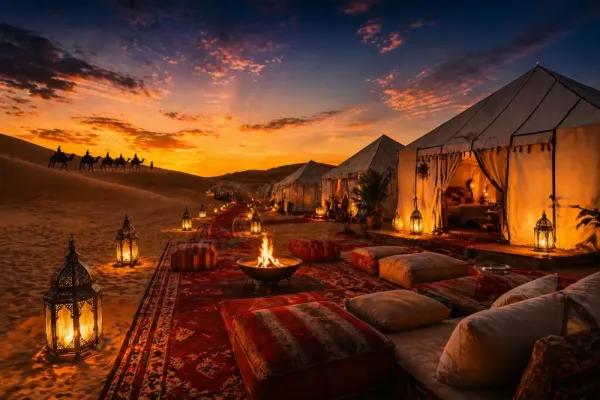
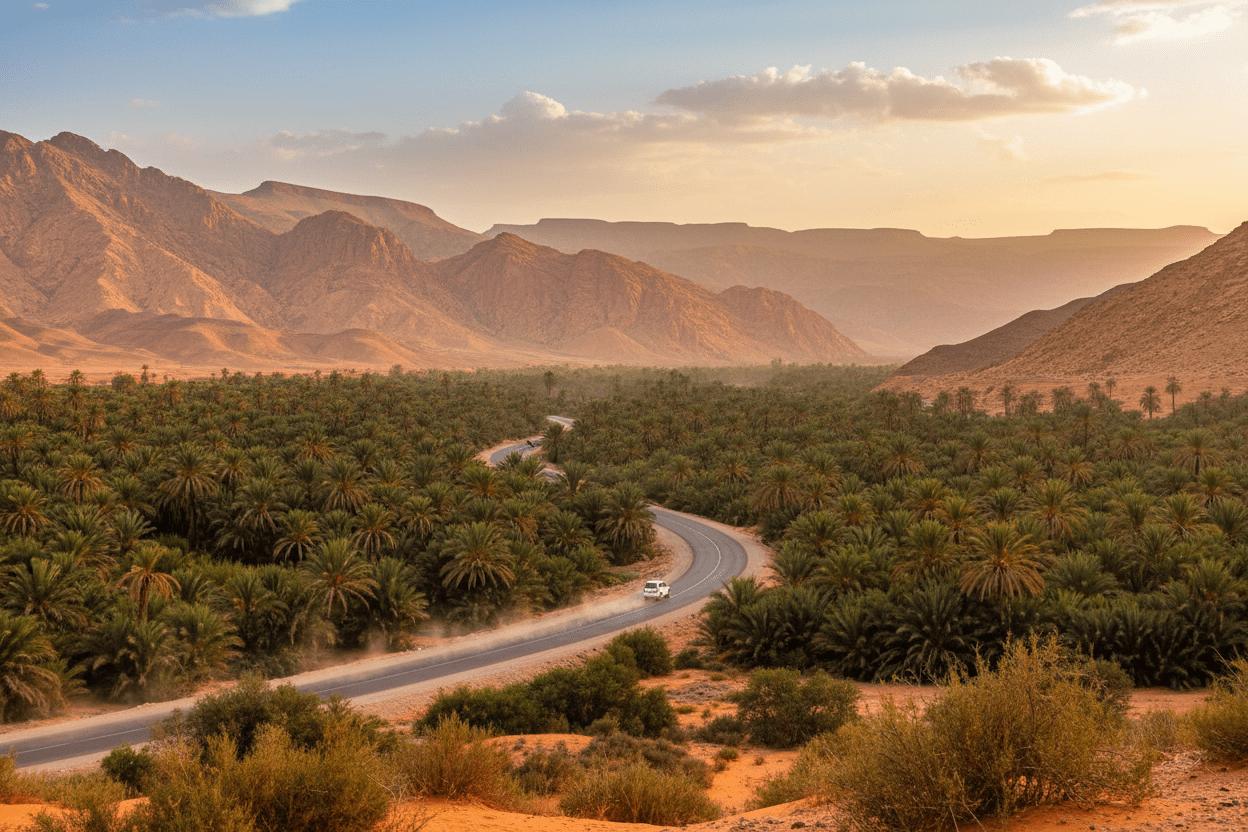
Morocco is much more than colorful souks, Sahara dunes, ancient medinas, and beautiful riads. One of the most memorable parts of traveling through the country is discovering Moroccan culture itself: the hospitality, family traditions, food, craftsmanship, music, clothing, and everyday customs that shape life across the kingdom.
For first-time visitors, understanding a few Moroccan traditions can make a journey more comfortable and meaningful. Whether you are wandering through the historic streets of Fes, drinking mint tea with a local family, exploring Marrakech, visiting villages in the Atlas Mountains, or spending a night in the Sahara, knowing how people live and interact can help you connect more deeply with Morocco.
This guide introduces the essential cultural customs and etiquette travelers should know before visiting Morocco.
Moroccan Hospitality: More Than a Welcome
Hospitality occupies an important place in Moroccan social life.
Visitors may quickly notice how often conversations are accompanied by tea, food, or an invitation to sit down. Sharing something with a guest is a common expression of welcome and generosity.
One of the best-known symbols of this hospitality is Moroccan mint tea.
Usually prepared with green tea, fresh mint, and sugar, tea is served throughout the day in homes, cafés, shops, riads, and restaurants. Preparing and pouring it can become a small social ritual rather than simply a way to quench your thirst.
If someone offers you tea while visiting a home or meeting local people, accepting a glass can be a pleasant way to participate in the moment.
Greetings in Morocco
Greetings are important in Moroccan culture.
A simple greeting before beginning a conversation, asking a question, or entering a shop can make an interaction feel much friendlier.
You may hear:
Salam Alaikum — Peace be upon you.
A common response is:
Wa Alaikum Salam — And peace be upon you.
French is also widely used, particularly in cities and tourism-related environments, so expressions such as Bonjour and Merci are commonly understood.
Learning even a few words of Moroccan Arabic, known locally as Darija, can be appreciated.
Useful expressions include:
Salam — Hello
Shukran — Thank you
Afak — Please
Labas? — How are you?
You do not need to speak Arabic to travel around Morocco, but making a small effort with local greetings can create warmer interactions.
What Should Travelers Wear in Morocco?
Morocco welcomes travelers from around the world, and clothing styles vary considerably between large cities, tourist destinations, coastal towns, and rural communities.
Visitors do not generally need to wear traditional Moroccan clothing. However, choosing relatively modest clothing can be appropriate, particularly when visiting rural areas, religious surroundings, or traditional neighborhoods.
Lightweight, breathable clothing is useful during warmer months, while layers become important during cooler evenings and when traveling through mountainous or desert regions.
Travelers should also remember that Morocco's climate varies dramatically. A warm afternoon in the desert can be followed by a surprisingly cool night.
The Importance of Family
Family plays a central role in Moroccan society.
Extended families often maintain close relationships, and family gatherings can be an important part of everyday and social life.
Travelers who have the opportunity to visit a Moroccan home may experience this culture directly through shared meals, conversations, and generous hospitality.
These experiences can reveal a side of Morocco that cannot always be discovered through monuments and sightseeing alone.
Moroccan Food and the Culture of Sharing
Food is one of the easiest ways to discover Moroccan culture.
Moroccan cuisine reflects centuries of regional traditions and cultural influences. Recipes, spices, cooking methods, and ingredients can change as you travel from one part of the country to another.
Among the dishes visitors frequently encounter are tagine, couscous, pastilla, harira, grilled meats, Moroccan salads, fresh bread, and traditional pastries.
Meals are also social occasions.
In traditional settings, several people may share food from a central dish. Bread is commonly served alongside meals and is an important part of Moroccan dining.
If you are invited to eat in a traditional setting, observe what your host is doing and follow their lead. This is often the easiest way to navigate unfamiliar customs.
Friday in Morocco
Friday has special religious importance in Morocco.
Around midday, you may notice increased activity around mosques as people attend Friday prayers. Some independently operated shops or businesses may temporarily close or adjust their schedules.
Friday is also strongly associated with couscous in many Moroccan households.
For travelers, experiencing traditional Friday couscous can provide a small glimpse into Moroccan family and culinary traditions.
Visiting Mosques and Religious Places
Morocco has magnificent Islamic architecture, from decorated minarets and courtyards to historic madrasas and religious complexes.
Travelers should remember, however, that access to active mosques can be restricted for non-Muslim visitors.
Rules differ depending on the site, so visitors should always check before entering.
Even where entry is permitted, respectful clothing and quiet behavior are appropriate.
Historic madrasas, museums, architectural sites, and certain religious complexes can provide alternative opportunities to appreciate Morocco's Islamic artistic heritage.
Photography Etiquette
Morocco is extremely photogenic.
Medinas, colorful markets, mountain villages, desert landscapes, craftsmen, food stalls, and traditional architecture create endless opportunities for photography.
But photographing a beautiful building and photographing a person are different things.
When someone is clearly the subject of your photograph, it is courteous to ask permission first.
Some people may happily agree, while others may prefer not to be photographed.
Respecting their decision helps create better interactions between visitors and local communities.
Shopping and Bargaining in Moroccan Souks
Exploring a traditional souk is an essential Moroccan travel experience.
You may find carpets, leather goods, ceramics, spices, lanterns, jewelry, textiles, woodwork, traditional clothing, natural beauty products, and countless handmade objects.
In many traditional markets, bargaining is part of the shopping experience.
The process does not need to be aggressive.
Ask the price, make a reasonable counteroffer, and keep the conversation friendly. If you cannot agree on a price, you can politely decline.
Remember that behind many products are artisans and families who have preserved specialized crafts over generations.
In cities such as Fes, visitors can still encounter workshops dedicated to leather, ceramics, metalwork, weaving, embroidery, and wood carving.
Ramadan and Traveling in Morocco
Traveling during Ramadan offers visitors a different perspective on Moroccan culture.
During this month, Muslims who observe Ramadan fast between dawn and sunset. Daily schedules may change, some businesses may operate at different hours, and cities can become particularly lively after sunset.
The evening meal that breaks the fast is known as iftar.
As sunset approaches, streets can suddenly become quieter while families gather to eat. Later in the evening, cafés and public spaces often become active again.
Tourists are not generally expected to fast, and hotels and restaurants in major tourist areas usually continue serving visitors.
Nevertheless, showing consideration toward people who are fasting is appreciated.
Moroccan Hammam Culture
The traditional hammam has long been part of Moroccan life.
A hammam is a steam bath where people wash and exfoliate. Historically, hammams also served an important social and community function.
Today travelers can choose between traditional neighborhood hammams and more luxurious spa-style experiences.
For visitors interested in Moroccan wellness traditions, experiencing a hammam can be an interesting addition to a cultural journey.
Traditional Moroccan Clothing
Two garments travelers will frequently encounter are the djellaba and kaftan.
A djellaba is a long, loose-fitting outer garment traditionally worn by both men and women, often recognizable by its pointed hood.
The Moroccan kaftan is particularly associated with celebrations and special occasions. Elaborately decorated versions can involve detailed embroidery, beadwork, and other forms of craftsmanship.
Traditional clothing remains visible alongside contemporary fashion, illustrating the way modern and traditional influences coexist throughout Morocco.
Moroccan Craftsmanship
Craftsmanship is one of Morocco's most visible cultural traditions.
Walk through an old medina and you may encounter artisans working with techniques passed from one generation to another.
Morocco is particularly known for:
- Zellige tilework
- Handwoven carpets
- Leatherwork
- Pottery and ceramics
- Brass and copper objects
- Wood carving
- Embroidery
- Traditional lanterns
- Plaster carving
- Woven textiles
Fes is especially rewarding for travelers interested in craftsmanship because many traditional workshops remain part of everyday medina life.
Watching an artisan at work can transform a souvenir into something more meaningful: a connection to the knowledge and history behind the object.
Experience the Medina Slowly
Morocco's historic medinas are not simply tourist attractions.
They are living neighborhoods.
People shop for groceries, children travel to school, artisans work inside small workshops, deliveries move through narrow streets, residents visit mosques, and families live behind centuries-old walls.
Visitors should therefore explore them with patience and awareness.
Instead of rushing from landmark to landmark, take time to notice the smaller details: decorated doors, neighborhood bakeries, fountains, workshops, tiny cafés, spice shops, and conversations taking place around you.
This slower style of travel can reveal much more about Moroccan culture.
Cultural Differences Between Moroccan Regions
There is no single Moroccan experience.
A journey through the country can take you from Mediterranean landscapes in the north to Atlantic cities, imperial capitals, Amazigh communities in the mountains, palm-filled valleys, and the edge of the Sahara.
Fes has its own traditions and architectural identity.
Marrakech has a different rhythm.
Chefchaouen reflects the character of northern Morocco and the Rif Mountains.
Essaouira combines Moroccan heritage with Atlantic coastal life.
The Atlas Mountains introduce travelers to different landscapes and Amazigh traditions.
Sahara communities have developed around an entirely different environment.
Exploring several regions helps travelers understand just how diverse Morocco really is.
Respect Local Communities
Responsible travel begins with remembering that the places you visit are also people's homes.
A few simple habits can make a difference:
Ask before photographing people, respect private spaces, dress appropriately for the setting, avoid blocking narrow medina streets, follow instructions at religious and historical sites, and treat artisans, guides, drivers, hotel employees, and vendors respectfully.
Travel is more rewarding when cultural exchange works in both directions.
How to Experience Authentic Moroccan Culture
The best cultural experiences are often interactive.
Instead of only seeing Morocco through monuments, consider experiences that allow you to participate in everyday traditions.
Take a Moroccan cooking class and learn how a tagine is prepared.
Visit artisan workshops in Fes.
Explore a medina with a knowledgeable local guide.
Share tea with a Moroccan family.
Visit villages outside the major tourist centers.
Experience a traditional hammam.
Travel through the Atlas Mountains.
Spend a night near the Sahara dunes.
Taste regional dishes as you move between cities.
These experiences provide context to the architecture, landscapes, and historical monuments you encounter throughout your journey.
Final Thoughts: Travel Morocco With Curiosity
Morocco rewards curious travelers.
Its beauty is certainly found in the blue streets of Chefchaouen, the alleys of Fes, the energy of Marrakech, the peaks of the Atlas Mountains, and the dunes of the Sahara.
But the country's character is also found in smaller moments: a glass of mint tea, bread arriving fresh from a neighborhood oven, an artisan working inside a centuries-old medina, a shared meal, or a simple conversation.
Understanding Moroccan culture and respecting local customs can turn a sightseeing trip into a much richer travel experience.
When you travel through Morocco, take time not only to see the country but also to understand the traditions, communities, and everyday life that make it unique.
Discover Morocco With Fes Morocco Tours
Ready to experience Morocco beyond the usual tourist routes?
Fes Morocco Tours offers private and tailor-made journeys through Morocco, including cultural experiences, imperial cities, Sahara desert adventures, day trips, and customized itineraries departing from Fes, Marrakech, Casablanca, and Tangier.
Explore ancient medinas, meet local communities, cross the Atlas Mountains, discover traditional Moroccan cuisine, and experience the Sahara with local knowledge throughout your journey.
Start planning your Morocco adventure and discover the culture behind the destination.
Frequently Asked Questions About Moroccan Culture
What should tourists know about Moroccan culture before visiting?
Visitors should understand that hospitality, family, religion, food, and community are important elements of Moroccan life. Greeting people politely, dressing appropriately for the situation, asking before photographing individuals, and respecting religious spaces are simple ways to travel respectfully.
Do tourists need to dress modestly in Morocco?
There is no single dress code for tourists, and clothing varies greatly across Morocco. More modest clothing is generally appropriate when visiting traditional neighborhoods, rural communities, and religious or culturally sensitive locations.
Can tourists drink mint tea with local people?
Yes. Mint tea is an important part of Moroccan hospitality and social interaction. Being offered tea can be an opportunity to slow down, talk, and experience a small part of everyday Moroccan culture.
Is bargaining normal in Morocco?
Bargaining is common in many traditional souks and independent shops where prices are not fixed. Keep negotiations friendly and remember that you are dealing with real merchants and artisans.
Can tourists visit mosques in Morocco?
Access depends on the individual mosque. Many active mosques have restrictions on non-Muslim visitors, while certain historic or cultural religious sites may permit entry. Always check the rules at the specific location before entering.
What is the best way to experience Moroccan culture?
Combine famous attractions with local experiences. Explore medinas with local guides, visit artisan workshops, try regional food, take a cooking class, experience a hammam, visit smaller communities, and spend time learning about everyday Moroccan life.