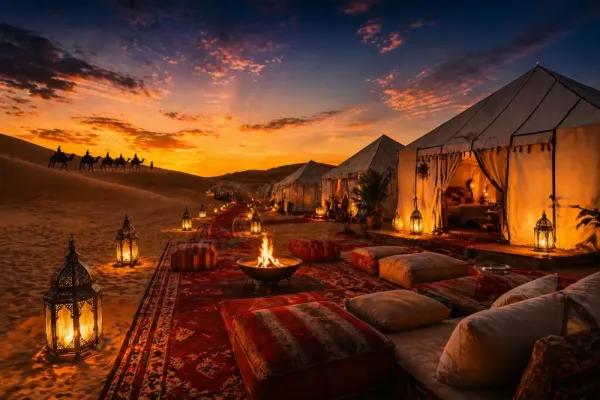
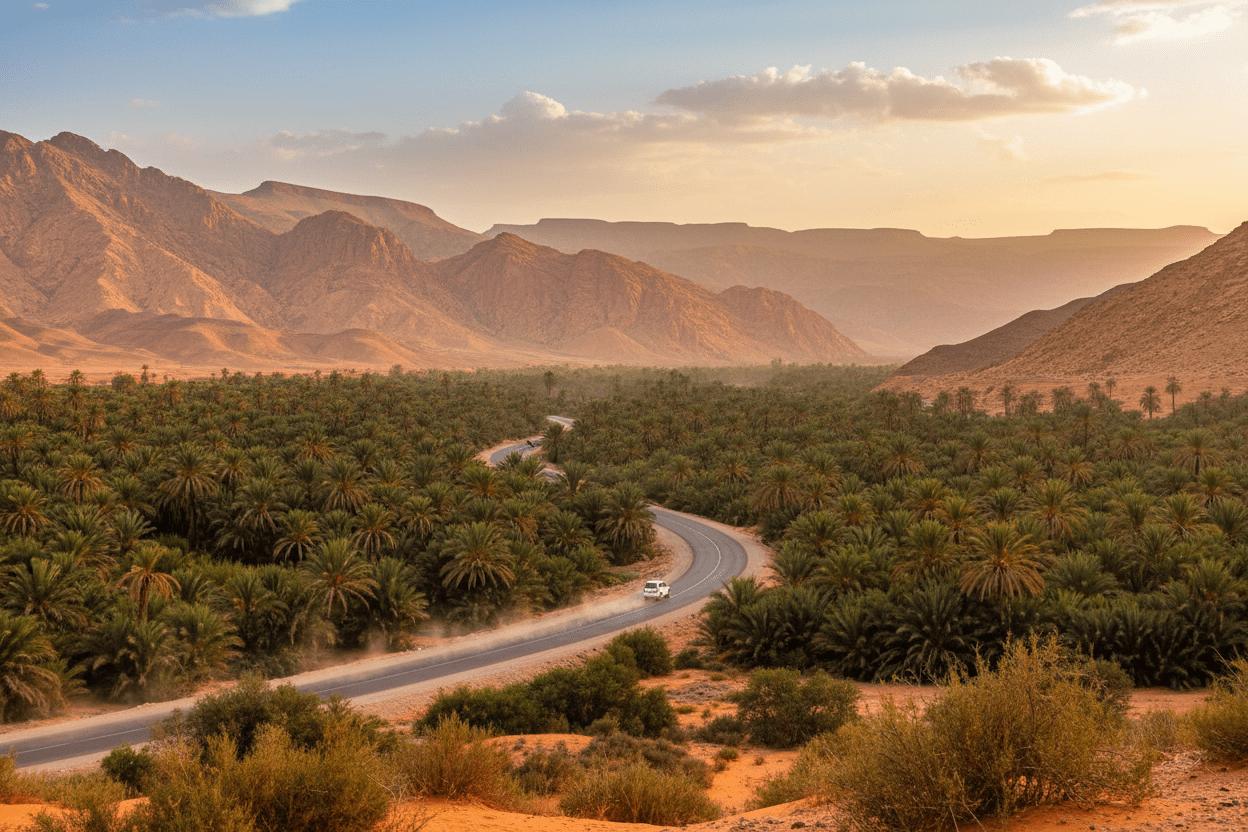
When visiting Morocco, most travelers dream of exploring ancient medinas, wandering through colorful souks, and discovering the golden dunes of the Sahara Desert. However, one of the country's most memorable cultural experiences takes place behind the doors of a traditional Moroccan hammam.
A Moroccan hammam is much more than a steam bath. It is a centuries-old bathing tradition that combines cleansing, relaxation, social interaction, and Moroccan beauty rituals.
From the historic bathhouses of Fes to the luxurious spas of Marrakech, hammams offer visitors an opportunity to experience an important part of everyday Moroccan life.
Whether you are interested in traditional black soap, the famous kessa exfoliating glove, or simply enjoying a relaxing experience after sightseeing, visiting a hammam can be a memorable addition to your Morocco vacation.
In this comprehensive guide, discover how Moroccan hammams work, what to expect during your first visit, traditional beauty products, hammam etiquette, and practical tips for choosing the right experience.
If you are visiting Morocco's cultural capital, Fes Morocco Tours offers opportunities to discover authentic local experiences, including a traditional hammam and spa experience in Fes.
What Is a Moroccan Hammam?
A Moroccan hammam is a traditional public or private bathhouse designed for washing, cleansing, and relaxation.
Hammams have been an important part of Moroccan society for generations. Historically, they provided communities with access to bathing facilities and served as places where people could gather and maintain personal hygiene.
Traditional hammams are commonly divided into several rooms with different temperatures, allowing bathers to gradually adjust to the warmth.
Unlike a modern Western spa, a traditional Moroccan hammam often focuses on thorough washing and exfoliation rather than massage or beauty treatments.
The experience may involve warm water, Moroccan black soap, a textured exfoliating glove, and traditional washing techniques.
Today, travelers can choose between neighborhood hammams and private spa establishments offering more elaborate services.
Both provide different ways to experience Moroccan bathing culture.
The History and Cultural Importance of Moroccan Hammams
The history of Moroccan hammams is closely connected to the broader bathing traditions of the Mediterranean and Islamic world.
Public bathhouses developed over centuries, influenced by earlier Roman bathing practices and the importance of cleanliness within Islamic culture.
In historic Moroccan cities such as Fes, hammams became an essential part of neighborhood life.
They were often located near mosques, markets, and residential districts, making them accessible to local communities.
A Tradition Passed Down Through Generations
For many Moroccan families, visiting the hammam is a familiar routine.
Parents introduce children to traditional bathing customs, while older generations pass down techniques for washing and using natural beauty products.
The hammam has also historically served as a social space, particularly during separate bathing sessions for women and men.
Hammams and Moroccan Celebrations
Traditional bathing rituals are sometimes associated with important life events, including weddings and other family celebrations.
Bridal hammam ceremonies may involve special preparations, beauty treatments, and gatherings with relatives or friends.
These traditions vary between families and regions.
The Hammam in Modern Morocco
Although modern bathrooms are common in Moroccan homes, traditional hammams remain part of local culture.
At the same time, luxury hotels and wellness establishments have introduced contemporary interpretations of the traditional bathing ritual.
Visitors can now choose experiences ranging from simple public bathhouses to private spa treatments.
Traditional Moroccan Hammam vs. Luxury Spa: What's the Difference?
Before booking a Moroccan hammam, it is useful to understand the differences between traditional neighborhood facilities and tourist-oriented spas.
FeatureTraditional HammamLuxury Hammam SpaAtmosphereLocal and communalPrivate and relaxingFacilitiesSimple bathing roomsModern spa facilitiesExperienceTraditional self-washing or assistanceGuided treatmentsPrivacyShared bathing areasPrivate or semi-private optionsProductsBasic traditional productsAdditional skincare treatmentsCostUsually more affordableGenerally more expensiveBest forCultural immersionComfort and relaxation
Neither option is necessarily better.
A traditional hammam offers insight into everyday Moroccan culture, while a luxury spa may be more comfortable for first-time visitors.
Step-by-Step: What Happens During a Moroccan Hammam?
If you have never visited a hammam before, understanding the process can help you feel more comfortable.
The exact experience varies by establishment, but a typical guided hammam treatment follows several stages.
Step 1: Enter the Warm Bathing Area
Your hammam experience usually begins in a warm, humid room.
The heat helps you relax and prepares your skin for washing.
Unlike a dry sauna, traditional hammams typically use warm, humid environments.
Spend a few minutes adjusting to the temperature.
If you feel dizzy, overheated, or uncomfortable, leave the heated area and inform the attendant.
Step 2: Apply Moroccan Black Soap
One of the most recognizable elements of the Moroccan hammam is savon beldi, also called Moroccan black soap.
This traditional soap is commonly made using olive-derived ingredients and has a soft, paste-like texture.
It is applied to damp skin and left briefly before rinsing.
The soap helps cleanse the skin and prepares it for exfoliation.
Step 3: Exfoliation with a Kessa Glove
After rinsing away the black soap, an attendant may use a kessa glove to exfoliate the skin.
The glove has a textured surface designed to remove loose dead skin cells.
This process is one of the defining features of a traditional Moroccan hammam.
The intensity of exfoliation should be adjusted to your comfort level.
If you have sensitive skin, recent sunburn, irritation, or a skin condition, ask for gentle treatment or skip exfoliation.
Step 4: Rinse with Warm Water
Following exfoliation, the body is rinsed thoroughly with warm water.
This removes soap residue and loosened skin cells.
In traditional hammams, bathers often use buckets and small containers to pour water over themselves.
In modern spa establishments, attendants may manage the rinsing process.
Step 5: Optional Rhassoul Clay Treatment
Some hammams offer a treatment using rhassoul, a mineral-rich clay traditionally sourced from Morocco.
Rhassoul may be applied to the body or hair as part of a cleansing ritual.
The clay is usually mixed with water to form a smooth paste.
Not every hammam includes this treatment, so check the service description before booking.
Step 6: Relaxation and Moisturizing
After bathing, some spa treatments conclude with moisturizing products such as argan oil or almond oil.
Luxury establishments may also offer massage treatments.
These additions are not necessarily part of a basic traditional hammam visit.
Traditional Moroccan Beauty Products Used in Hammams
Morocco has a rich heritage of traditional beauty and personal-care products.
Several ingredients are particularly associated with hammam rituals.
Moroccan Black Soap – Savon Beldi
Moroccan black soap is widely used for cleansing before exfoliation.
Its soft texture makes it different from conventional solid soaps.
It is commonly associated with olive-based ingredients and traditional bathing practices.
Kessa Exfoliating Glove
The kessa glove is an essential tool in many hammam treatments.
It provides mechanical exfoliation when used on damp skin.
Excessive scrubbing can cause irritation, so gentle application is important.
Rhassoul Clay
Rhassoul is a traditional Moroccan clay used in some hair and body treatments.
It is often included in spa rituals because of its cleansing properties.
Argan Oil
Argan oil is one of Morocco's most recognizable beauty products.
Produced from the kernels of the argan tree, it is commonly used in haircare and skincare.
After bathing, it may be applied to moisturize the skin.
Rosewater
Rosewater is another traditional ingredient found in Moroccan beauty routines.
Its floral scent makes it popular in cosmetic preparations and some spa treatments.
Henna
Henna is traditionally used for decorative body art and hair coloring.
Although it is associated with Moroccan beauty traditions, it is not a standard part of every hammam experience.
Visitors should avoid products containing unverified additives, particularly so-called black henna, which can cause serious skin reactions.
Benefits of a Traditional Moroccan Hammam
A Moroccan hammam can provide several enjoyable wellness and personal-care experiences.
However, it is important to distinguish traditional uses from medically established benefits.
1. Relaxation
Warm water and a quiet bathing environment may help visitors feel relaxed after a busy day of sightseeing.
2. Skin Cleansing
Soap and water remove surface dirt, sweat, and oils.
Gentle exfoliation can help remove loose dead skin cells.
3. A Refreshing Travel Experience
After long journeys or extensive walking, a hammam can provide a comfortable opportunity to wash and unwind.
4. Cultural Discovery
Perhaps the most distinctive benefit is cultural.
A hammam allows travelers to participate in a traditional Moroccan activity rather than simply observing historic attractions.
5. Personal-Care Ritual
Taking time for a structured bathing routine can be an enjoyable part of a vacation.
Important: Hammams should not be presented as medical detoxification treatments. People with cardiovascular conditions, heat sensitivity, pregnancy-related concerns, or other relevant health issues should consult a healthcare professional before using very hot bathing facilities.
Moroccan Hammam Etiquette: What Tourists Should Know
Understanding local etiquette is essential for a respectful and comfortable experience.
Respect Gender Arrangements
Traditional neighborhood hammams generally have separate facilities or designated bathing hours for women and men.
Private spas may offer couples' treatments or individual rooms.
Confirm the arrangements before visiting.
Follow the Dress Code
Clothing expectations vary.
In public hammams, visitors commonly wear underwear or suitable bathing garments according to local customs.
Tourist spas may provide disposable garments.
Ask the establishment about its rules in advance.
Bring Personal Items
For a traditional hammam, you may need to bring your own towel, sandals, soap, kessa glove, and clean clothing.
Spa establishments often provide these items.
Respect Privacy
Photography and video recording are generally inappropriate inside bathing areas.
Never photograph other bathers.
Communicate Your Preferences
If an attendant is performing exfoliation, explain whether you prefer gentle or firmer pressure.
You should always feel comfortable asking for a treatment to stop.
Stay Hydrated
Drink water before and after your visit, particularly during warm weather.
Avoid spending excessive time in very hot rooms.
How Much Does a Moroccan Hammam Cost?
The price of a Moroccan hammam varies considerably depending on the city, facilities, and services included.
Traditional neighborhood hammams are usually much less expensive than private spa establishments.
Luxury spas may charge more for additional treatments, massage services, private rooms, and premium products.
Before booking, confirm whether the quoted price includes:
- Entrance to the hammam.
- Soap and exfoliating products.
- Assistance from an attendant.
- Towels and bathing accessories.
- Optional massage treatments.
- Taxes or service charges.
Because prices change and establishments offer different packages, checking current rates directly is the best approach.
Where to Experience a Moroccan Hammam
Hammams can be found throughout Morocco, but certain cities are particularly attractive for visitors interested in cultural experiences.
Fes: Traditional Hammams and Historic Atmosphere
Fes is one of the best places to explore Morocco's traditional wellness culture.
The historic medina is known for its artisan workshops, traditional markets, and long-established neighborhood customs.
A hammam experience in Fes can be combined with sightseeing and visits to shops selling traditional beauty products.
Travelers interested in this experience can explore the Fes Hammam and Spa experience offered through Fes Morocco Tours.
Marrakech: Luxury Spas and Traditional Rituals
Marrakech offers a wide variety of hammam experiences, from neighborhood bathhouses to luxury hotel spas.
Visitors seeking private treatments and elaborate wellness packages will find numerous options.
Essaouira: Coastal Relaxation
Essaouira's relaxed atmosphere makes it an attractive destination for combining sightseeing with wellness experiences.
A hammam visit can be a pleasant activity after exploring the medina and Atlantic coastline.
Casablanca: Modern and Traditional Options
Casablanca offers both traditional public hammams and contemporary spa facilities.
Travelers can choose an experience based on their preferred level of comfort and privacy.
Why Try a Moroccan Hammam in Fes?
Fes offers a distinctive setting for experiencing traditional Moroccan culture.
The city's historic medina, artisan traditions, and architectural heritage make it an excellent destination for visitors interested in authentic local experiences.
A hammam visit can complement a day spent exploring the narrow streets of Fes el-Bali.
Combine Your Hammam with a Medina Visit
Before your treatment, explore the traditional markets where local beauty products are sold.
You may encounter black soap, rosewater, argan oil, and other products associated with Moroccan personal-care traditions.
Relax After Sightseeing
Exploring Fes often involves extensive walking.
A hammam session can provide a relaxing conclusion to a day visiting historic monuments and traditional markets.
Discover Local Wellness Traditions
Participating in a hammam experience introduces travelers to a side of Moroccan culture that is not always visible during standard sightseeing tours.
Plan with Fes Morocco Tours
Visitors can explore the Fes Hammam and Spa activity and other cultural activities in Fes to organize a more personalized stay.
When Is the Best Time to Visit a Moroccan Hammam?
Hammams are available throughout the year.
The ideal time depends on your schedule and personal preferences.
During Winter
A warm hammam can be particularly enjoyable during Morocco's cooler months.
After a Day of Sightseeing
Many visitors prefer an afternoon or evening appointment after exploring a medina.
During a Relaxed Travel Day
A hammam works well on days without long transportation journeys or demanding activities.
Before a Special Occasion
Some travelers enjoy spa treatments before celebrations or special evenings.
Booking in advance is recommended for private spas, particularly during busy travel periods.
Common Mistakes to Avoid During Your First Hammam Visit
First-time visitors sometimes arrive without understanding how traditional hammams operate.
Avoid these common mistakes.
Expecting every hammam to be a luxury spa: Neighborhood hammams often have simple facilities and a communal atmosphere.
Forgetting personal bathing supplies: Some traditional establishments do not provide towels or toiletries.
Using excessive exfoliation: Strong scrubbing can irritate or damage the skin.
Ignoring local etiquette: Respect privacy, clothing rules, and gender-specific bathing arrangements.
Staying too long in hot rooms: Take breaks and leave if you feel uncomfortable.
Not checking what is included: Confirm the treatment details and price before booking.
Frequently Asked Questions About Moroccan Hammams
What is a traditional Moroccan hammam?
A traditional Moroccan hammam is a bathhouse used for washing, cleansing, and relaxation. It commonly involves warm rooms, black soap, rinsing, and exfoliation with a kessa glove.
Is a Moroccan hammam suitable for tourists?
Yes. Many Moroccan hammams welcome visitors. First-time travelers may find private spas easier to navigate because treatments are often guided and facilities may offer more privacy.
Do you wear clothes in a Moroccan hammam?
Clothing rules depend on the establishment. Traditional hammams commonly have specific expectations regarding underwear or bathing garments, while spas may provide disposable clothing. Always check before your visit.
Is a Moroccan hammam painful?
A hammam should not be painful. Exfoliation may feel firm, but visitors can request gentler pressure or skip the treatment entirely.
How long does a Moroccan hammam take?
A basic visit may last around 30 to 60 minutes, while spa packages with massage and additional treatments may take 90 minutes or longer.
Can couples visit a hammam together?
Some private spas offer couples' treatments. Traditional public hammams usually have separate bathing arrangements for women and men.
What is Moroccan black soap?
Moroccan black soap, also known as savon beldi, is a traditional soft soap commonly made with olive-derived ingredients. It is used for cleansing before exfoliation.
Can I book a hammam experience in Fes?
Yes. Fes has traditional hammams and spa establishments. Travelers can explore the Fes Hammam and Spa experience for information about arranging a local wellness activity.
Experience Traditional Moroccan Wellness with Fes Morocco Tours
A Moroccan hammam offers an opportunity to discover an important part of the country's cultural heritage.
Beyond the warmth of the bathing rooms and the traditional black soap ritual, the hammam represents generations of Moroccan customs, personal care, and community life.
Whether you choose a simple neighborhood bathhouse or a comfortable private spa, the experience can become a memorable part of your Moroccan journey.
For visitors exploring Fes, combining a traditional hammam with a guided medina tour, local cultural activity, or personalized Morocco itinerary provides an opportunity to experience the city beyond its famous monuments.
At Fes Morocco Tours, travelers can discover activities designed around culture, relaxation, and authentic Moroccan experiences.
Discover the Fes Hammam and Spa experience and add a traditional Moroccan wellness ritual to your next visit.