Planning a trip to Morocco often starts with one important question: what is the weather like in Morocco?
The answer depends on both when you travel and where you go. Morocco has an exceptionally varied climate for a relatively compact country. In a single journey, you can experience the Atlantic coast, Mediterranean beaches, the historic medinas of Fes and Marrakech, snow-covered Atlas Mountains, green valleys, and the dry landscapes leading toward the Sahara Desert.
This geographical diversity means there is no single “Morocco climate.” Coastal destinations tend to remain milder, inland cities experience hotter summers and cooler winters, mountain areas can receive snow, and southern desert regions have hot days combined with much cooler nights.
The good news is that Morocco is a year-round destination. The best month to visit simply depends on what you want to see and do.
This complete guide explains Morocco weather by month, the best seasons for visiting Fes, Marrakech, the Sahara Desert, Chefchaouen, the Atlas Mountains and the Atlantic coast, plus what to pack throughout the year.
Morocco Climate at a Glance
Morocco's climate is influenced by the Atlantic Ocean, Mediterranean Sea, Rif Mountains, Atlas Mountains and Sahara. These geographical features create considerable differences between regions. The Moroccan National Tourist Office describes the country as being subject to several climatic influences because of this combination of coastlines and mountain ranges.
The Atlantic coast, including cities such as Casablanca, Rabat, Essaouira and Agadir, generally enjoys relatively moderate temperatures. Inland destinations such as Fes and Marrakech experience greater seasonal differences, particularly during summer.
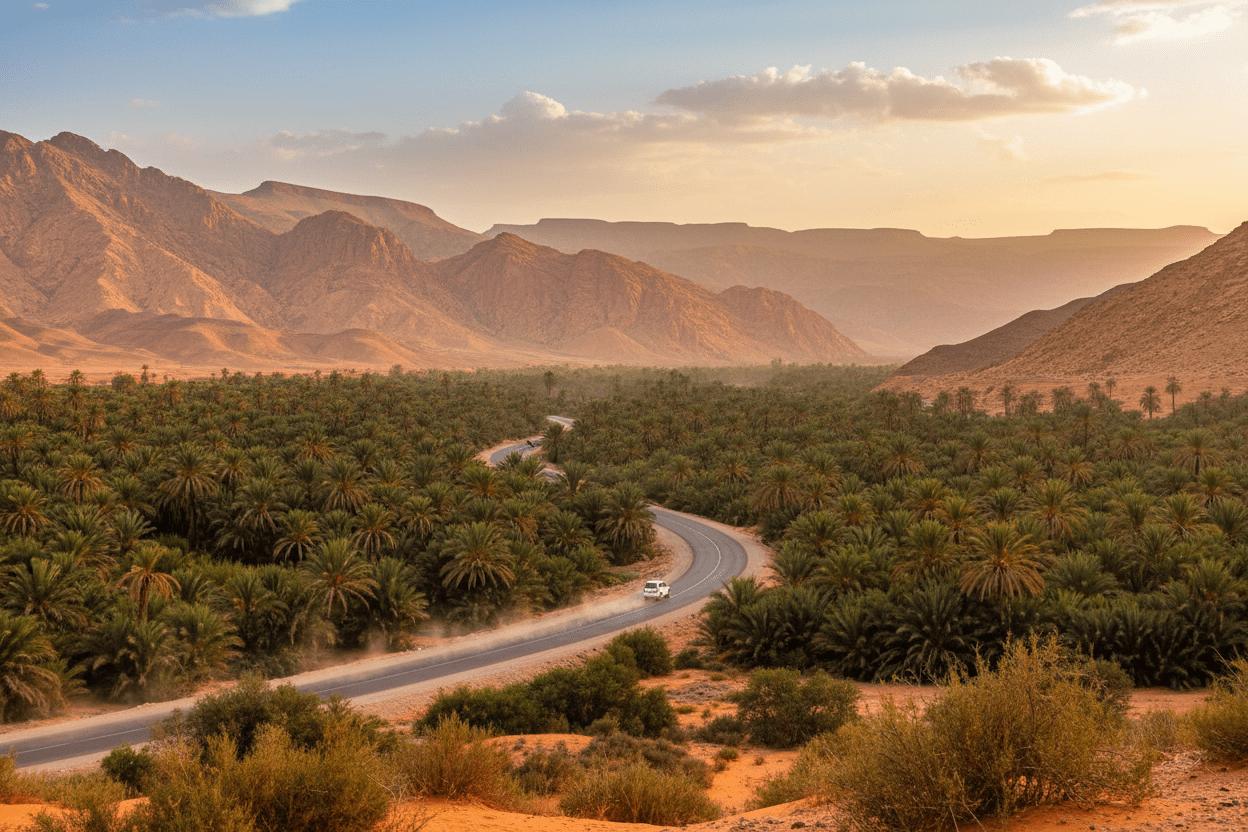
The mountains create another climate entirely. The High Atlas reaches more than 4,000 metres, with Jbel Toubkal rising to 4,167 metres, so conditions at altitude can be dramatically colder than in nearby cities.
Travel farther south and the landscape becomes increasingly arid as you approach the Sahara.
For travelers, this diversity is one of Morocco's greatest advantages: changing your itinerary can completely change the weather you experience.
Morocco Weather by Season
Spring in Morocco: March to May
Spring is one of the most popular periods for exploring Morocco.
From March through May, temperatures generally become warmer without reaching the intense heat that can occur inland during July and August.
This makes spring particularly suitable for itineraries combining several destinations.
You might explore the medieval streets of Fes, visit the blue city of Chefchaouen, cross the Middle or High Atlas Mountains and continue toward the Sahara without dealing with the strongest summer temperatures.
The Moroccan National Tourist Office highlights spring as a particularly pleasant season and recommends spring and autumn for visiting the Sahara.
Spring is especially suitable for:
- Fes and the imperial cities
- Marrakech sightseeing
- Chefchaouen and northern Morocco
- Atlas Mountains excursions
- Sahara Desert tours
- Road trips across Morocco
- Hiking and outdoor activities
Travelers should still pack layers. Warm sunshine during the afternoon does not necessarily mean warm nights, especially in mountain and desert regions.
Summer in Morocco: June to August
Summer in Morocco is generally hot and dry, but the experience differs considerably depending on location.
Cities along the Atlantic coast benefit from maritime influences and breezes. Essaouira, Agadir and other coastal destinations can therefore provide a pleasant alternative when inland Morocco becomes very hot.
In cities such as Marrakech and Fes, July and August can be extremely hot during the afternoon. Historical climate averages show just how significant the difference can be: average summer highs in Marrakech approach the upper 30s Celsius, while coastal locations remain noticeably milder.
Travel is still possible during summer, but your daily schedule becomes more important. Early mornings and evenings are generally better for walking tours, medina visits and outdoor sightseeing.
If traveling into desert areas during summer, be prepared for intense daytime heat.
Summer is particularly suitable for:
- Atlantic coast holidays
- Agadir and Taghazout
- Essaouira
- Mediterranean beaches
- Early-morning sightseeing
- Mountain escapes
For long cultural tours through inland Morocco and the desert, many travelers find spring and autumn more comfortable.
Autumn in Morocco: September to November
Autumn is another excellent period for a Morocco tour.
September can remain quite warm, particularly during the first part of the month. As October arrives, temperatures become increasingly comfortable across many inland destinations.
For travelers interested in a classic Morocco itinerary — Fes, Marrakech, Atlas Mountains, kasbahs and Sahara Desert — October and early November can offer an attractive balance between warm days and more manageable temperatures.
The Moroccan National Tourist Office specifically identifies autumn, together with spring, as a favorable season for exploring the Sahara.
Autumn is excellent for:
- Morocco desert tours
- Fes cultural tours
- Marrakech
- Merzouga
- Atlas Mountains
- Imperial city tours
- Photography
- Multi-day road trips
Rain becomes more likely as the season progresses, particularly in northern Morocco.
Winter in Morocco: December to February
Many first-time visitors are surprised by Morocco's winter weather.
Morocco is in North Africa, but that does not mean the entire country stays hot throughout winter.
Coastal areas generally remain relatively mild, while inland cities can have comfortable daytime temperatures followed by cold evenings.
Fes, for example, can feel quite cool during winter mornings and nights. Marrakech often enjoys sunshine during the day, but temperatures fall after sunset.
In the Atlas Mountains, winter can bring snow and freezing conditions at altitude.
The contrast can be remarkable: travelers may see snowy mountain landscapes during the same holiday in which they enjoy sunny conditions farther south.
Winter is a good season for:
- Cultural and historical sightseeing
- Fes and Meknes
- Marrakech
- Southern Morocco
- Sahara Desert trips
- Photography
- Travelers who prefer cooler temperatures
Warm layers are essential for winter desert tours because desert temperatures can fall sharply after sunset.
Morocco Weather by Month
Morocco Weather in January
January is one of Morocco's coolest months.
Northern destinations such as Tangier, Chefchaouen and Fes can experience rain and chilly mornings. Marrakech is generally milder during daylight hours, while evenings can be cold.
January can nevertheless be an excellent month for travelers who prefer exploring historic sites without summer heat.
The Sahara offers pleasant daytime conditions compared with summer, but nights can become very cold.
Best for: cultural tours, Fes, Marrakech and winter desert adventures.
Pack: warm layers, a jacket, comfortable shoes and rain protection.
Morocco Weather in February
February remains cool, but signs of spring gradually begin appearing.
Days can be pleasant in Marrakech and southern Morocco, although mornings and evenings remain cold. Fes and northern regions can still receive rainfall.
Mountain travelers should continue to expect winter conditions at higher elevations.
February is particularly appealing for travelers who want to combine sightseeing with a Sahara experience without intense daytime heat.
Best for: imperial cities, desert trips and cultural travel.
Morocco Weather in March
March marks the beginning of spring and is an excellent time for touring the country.
Temperatures become warmer, landscapes can appear greener, and conditions are generally suitable for walking tours and road trips.
This is a particularly good month for combining Fes, Chefchaouen, Marrakech and the Sahara Desert within one itinerary.
Weather can still change quickly, however, particularly around the mountains.
Best for: round trips, Sahara tours, hiking and city sightseeing.
Morocco Weather in April
April is one of the most attractive months for visiting Morocco.
Days are generally warm without the extreme temperatures associated with midsummer. Spring conditions make exploring medinas, archaeological sites, valleys and desert landscapes more comfortable.
For travelers planning a tour from Fes to Merzouga, April can be particularly appealing.
Expect cooler conditions at night in the desert and mountains, so carrying a light jacket remains advisable.
Best for: almost every type of Morocco itinerary.
Morocco Weather in May
May brings warmer temperatures and plenty of sunshine.
Fes and Marrakech become noticeably hotter during the afternoon, but conditions are usually still more manageable than in July or August.
The Atlas Mountains are attractive for hiking and scenic excursions, while desert tours remain possible before peak summer heat.
Best for: road trips, desert tours, cultural travel and mountain excursions.
Morocco Weather in June
June marks the transition toward full summer conditions.
Fes and Marrakech become hot, particularly during the afternoon. Coastal areas such as Essaouira and Agadir remain more moderate thanks to their Atlantic location.
Travelers planning desert trips should prepare for high daytime temperatures and strong sunshine.
Best for: coastal trips, mixed itineraries and travelers comfortable with heat.
Morocco Weather in July
July is among the hottest months in Morocco, especially inland.
Historical climate averages for Marrakech show average daytime highs around 37°C (98°F) during July. Coastal destinations are generally cooler.
Sightseeing is still possible, but planning matters. Start early, take a break during the hottest afternoon hours, stay hydrated and return to outdoor activities later in the day.
Best for: Atlantic beaches, coastal resorts and mountain escapes.
Morocco Weather in August
August remains extremely warm in much of inland Morocco.
Marrakech, Fes and areas approaching the desert can experience intense afternoon temperatures. By comparison, destinations influenced by the Atlantic Ocean usually offer more moderate conditions.
If your itinerary includes the medinas, schedule walking tours for the morning.
August is also a popular period for Morocco's beaches.
Best for: Agadir, Essaouira, Taghazout and northern beaches.
Morocco Weather in September
September is a transition month.
The beginning of September can still feel like summer, but temperatures gradually become more comfortable as the month progresses.
This makes late September attractive for travelers interested in combining cities, mountains and desert landscapes.
Best for: cultural tours, desert trips and road trips.
Morocco Weather in October
October is an excellent month for exploring Morocco.
Temperatures are generally comfortable in many inland areas, making sightseeing and longer drives easier than during midsummer.
It is also one of the most suitable months for a Sahara Desert tour from Fes or Marrakech.
Days can remain warm while evenings become cooler, so light layers are useful.
Best for: Sahara tours, Fes, Marrakech, Atlas Mountains and complete Morocco itineraries.
Morocco Weather in November
November brings cooler weather and an increased possibility of rain, particularly across northern Morocco.
It remains a good month for cultural travel and desert tours. Fes becomes cooler, while Marrakech and southern destinations can still offer pleasant daytime conditions.
Pack warmer clothing for mornings and evenings.
Best for: history, culture, photography and desert travel.
Morocco Weather in December
December brings winter back to Morocco.
Fes, Chefchaouen and northern areas can feel cool and receive rainfall. Marrakech generally remains milder during daylight hours, while nights are considerably colder.
Snow may be present in the Atlas Mountains.
December can therefore be a fascinating month for travelers interested in experiencing Morocco's geographical contrasts.
Best for: cultural tours, winter sunshine and Sahara adventures.
Weather in Fes: What Travelers Should Know
Because many Morocco itineraries begin in Fes, understanding its climate is particularly useful.
Fes has stronger seasonal variations than Morocco's Atlantic coastal cities.
Winter can be cool and relatively wet. Spring brings comfortable temperatures and greener surroundings. Summers become hot and dry, while autumn gradually brings cooler conditions again.
For extensive medina exploration, spring and autumn are generally the most comfortable periods.
Summer visitors should plan walking tours early in the morning and later in the afternoon rather than spending the hottest part of the day continuously outdoors.
When Is the Best Time to Visit the Sahara Desert?
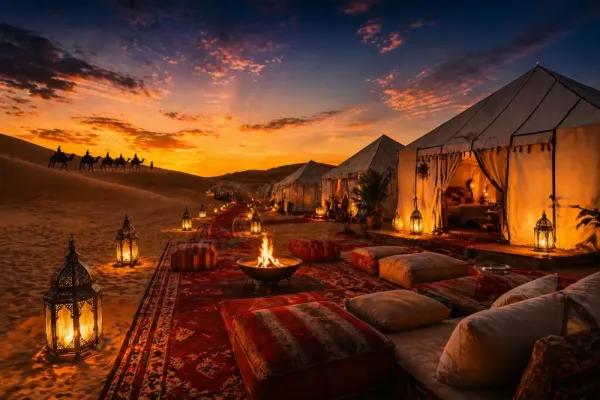
For most travelers, spring and autumn provide the most comfortable conditions for visiting Morocco's desert regions.
The Moroccan National Tourist Office also recommends these seasons for Sahara travel.
March to May and September to November generally avoid the strongest summer heat while offering comfortable conditions for exploring desert landscapes.
Winter is another possibility, particularly if you prefer cooler days, but you should prepare for cold nights.
July and August can be exceptionally hot and require greater care when organizing outdoor activities.
Best Time to Visit Morocco
There is no single best month for every traveler.
If you want a comprehensive tour covering Fes, Marrakech, Chefchaouen, the Atlas Mountains and Sahara Desert, consider traveling during:
March to May or September to November.
For beach holidays, summer can be ideal, particularly along the Atlantic and Mediterranean coasts.
For cultural sightseeing without intense heat, winter can also be an excellent choice.
The best season therefore depends on your itinerary rather than simply the calendar.
What to Pack for Morocco's Weather
Whatever month you visit, layers are useful because temperatures can vary substantially between day and night and between different regions.
During spring and autumn, bring lightweight clothing, comfortable walking shoes, sun protection and a light jacket.
For summer, prioritize breathable clothing, sunglasses, sunscreen, a hat and good hydration.
During winter, bring warmer layers and a proper jacket, especially when traveling to Fes, Chefchaouen, the Atlas Mountains or Sahara Desert.
For desert trips throughout the year, remember that temperatures after sunset can be dramatically different from daytime conditions.
Frequently Asked Questions About Morocco Weather
Is Morocco hot all year?
No. Morocco has significant regional and seasonal differences. Summers can be extremely hot inland, but winters can be cool and rainy in northern cities and cold or snowy in mountain regions.
What is the hottest month in Morocco?
July and August are generally among the hottest months, particularly in inland cities and southern regions.
What is the best month to visit Morocco?
For travelers planning a multi-destination tour, April, May, September and October often provide a useful combination of warm weather and comfortable sightseeing conditions. The ideal month still depends on your destinations and preferred activities.
Does it snow in Morocco?
Yes. Snow occurs in Morocco's mountain regions, particularly the High Atlas and Middle Atlas, during winter.
Does it rain in Morocco?
Yes. Rainfall varies considerably by region and season. Northern Morocco and the Atlantic-facing areas generally receive more rain than the desert regions, with wetter conditions concentrated mainly in the cooler part of the year.
Is the Sahara cold at night?
It can be. Desert temperatures can drop considerably after sunset, particularly during winter. Travelers should bring appropriate layers even when daytime temperatures are comfortable.
When is the best time for a Morocco desert tour?
Spring and autumn are generally the most comfortable seasons for Sahara trips because they avoid much of the extreme summer heat.
Plan Your Morocco Trip Around the Weather
One of the advantages of traveling in Morocco is that every season offers a different experience.
Spring brings comfortable temperatures and colorful landscapes. Summer is perfect for enjoying Morocco's Atlantic and Mediterranean coastlines. Autumn offers excellent conditions for cultural tours and desert journeys, while winter combines cooler sightseeing weather with snow-covered mountains and comfortable daytime conditions in parts of southern Morocco.
The key is choosing an itinerary that matches the season.
Whether you want to wander through the ancient medina of Fes, cross the Atlas Mountains, sleep beneath the stars near the Sahara, explore Marrakech, discover Chefchaouen or spend time beside the Atlantic Ocean, Morocco can be visited throughout the year.
At Fes Morocco Tours, our itineraries connect Morocco's historic cities, mountain landscapes, kasbahs, valleys and desert regions. Choosing the right route for the time of year can make your journey considerably more comfortable and rewarding.
Explore our Morocco tours and start planning a journey designed around your travel dates, destinations and preferred experiences.