Fes is one of the best cities in Morocco for travelers who want to experience history, traditional craftsmanship, Moroccan food, and everyday local life. The best things to do in Fes include exploring the ancient Fes Medina, visiting Al-Qarawiyyin, seeing the famous Chouara Tanneries, discovering traditional madrasas, shopping in the souks, and tasting authentic Fassi cuisine.
But Fes is not a city you simply visit from one monument to another. Much of its charm is hidden inside narrow streets, workshops, riads, neighborhood bakeries, markets, and centuries-old buildings.
This guide will help you discover the best places to visit in Fes, what to experience, and how to make the most of your stay.
1. Explore Fes el-Bali Medina
Fes el-Bali is the historic heart of Fes and the place where most visitors should begin.
Walking through the old Medina feels completely different from exploring a modern city. Its narrow streets are filled with traditional shops, food stalls, fountains, mosques, workshops, riads, and markets.
The Medina is also famous for its maze-like layout. Rather than trying to rush through it, give yourself time to explore and observe everyday life.
You will see artisans working with leather, brass, wood, textiles, ceramics, and other materials using techniques passed down through generations.
Local tip: Wear comfortable shoes and allow several hours for the Medina. If you want to understand the history and find places that are easy to miss on your own, exploring with a local Fes guide can make the experience much more rewarding.
2. See the Chouara Tanneries
The Chouara Tanneries are among the most famous sights in Fes.
From the surrounding terraces, you can look down over the traditional tanning pits where leather is processed and dyed.
The tanneries are fascinating not only because of their appearance but because they represent a craft that has been associated with Fes for centuries.
Several leather shops have terraces overlooking the tannery. You may be offered mint leaves because the smell from the tanning process can be strong.
Bring your camera, but remember that this is also a working area where local craftspeople earn their living.
3. Visit Al-Qarawiyyin
Al-Qarawiyyin is one of the most important historic and religious landmarks in Fes.
Founded in the 9th century, it became an important center of Islamic learning and scholarship and remains closely connected to the intellectual history of the city.
Non-Muslim visitors generally cannot enter the mosque itself, but you can see parts of its beautiful architecture from the entrances while exploring the Medina.
The surrounding Qarawiyyin neighborhood is also worth exploring for its historic streets, traditional shops, and atmosphere.
4. Admire Bou Inania Madrasa
Bou Inania Madrasa is one of the finest examples of Marinid architecture in Fes.
Inside, you can admire detailed zellij tilework, carved plaster, cedar wood, geometric decoration, and a peaceful central courtyard.
It is an excellent place to slow down and appreciate the extraordinary level of craftsmanship found throughout historic Fes.
If you are interested in Moroccan architecture, this should be near the top of your list.
5. Enter the Medina Through Bab Boujloud
Bab Boujloud, often called the Blue Gate, is one of the most recognizable landmarks in Fes.
It serves as one of the main entrances to Fes el-Bali and is a natural starting point for exploring the old city.
Once you pass through the gate, you immediately enter busy Medina streets filled with cafés, restaurants, shops, food sellers, and traditional businesses.
The area is particularly atmospheric in the late afternoon and evening.
6. Visit Al-Attarine Madrasa
Al-Attarine Madrasa is another architectural treasure hidden inside the Medina.
Built during the Marinid period, it is known for its intricate tilework, carved wood, calligraphy, and elegant courtyard.
It is smaller than some of Fes's major monuments, but that is part of its charm. The details are extraordinary, so take your time rather than simply walking through.
7. Discover Nejjarine Museum and Fountain
The Nejjarine area provides another glimpse into the artistic heritage of Fes.
The Nejjarine Museum of Wooden Arts & Crafts is housed in a beautifully restored historic building and showcases traditional Moroccan woodworking.
Nearby, you can also see the famous Nejjarine Fountain.
This part of the Medina is particularly interesting for travelers who want to understand the craftsmanship behind traditional Moroccan houses, furniture, doors, and decorative objects.
8. Walk Through the Traditional Souks
Shopping in Fes is an experience in itself.
Different sections of the Medina traditionally specialize in particular crafts and products. As you explore, you may encounter spices, leather goods, ceramics, carpets, fabrics, metalwork, traditional clothing, perfumes, and handmade decorations.
You do not have to buy anything to enjoy the souks.
Watching craftspeople work and seeing how traditional businesses operate is part of experiencing Fes.
If you decide to buy something, take your time, ask questions about how it was made, and agree on the price before completing your purchase.
9. Taste Traditional Fes Cuisine
Food should be an important part of any visit to Fes.
The city has a long culinary tradition, and exploring local dishes gives you another way to understand its culture.
Depending on the season and restaurant, look for Moroccan dishes and specialties such as tagine, couscous, pastilla, harira, Moroccan salads, grilled meats, fresh bread, pastries, and mint tea.
Try both established restaurants and smaller local places during your stay.
A food-focused walk through the Medina can also introduce you to ingredients and dishes you might otherwise overlook.
10. Visit the Royal Palace Gates
Although the Royal Palace itself is not open to visitors, its impressive gates are worth seeing.
The large decorative doors are known for their beautiful brasswork, tilework, and traditional Moroccan design.
This is usually a short stop, so it combines easily with other attractions outside Fes el-Bali.
11. Explore the Mellah
The Mellah is the historic Jewish quarter of Fes.
Exploring this neighborhood reveals another important part of the city's history and cultural heritage.
Its architecture differs in places from the traditional Medina, particularly the houses with exterior balconies.
A visit here can be combined with the Royal Palace area and other sights in Fes el-Jdid.
12. See Fes From a Panoramic Viewpoint
After spending hours inside the narrow streets of the Medina, seeing Fes from above gives you an entirely different perspective.
From viewpoints around the city, you can appreciate the enormous scale of the old Medina, its rooftops, minarets, surrounding hills, and dense network of streets.
Late afternoon can be an especially beautiful time to visit a viewpoint as the light changes over the city.
13. Discover Traditional Fes Pottery and Ceramics
Fes is famous throughout Morocco for its ceramics and distinctive blue-and-white pottery.
Visiting a pottery workshop gives you the opportunity to see how artisans shape, paint, glaze, and decorate pieces by hand.
You may also see craftspeople creating traditional zellij mosaics by cutting individual tiles into geometric shapes.
Seeing the work involved makes the mosaics and decoration found throughout Fes even more impressive.
14. Stay in a Traditional Riad
One of the best ways to experience Fes is to stay inside a traditional riad or dar.
From the street, many historic homes look surprisingly simple. Inside, however, they can open into beautiful courtyards decorated with tilework, carved plaster, fountains, cedar wood, and traditional furniture.
Staying in the Medina also allows you to experience Fes early in the morning and later in the evening, when many day visitors have left.
15. Take a Day Trip From Fes
Fes is also an excellent base for exploring northern and central Morocco.
Popular excursions include Chefchaouen, Meknes, Volubilis, Moulay Idriss, Ifrane, and the Middle Atlas region.
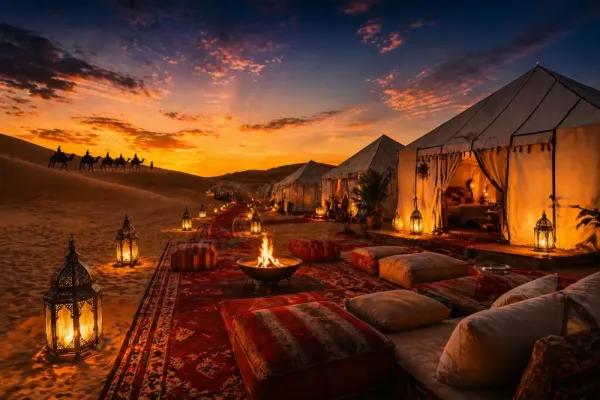
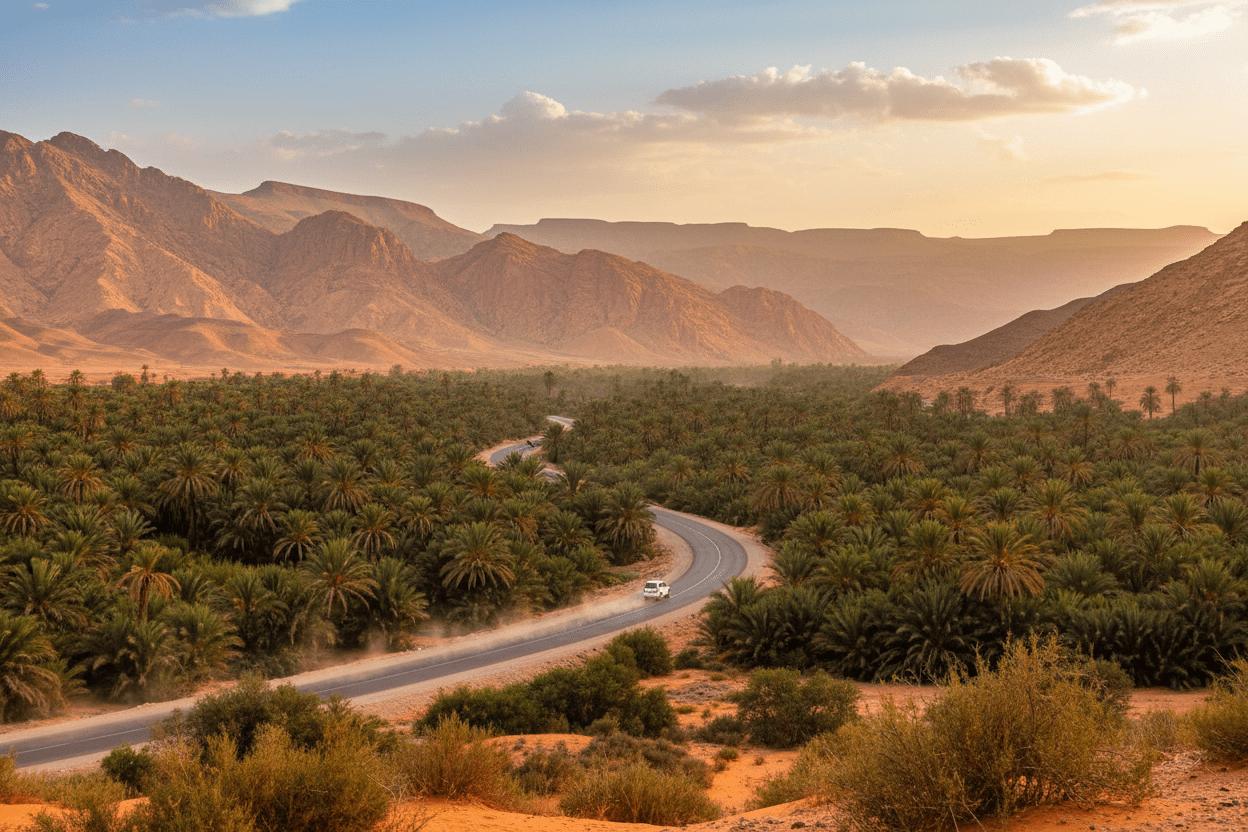
If you have several days available, Fes is also a popular starting point for longer journeys toward Merzouga and the Sahara Desert.
Instead of changing hotels every night, you can spend several nights in Fes and use the city as your base for nearby excursions.
How Many Days Do You Need in Fes?
For most first-time visitors, two to three days in Fes gives you enough time to explore the main historical attractions without rushing.
With one day, concentrate on Fes el-Bali and its major landmarks.
With two days, you can explore the Medina more deeply and visit areas such as the Mellah, Royal Palace gates, pottery workshops, and panoramic viewpoints.
With three or more days, consider adding a day trip from Fes.
Do You Need a Guide in Fes?
You can explore parts of Fes independently, but the Medina is enormous and can be confusing for first-time visitors.
A knowledgeable local guide can help you navigate the smaller streets while explaining the history, architecture, crafts, food, and traditions you are seeing.
A guide is particularly useful if you only have one day in Fes and want to see the major sights efficiently.
Explore Fes With a Local Guide
Want to discover more than the main tourist stops?
Fes Morocco Tours offers private guided experiences in Fes, allowing you to explore the Medina, historic monuments, traditional crafts, local neighborhoods, and Moroccan culture with a local guide.
Choose a private tour if you want a more flexible experience adapted to your interests and schedule.
[View Our Fes Guided Tours]
Best Time to Visit Fes
Spring and autumn are popular periods for visiting Fes because temperatures are generally more comfortable for spending long hours walking through the city.
Summer can be hot, particularly during the middle of the day. If visiting during hotter weather, start sightseeing earlier, take a break during the warmest hours, and continue later in the afternoon.
Winter can be cooler than many travelers expect, especially in the mornings and evenings, so bring appropriate layers.
What to Wear in Fes
There is no special tourist dress code for walking around Fes, but Morocco is culturally conservative.
Lightweight, comfortable clothing that provides reasonable coverage is a practical choice. Comfortable walking shoes are especially important because Medina streets can be uneven.
In summer, bring sun protection and water. During cooler months, bring layers for mornings and evenings.
Is Fes Worth Visiting?
Yes. Fes is particularly worth visiting if you are interested in Moroccan history, architecture, traditional crafts, food, and culture.
While Marrakech often attracts more first-time visitors, Fes offers a different atmosphere. Its historic Medina remains the center of everyday life, with workshops, markets, religious buildings, homes, bakeries, schools, and businesses packed into the old city.
Give Fes enough time and explore beyond the most famous photo stops.
Frequently Asked Questions About Fes
What is Fes famous for?
Fes is famous for its historic Medina, traditional souks, Chouara Tanneries, Al-Qarawiyyin, Marinid architecture, ceramics, leatherwork, Moroccan cuisine, and centuries-old craft traditions.
What are the best things to do in Fes?
Some of the best things to do in Fes are exploring Fes el-Bali, seeing the Chouara Tanneries, visiting Bou Inania and Al-Attarine madrasas, discovering Al-Qarawiyyin, walking through the souks, tasting local food, and seeing the city from a panoramic viewpoint.
How many days should I spend in Fes?
Two to three days is ideal for many first-time visitors. Spend at least one full day exploring the Medina and use additional days to discover the rest of Fes or take a nearby day trip.
Can I explore Fes Medina without a guide?
Yes, but getting lost is easy because the Medina contains a complicated network of narrow streets. Exploring independently can be enjoyable if you have plenty of time, while a local guide is useful for understanding the history and finding less obvious places.
Is Fes walkable?
The historic Medina is primarily explored on foot. Comfortable shoes are essential because you will spend considerable time walking over uneven streets, steps, and narrow lanes.
What should I not miss in Fes?
If you have limited time, prioritize Fes el-Bali, the Chouara Tanneries, Al-Qarawiyyin area, Bou Inania Madrasa, Bab Boujloud, the souks, and at least one panoramic viewpoint.
Plan Your Visit to Fes
Fes rewards travelers who slow down.
Come for the famous Medina and tanneries, but leave time for the smaller experiences: watching an artisan work, drinking mint tea, discovering an unexpected courtyard, tasting fresh Moroccan bread, or simply observing daily life in one of Morocco's most historic cities.
If you would like to explore Fes with someone who knows the city, Fes Morocco Tours offers private Fes guided tours, day trips, and Morocco desert tours tailored to different schedules and interests.