Morocco is a country where ancient cities, dramatic mountains, Atlantic beaches and Sahara landscapes can all be experienced during a single journey. From wandering through the medieval streets of Fes to watching the sunset over the dunes near Merzouga, every region offers something different.
For first-time visitors, however, deciding where to go in Morocco can be difficult. Should you spend more time in Marrakech or Fes? Is Chefchaouen worth visiting? How many days should you spend in the Sahara? And which destinations work well together?
This guide covers 15 of the best places to visit in Morocco, including imperial cities, desert destinations, coastal towns, mountain landscapes and smaller historical stops that can transform a simple holiday into a complete Morocco experience.
1. Fes – Morocco’s Historic and Cultural Heart
6For travelers interested in Moroccan history, architecture and traditional culture, Fes deserves a prominent place on the itinerary.
The city is particularly famous for Fes el-Bali, its historic medina. Walking through its narrow streets feels completely different from exploring a modern city. Behind its walls are traditional workshops, souks, mosques, madrasas, riads and centuries-old buildings.
One of the best-known sights is the Chouara Tannery, where traditional leather-working techniques remain an important part of the city's identity.
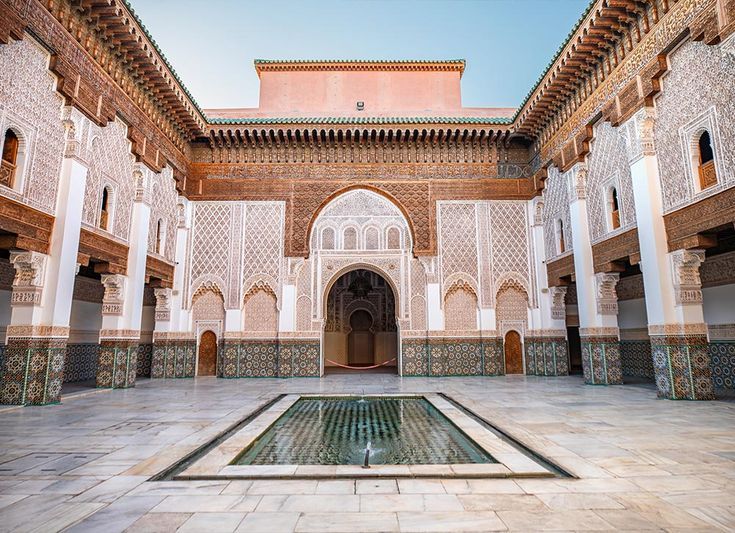
Visitors should also explore the Bou Inania Madrasa, Nejjarine area, traditional souks and viewpoints overlooking the old medina.
Fes is also an excellent starting point for longer journeys toward Ifrane, the Middle Atlas, Erfoud, Merzouga and the Sahara Desert.
Recommended stay: 2–3 days.
2. Marrakech – The Red City
4Marrakech is one of Morocco's most famous destinations and an excellent introduction to the energy of the country.
At the center of the old city is Jemaa el-Fna, surrounded by restaurants, cafés, markets and the maze-like streets of the medina.
Travelers can explore historical monuments, traditional riads, gardens and souks while also enjoying Morocco's modern hospitality scene.
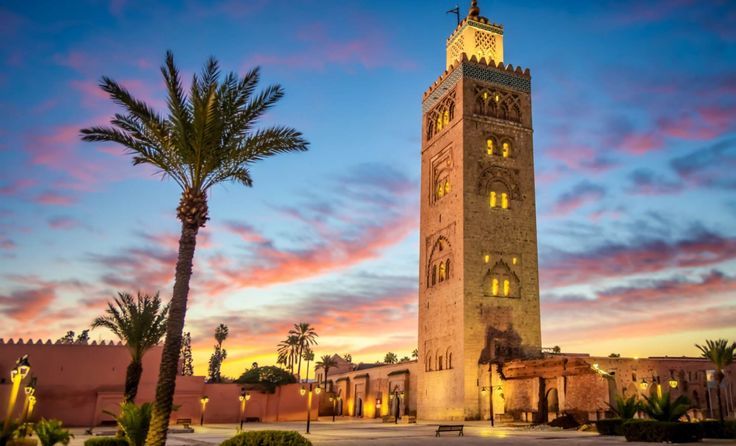
Important places include Bahia Palace, Koutoubia Mosque surroundings, the Saadian Tombs and the medina.
Marrakech is also strategically located for excursions toward the High Atlas Mountains, Ait Ben Haddou, Ouarzazate and Sahara routes.
Recommended stay: 2–4 days.
3. Chefchaouen – Morocco’s Blue City
6Hidden among the Rif Mountains, Chefchaouen has become one of Morocco's most recognizable destinations.
The old town is known for buildings, doors and alleyways painted in different shades of blue.
But Chefchaouen offers more than photographs.
Its relatively compact medina makes it enjoyable to explore on foot, while the surrounding mountains create opportunities for viewpoints and nature excursions.
The main square, Plaza Uta el-Hammam, is a natural place to begin exploring.
Walking toward the Spanish Mosque viewpoint around sunset can provide beautiful views over the town.
Chefchaouen works particularly well in itineraries connecting Tangier and Fes.
Recommended stay: 1–2 days.
4. Merzouga and the Sahara Desert
6For many international visitors, seeing the Sahara Desert is one of the main reasons to travel to Morocco.
Merzouga is a small southeastern settlement located beside the impressive Erg Chebbi dunes.
The landscape changes dramatically as you approach the area. Cities and green valleys gradually give way to rocky landscapes, palm groves and eventually enormous sand dunes.
Popular experiences include watching sunrise and sunset, exploring the dunes, spending a night in a desert camp and discovering communities around the desert region.
The journey itself is part of the experience.
A trip from Fes toward Merzouga can pass through the Middle Atlas, Ifrane, cedar landscapes, the Ziz Valley and southeastern towns before reaching the dunes.
Recommended stay: 1–2 nights in the desert region.
5. Ait Ben Haddou
6Ait Ben Haddou is one of Morocco's most distinctive historical landscapes.
This traditional fortified settlement sits along an old caravan route between the Sahara and Marrakech.
Its earthen architecture creates a remarkable visual contrast with the surrounding dry landscape.
The site is also internationally recognized as a UNESCO World Heritage Site.
Ait Ben Haddou is commonly incorporated into road trips between Marrakech and southeastern Morocco and can be combined with Ouarzazate.
Recommended stay: Several hours or one night nearby.
6. Ouarzazate – Gateway to Southern Morocco
Ouarzazate is often described as a gateway between the High Atlas and Morocco's desert regions.
Its location makes it a useful stop on journeys connecting Marrakech with valleys, kasbahs and the Sahara.
The surrounding landscapes have also made the region an important location for international film productions.
Travelers interested in architecture can explore Taourirt Kasbah, while cinema enthusiasts can discover the area's film studios.
Recommended stay: 1 day.
7. Dades Valley
The Dades Valley introduces visitors to another side of Morocco.
Rather than enormous cities or open desert, the region combines rocky formations, villages, kasbahs and valleys.
The drive through the area is particularly memorable, with winding mountain roads and viewpoints across dramatic geological formations.
Many multi-day Sahara tours include an overnight stop around the Dades Valley.
This breaks up the journey while allowing travelers to experience rural Morocco rather than simply driving directly between Marrakech and Merzouga.
Recommended stay: 1 night.
8. Todra Gorge
Todra Gorge is one of the most impressive natural attractions in southeastern Morocco.
Towering rock walls create a narrow canyon that attracts travelers, photographers, hikers and climbers.
The gorge can easily be incorporated into a Sahara itinerary and provides an interesting contrast to the sand dunes farther south.
Even travelers who are not interested in serious hiking can enjoy a walk through the gorge and surrounding landscapes.
Recommended visit: Half a day.
9. Essaouira – Atlantic Charm
7Travelers looking for a slower pace after Marrakech should consider Essaouira.
Located on Morocco's Atlantic coast, the city combines a historic medina with a fishing port, fortified walls, beaches and a relaxed atmosphere.
The Atlantic influence also means temperatures can feel different from inland Morocco, particularly during summer.
Visitors can walk along the ramparts, explore the medina, visit the harbor and enjoy fresh seafood.
Essaouira is accessible from Marrakech and is frequently included as an extension to longer Morocco itineraries.
Recommended stay: 1–2 days.
10. Casablanca
Casablanca is Morocco's largest city and one of its major economic centers.
It offers a very different experience from Fes or Chefchaouen.
The city's most famous landmark is the Hassan II Mosque, dramatically positioned beside the Atlantic Ocean.
Casablanca can be particularly useful as the beginning or end of a Morocco itinerary because of its international connections.
Travelers primarily interested in historical medinas may choose to spend more time elsewhere, but Casablanca provides insight into modern urban Morocco.
Recommended stay: 1 day.
11. Rabat – Morocco’s Capital
Rabat combines historical monuments, coastal scenery and the atmosphere of a modern capital.
Important attractions include the Hassan Tower, Mohammed V Mausoleum and Kasbah of the Udayas.
Compared with Marrakech and Fes, Rabat can feel less overwhelming, making it a comfortable stop on a journey between Casablanca and northern Morocco.
Its Atlantic location also provides attractive waterfront areas.
Recommended stay: 1 day.
12. Meknes
Meknes is one of Morocco's historic imperial cities and makes an excellent addition to a stay in Fes.
The city offers monumental gates, historical architecture, traditional markets and important links to Morocco's imperial past.
Because Meknes receives fewer international visitors than Marrakech or Fes, it can provide a different atmosphere.
It can also be combined with nearby Volubilis on a day trip.
Recommended stay: 1 day.
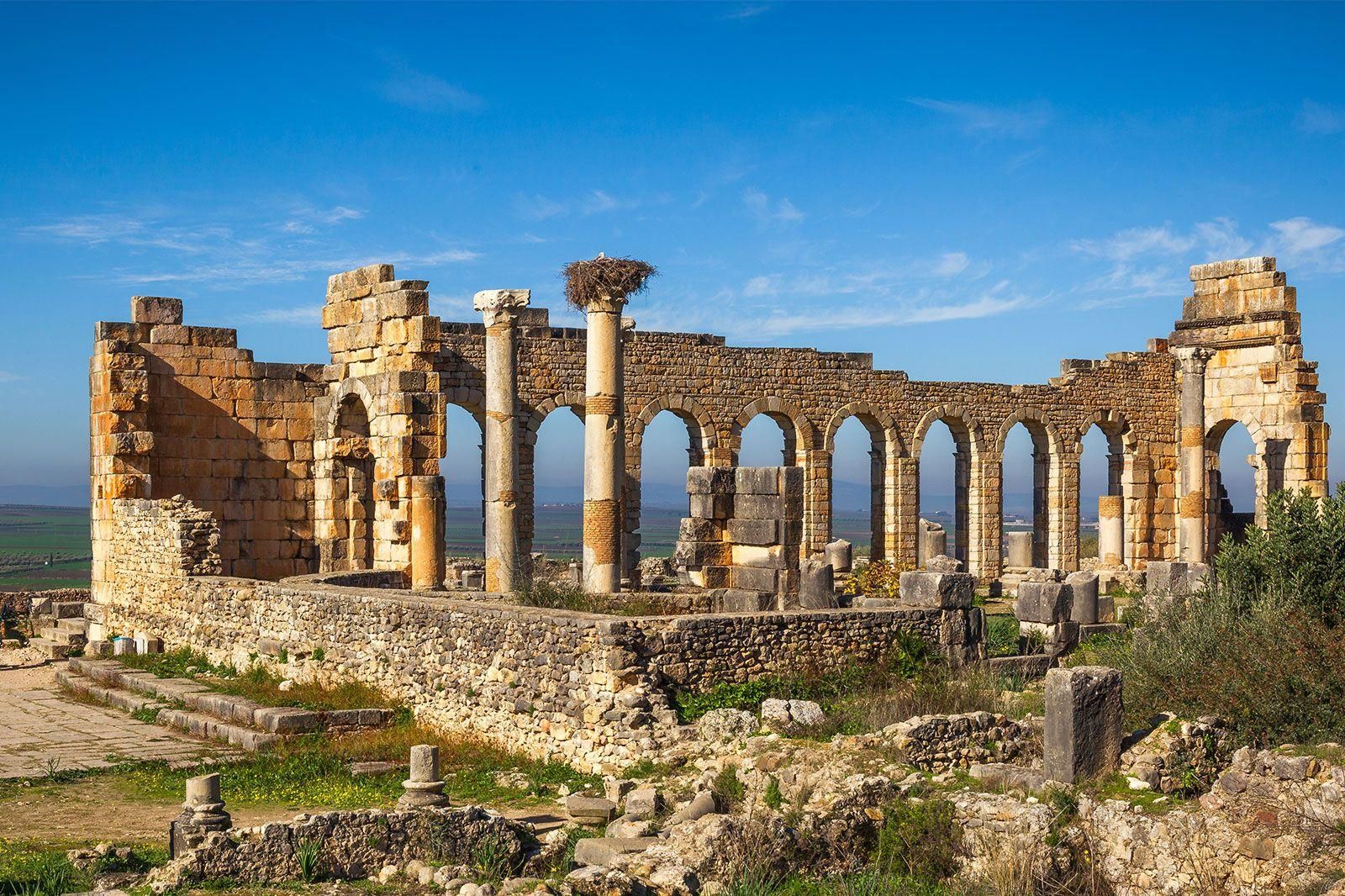
13. Volubilis
6For travelers interested in ancient history, Volubilis is one of Morocco's essential archaeological sites.
The UNESCO-listed site preserves extensive remains of an ancient Roman city, including columns, arches, houses and mosaics.
Its open setting also offers views over the surrounding countryside.
Volubilis can easily be incorporated into a journey between Fes and Meknes.
Combining the two destinations creates an excellent historical day trip from Fes.
Recommended visit: 2–3 hours.
14. Atlas Mountains
6Morocco's Atlas Mountains form an important geographical divide and offer some of the country's most impressive scenery.
The mountain ranges provide opportunities for hiking, scenic drives, village visits and escapes from the heat of Morocco's inland cities.
The High Atlas contains Jbel Toubkal, Morocco's highest mountain.
Travelers driving between Marrakech and southern Morocco can also experience spectacular mountain roads and changing landscapes without undertaking a dedicated hiking trip.
Weather conditions vary significantly with elevation, so mountain travel should always be planned according to the season.
15. Tangier – Where Africa Meets the Strait of Gibraltar
Tangier sits in northern Morocco overlooking the Strait of Gibraltar.
Its location has contributed to a distinctive history influenced by connections between Morocco, Europe and the Mediterranean world.
Travelers can explore the medina, kasbah and coastal viewpoints before continuing toward Chefchaouen, Tetouan or Fes.
Tangier is particularly convenient for travelers arriving from Spain and for northern Morocco itineraries.
Recommended stay: 1–2 days.
Which Places Should First-Time Visitors Choose?
If you are visiting Morocco for the first time, trying to see everything during a short trip can make the journey unnecessarily rushed.
A better approach is to select destinations that form a logical route.
For approximately 7 days, you might concentrate on Fes, the Middle Atlas and Merzouga, or choose Marrakech, the High Atlas and southern Morocco.
With 10 days, you can connect more of the major highlights, such as Casablanca, Chefchaouen, Fes, the Sahara and Marrakech.
With 12 to 14 days, travelers have considerably more freedom to combine imperial cities, mountains, desert landscapes and the Atlantic coast.
Remember that distances can be deceptive. Morocco looks relatively compact on a map, but mountain roads and scenic routes mean some transfers take much longer than expected.
Fes or Marrakech: Which Should You Visit?
Ideally, visit both.
The two cities provide very different experiences.
Fes is particularly appealing for travelers interested in history, traditional craftsmanship and the atmosphere of an ancient medina.
Marrakech combines historical attractions with a large tourism infrastructure, restaurants, hotels, gardens and easy access to the High Atlas.
Rather than choosing between them, consider connecting the two cities through a multi-day journey across Morocco.
One of the most memorable routes is Fes → Middle Atlas → Merzouga → Todra Gorge → Dades Valley → Ouarzazate → Ait Ben Haddou → Marrakech.
Instead of simply transferring between two major cities, this route allows you to experience several completely different Moroccan landscapes.
How Many Days Do You Need in Morocco?
For a first visit, 7 to 10 days provides enough time to experience several important destinations.
If you want to combine northern Morocco, imperial cities, the Sahara and Marrakech without rushing, 10 to 14 days is more comfortable.
Travelers with only three or four days should concentrate on one region rather than attempting to cross the entire country.
The objective should not simply be seeing the maximum number of destinations. Leaving enough time to walk through a medina, stop at viewpoints, experience local food and enjoy the journey between cities usually creates a much better trip.
Best Time to Visit Morocco
Morocco can be visited throughout the year, but your ideal season depends on your itinerary.
Spring and autumn are particularly attractive for trips combining cities and desert regions because temperatures are generally more comfortable than during midsummer.
Summer works especially well for coastal destinations, while winter can be excellent for cultural sightseeing and southern Morocco.
If your itinerary includes several regions, remember that the weather in Fes can be very different from conditions in Marrakech, the Atlas Mountains or Merzouga on the same day.
Planning your route around the season can therefore significantly improve your experience.
Start Planning Your Morocco Tour
Morocco is not defined by one city or one landscape.
The experience comes from its contrasts: ancient medinas and modern cities, green valleys and desert dunes, mountain passes and Atlantic beaches, busy souks and quiet villages.
For first-time travelers, destinations such as Fes, Chefchaouen, Marrakech, Merzouga, Ait Ben Haddou and the Atlas Mountains provide an excellent introduction to this diversity.
At Fes Morocco Tours, you can build your journey around the destinations that interest you most, whether you want to begin in Fes, explore Morocco's imperial cities, cross the Atlas Mountains or travel toward the Sahara.
A well-planned itinerary gives you more than a collection of famous places. It allows you to experience how Morocco changes from one region to another and understand why the journey between destinations can be just as memorable as the destinations themselves.