Eid al-Adha Food in Morocco: Traditional Dishes, Flavors, and Family Celebrations
Every year, Muslims around the world celebrate Eid al-Adha with prayer, charity, and unforgettable meals shared with family and friends. In Morocco, Eid al-Adha is more than a religious celebration—it is a deep cultural experience centered around hospitality, tradition, and food.
From slow-cooked lamb tagines to smoky grilled brochettes, Moroccan families prepare some of the richest and most flavorful dishes of the year during Eid al-Adha. The holiday brings generations together around the table, where recipes passed down through families become the heart of the celebration.
In this guide, we explore the most popular Moroccan Eid al-Adha foods, traditional cooking methods, regional specialties, and why Moroccan cuisine during Eid is considered one of the highlights of visiting Morocco.
What Is Eid al-Adha?
Eid al-Adha, also known as the “Festival of Sacrifice,” commemorates the willingness of Prophet Ibrahim to sacrifice his son as an act of obedience to God. The celebration includes communal prayers, charitable giving, and the ritual sacrifice of livestock, usually sheep.
In Morocco, the holiday is deeply rooted in family traditions. Homes become lively gathering spaces filled with aromas of spices, grilled meats, fresh bread, and mint tea. Food plays a central role in strengthening family bonds and welcoming guests.
Moroccan Food Traditions During Eid al-Adha
Unlike ordinary meals, Eid dishes are prepared with special care and often involve the entire family. Fresh lamb is the centerpiece of the celebration, and almost every part of the animal is used in traditional Moroccan cooking.
The first day of Eid usually focuses on grilled meats and organ dishes, while later days include slow-cooked tagines, couscous, preserved meats, and hearty soups.
Some of the defining characteristics of Moroccan Eid cuisine include:
- Rich spice blends like cumin, saffron, turmeric, ginger, and ras el hanout
- Slow-cooking techniques that enhance flavor
- Homemade bread served with every meal
- Sweet and savory combinations
- Sharing large communal platters with family and guests
Popular Moroccan Eid al-Adha Dishes
1. Mechoui – Slow-Roasted Lamb
Mechoui is one of the most iconic dishes served during Eid al-Adha in Morocco. Traditionally, an entire lamb is slow-roasted over charcoal or in underground clay ovens until the meat becomes incredibly tender.
The lamb is usually seasoned simply with salt and cumin, allowing the natural flavor of the meat to shine.
Why Mechoui Is Special During Eid
- Symbolizes celebration and abundance
- Often shared among extended family members
- Cooked slowly for hours using traditional methods
- Served with Moroccan bread and mint tea
The crispy outer skin combined with juicy meat makes mechoui one of the most memorable Moroccan culinary experiences.
2. Brochettes – Moroccan Lamb Skewers
Brochettes are commonly prepared on the first evening of Eid. Small cubes of lamb are marinated with Moroccan spices and grilled over charcoal.
Street-style brochettes are popular throughout Morocco, but homemade Eid brochettes have a special flavor and emotional significance.
Common Ingredients
- Lamb cubes
- Cumin
- Paprika
- Garlic
- Olive oil
- Salt and pepper
Brochettes are usually served with fresh salads, olives, and warm khobz bread.
3. Moroccan Tagine
Tagine is a staple of Moroccan cuisine throughout the year, but during Eid al-Adha, lamb tagines become especially important.
Traditional Eid tagines may include:
- Lamb with prunes and almonds
- Lamb with caramelized onions
- Lamb with vegetables
- Spiced lamb with apricots
The sweet-and-savory balance is one of the defining features of Moroccan cooking.
Why Tourists Love Moroccan Tagine
Visitors to Morocco often describe tagine as one of the most flavorful dishes they experience during their travels. The slow cooking process allows spices and meat juices to blend perfectly.
Many travelers joining Morocco cultural tours or food tours specifically seek authentic tagine experiences in cities like Fes, Marrakech, and Chefchaouen.
4. Boulfaf – Grilled Liver Wrapped in Fat
Boulfaf is one of the first dishes prepared immediately after the Eid sacrifice. Lamb liver pieces are wrapped in caul fat and grilled over open flames.
This dish is especially popular because it is prepared fresh and enjoyed while families gather together after the Eid prayer.
Traditional Serving Style
- Served hot directly from the grill
- Sprinkled with cumin and salt
- Eaten with fresh Moroccan bread
- Often paired with mint tea
For many Moroccans, boulfaf represents the true beginning of Eid celebrations.

5. Couscous With Lamb and Vegetables
Couscous is another important dish served during Eid celebrations, especially on Fridays following the holiday.
Steamed semolina grains are topped with tender lamb, carrots, zucchini, chickpeas, and onions.
Cultural Importance of Couscous
In Moroccan culture, couscous symbolizes hospitality, unity, and family gathering. Large platters are placed in the center of the table for communal eating.
Tourists visiting Morocco during Eid often have the opportunity to experience authentic homemade couscous meals in rural villages and traditional riads.
6. Mrouzia – Sweet Moroccan Lamb Dish
Mrouzia is a festive Eid specialty made with lamb, raisins, honey, almonds, and ras el hanout spices.
This luxurious dish is famous for its rich flavor and aromatic sweetness.
Key Ingredients in Mrouzia
- Lamb
- Honey
- Cinnamon
- Raisins
- Almonds
- Ras el hanout spice mix
Mrouzia can be preserved for days, making it ideal for the extended Eid celebration period.
Moroccan Spices Used During Eid al-Adha
One reason Moroccan Eid food is so famous worldwide is the use of aromatic spices. Moroccan cuisine combines African, Arab, Berber, and Mediterranean influences.
Popular spices include:
- Cumin
- Cinnamon
- Ginger
- Saffron
- Turmeric
- Paprika
- Black pepper
- Ras el hanout
These spices create layers of flavor that make Moroccan dishes unique and unforgettable.
Traditional Moroccan Drinks During Eid
Food during Eid is always accompanied by traditional Moroccan beverages.
Moroccan Mint Tea
Moroccan mint tea is considered the national drink of Morocco. Sweet green tea mixed with fresh mint is served throughout Eid celebrations.
Mint tea symbolizes:
- Hospitality
- Friendship
- Respect for guests
Tea is often poured dramatically from a height to create foam on top.
Family and Hospitality During Eid in Morocco
Food in Morocco is closely tied to hospitality and generosity. During Eid al-Adha, families frequently invite neighbors, relatives, and travelers to share meals.
Visitors traveling in Morocco during Eid often experience exceptional warmth from local families.
In many Moroccan homes:
- Guests are always offered tea and sweets
- Meals are shared communally
- Families spend hours preparing food together
- Traditional recipes are passed between generations
This strong sense of community is one reason many tourists choose Morocco for cultural travel experiences.
Best Places in Morocco to Experience Eid Food
Travelers interested in authentic Moroccan Eid cuisine often visit historic cities and rural regions where traditions remain strong.
Fes
Known for:
- Traditional cooking methods
- Ancient medina food markets
- Authentic family recipes
- Rich culinary heritage
Fes is considered one of Morocco’s culinary capitals.
Marrakech
Famous for:
- Street food
- Luxury riads
- Food tours
- Traditional Moroccan restaurants
The city becomes especially vibrant during Eid celebrations.
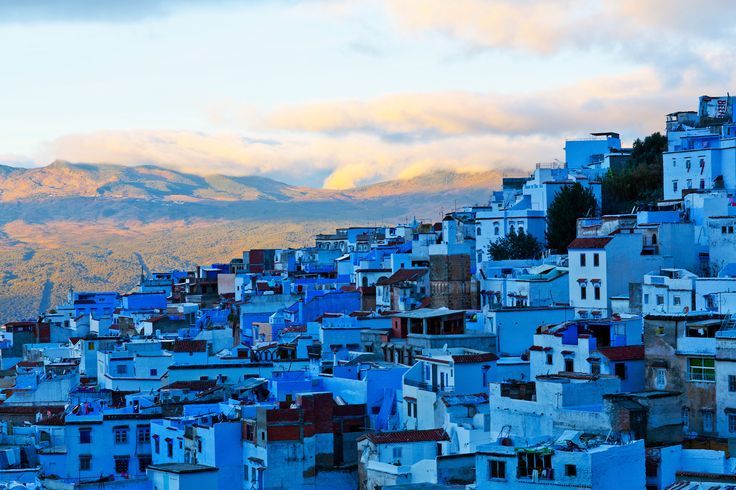
Chefchaouen
This blue mountain city offers:
- Traditional Rif mountain cuisine
- Family-style meals
- Relaxed Eid atmosphere
- Authentic local hospitality
Tangier
Located in northern Morocco, Tangier blends Moroccan, Mediterranean, and Andalusian culinary influences.
Travelers can enjoy:
- Fresh grilled meats
- Seafood specialties
- Traditional bakeries
- Local cafés and tea houses
Why Food Tourism in Morocco Is Growing
Morocco has become one of the world’s most exciting culinary travel destinations. Food lovers visit Morocco to experience authentic recipes, spice markets, cooking classes, and traditional family meals.
Eid al-Adha offers a rare opportunity for cultural immersion through food.
Travelers can experience:
- Authentic Moroccan hospitality
- Traditional home cooking
- Ancient culinary traditions
- Regional Moroccan flavors
- Desert and mountain cuisine
For many visitors, the food becomes the most memorable part of their Morocco journey.
Tips for Travelers Visiting Morocco During Eid al-Adha
If you plan to travel during Eid al-Adha, keep these tips in mind:
1. Book Accommodation Early
Hotels and riads may fill quickly during holiday periods.
2. Expect Business Closures
Some shops and restaurants close temporarily during the first days of Eid.
3. Accept Hospitality Respectfully
Moroccan families often invite visitors to share tea or meals.
4. Try Traditional Dishes
Eid is the best time to taste authentic homemade Moroccan food.
5. Respect Local Customs
Dress modestly and be respectful during religious celebrations.
Final Thoughts
Moroccan food during Eid al-Adha is far more than a culinary experience—it reflects family, faith, hospitality, and centuries of tradition.
From smoky brochettes and tender mechoui to sweet mrouzia and fragrant mint tea, every dish tells a story about Moroccan culture and community.
For travelers seeking authentic cultural experiences, visiting Morocco during Eid al-Adha offers a unique opportunity to discover the country through its unforgettable flavors and warm hospitality.
Whether exploring the ancient streets of Fes, enjoying a family feast in Marrakech, or sharing mint tea in Chefchaouen, Moroccan Eid cuisine leaves lasting memories for every visitor.