Moroccan Culture and Traditions: A Complete Guide for First-Time Visitors
Morocco is a destination that stays with you long after your journey ends. Beyond the colorful souks, Sahara dunes, historic medinas and beautiful riads, the country offers something even more memorable: a culture shaped by centuries of Amazigh, Arab, African, Andalusian and Mediterranean influences.
Understanding Moroccan culture and traditions before your trip can completely change the way you experience the country. A glass of mint tea becomes more than a drink. A walk through a souk becomes more than shopping. A traditional meal becomes an opportunity to understand Moroccan hospitality, family life and local customs.
From the ancient streets of Fes and the lively squares of Marrakech to mountain villages and desert communities, traditions remain an important part of everyday life.
This guide explores Moroccan hospitality, food, clothing, language, music, hammams, souks, craftsmanship and etiquette to help you experience Morocco with greater confidence and appreciation.
1. Moroccan Hospitality: More Than a Warm Welcome
Hospitality is one of the most recognizable aspects of Moroccan culture.
Visitors frequently encounter the tradition through something as simple as being offered tea. In homes, riads, shops and desert camps, sharing tea can be a way to welcome guests and create time for conversation.
Moroccan hospitality is closely connected with generosity. Meals may be shared from communal dishes, guests are often encouraged to eat more, and conversations can last much longer than travelers accustomed to faster-paced routines expect.
For visitors, one of the best ways to appreciate this tradition is simply to slow down.
Don't treat every interaction as a transaction. Take time to speak with your guide, riad host, artisan or driver. Ask questions about their city, cuisine or traditions.
These small conversations can become some of the most memorable parts of a trip through Morocco.
2. Moroccan Mint Tea and the Art of Sharing
Few things are as closely associated with Morocco as mint tea.
You may drink it while overlooking the rooftops of Fes, after arriving at a desert camp near Merzouga, while negotiating for a carpet or simply while relaxing at your riad.
Tea is generally prepared using green tea, fresh mint and sugar, although preparation and sweetness vary.
But the importance of Moroccan tea goes beyond its ingredients.
Serving tea is associated with hospitality and social connection. Sitting together over a pot of tea gives people an opportunity to talk, welcome visitors and take a break from the day.
If someone offers you tea, accepting it when practical is a simple way to participate in this tradition.
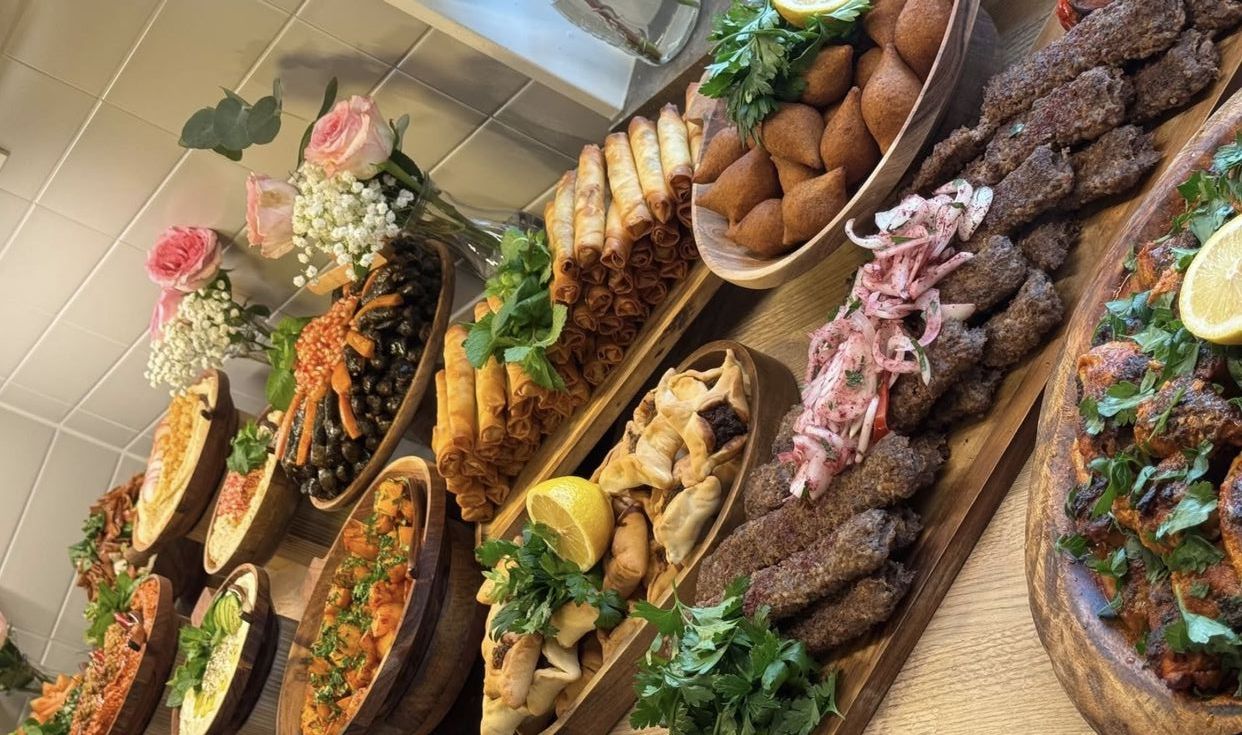
3. Moroccan Food: Discovering the Country Through Its Cuisine
Food is one of the easiest ways to discover Moroccan culture.
Moroccan cuisine combines spices, slow cooking, fresh produce, grains, meats, dried fruits and regional ingredients. Recipes also vary significantly between families and regions.
Tagine
Tagine is one of Morocco's most famous dishes.
The name refers to both the traditional cooking vessel and the food prepared inside it. There are countless varieties, including chicken with preserved lemon and olives, lamb with prunes, vegetable tagines and kefta with tomato and eggs.
Because ingredients differ from region to region, eating tagine in Fes may be a different experience from eating it in the Atlas Mountains or southern Morocco.
Couscous
Couscous has an important place in North African culinary culture and is traditionally associated with family and communal meals.
The knowledge and practices surrounding the production and consumption of couscous are recognized by UNESCO as Intangible Cultural Heritage through a joint inscription involving Morocco, Algeria, Mauritania and Tunisia.
Travelers may encounter couscous prepared with vegetables, meat, chickpeas and flavorful broth, with recipes varying between households and regions.
Pastilla
Pastilla is particularly associated with the culinary traditions of Fes.
It combines sweet and savory flavors in thin pastry, traditionally using seasoned filling, spices and a topping that may include cinnamon and sugar.
It is a good example of the layered flavors that make Moroccan cuisine distinctive.
Harira
Harira is a hearty soup commonly made using tomatoes, legumes, herbs and spices. Recipes vary from one family to another.
It has a particularly important association with Ramadan, when it is commonly served as part of the evening meal that breaks the fast.
Moroccan Bread
Bread is part of everyday Moroccan meals.
Rather than simply accompanying food, bread is often used to pick up vegetables, sauces and meat from a shared dish.
If you have an opportunity to visit a traditional bakery or watch bread being prepared in a Moroccan home, it can provide a fascinating look at everyday life.
4. Exploring a Traditional Moroccan Souk
A Moroccan souk is more than a shopping destination.
Souks have historically been important centers of commerce and social life. In old medinas such as Fes and Marrakech, different areas may specialize in particular products or crafts.
Walk through the narrow streets and you may encounter stalls selling:
- Spices and herbs
- Leather goods
- Carpets and rugs
- Ceramics
- Traditional lamps
- Jewelry
- Clothing
- Argan products
- Woodwork
- Metalwork
- Perfumes and oils
Shopping in a souk is also an experience.
For many products without displayed fixed prices, negotiation may be part of the process. Keep the conversation friendly and remember that you are interacting with a person whose shop or craft represents their livelihood.
If you are genuinely interested in handmade products, ask how they were produced and where they came from.
Learning the story behind an object can make your purchase far more meaningful.
5. Traditional Moroccan Craftsmanship
Morocco has a remarkable tradition of craftsmanship.
In the medinas, particularly in historic cities such as Fes, visitors can still find workshops where artisans practice skills passed through generations.
One famous example is Moroccan zellige.
These geometric mosaics are created from individually shaped pieces of tile arranged into intricate patterns. They decorate fountains, riads, mosques, madrasas, palaces and courtyards throughout the country.
Other important crafts include wood carving, metal engraving, leatherwork, pottery, embroidery and carpet weaving.
Fes is especially rewarding for travelers interested in traditional crafts. Walking through its artisan quarters provides opportunities to observe craftspeople working in spaces where similar trades have existed for generations.
A guided tour of the medina can help explain the meaning, history and techniques behind what you are seeing.
6. What Is a Moroccan Hammam?
The hammam is another important element of Moroccan life.
A traditional hammam is a public bath where people wash, relax and socialize. The experience typically involves warm or hot rooms, water, black soap and vigorous exfoliation.
There are different ways for travelers to experience a hammam.
Traditional neighborhood hammams offer a more local experience, while riads, hotels and spas often provide private treatments designed specifically for visitors.
If this is your first time, a spa-style hammam may be easier because staff explain the process and provide everything you need.
For travelers interested in everyday Moroccan traditions, however, learning about the role of the public hammam offers another perspective on community life.
7. Languages Spoken in Morocco
Language reflects Morocco's diverse history.
Arabic and Amazigh are the country's official languages. Moroccan Arabic, commonly called Darija, is widely used in everyday conversation. French is also widely understood, particularly in business and tourism, while Spanish is more common in some northern areas.
Travelers don't need to speak Arabic to visit Morocco, but learning a few words can make interactions warmer.
Useful expressions include:
Salam Alaikum – Hello / Peace be upon you
Shukran – Thank you
La, shukran – No, thank you
Bslama – Goodbye
Even attempting a few local words can create a friendly connection.
8. Traditional Clothing in Morocco
Moroccan clothing reflects regional traditions, personal style and the occasion.
One of the most recognizable garments is the djellaba, a long, loose robe commonly worn by both men and women in different styles.
Another famous garment is the Moroccan caftan, particularly associated with celebrations and formal occasions. Moroccan caftans can feature detailed embroidery, decorative belts, beadwork and elaborate fabrics.
In 2025, UNESCO inscribed the Moroccan caftan's art, traditions and skills on its Representative List of the Intangible Cultural Heritage of Humanity.
Visitors do not need to dress in traditional Moroccan clothing.
However, choosing respectful clothing—particularly when visiting religious or traditional areas—is appreciated. Lightweight clothing that covers the shoulders and knees can also be practical for sun protection.
9. Religion and Respectful Travel
Islam has an important influence on Moroccan daily life, architecture, celebrations and social customs.
Travelers may hear the call to prayer throughout the day and see mosques at the center of neighborhoods and medinas.
During Ramadan, daily routines can change as Muslims fast from dawn until sunset. Restaurants and attractions in tourist areas may continue operating, but schedules can differ.
Traveling during Ramadan can offer an interesting cultural experience, but visitors should be considerate of people who are fasting.
Access to mosques can also differ. Many active mosques in Morocco are not open to non-Muslim visitors, so always follow local rules and signs.
Respectful travel does not require understanding every custom. It simply means observing, asking when uncertain and respecting local practices.
10. Moroccan Music and Gnawa Culture
Music is another window into Morocco's cultural diversity.
Different regions have their own musical traditions, instruments and performance styles.
One particularly important tradition is Gnawa.
Gnawa combines music, spiritual traditions and cultural practices with historical African roots. UNESCO inscribed Gnawa on the Representative List of the Intangible Cultural Heritage of Humanity in 2019.
Essaouira has become especially well known internationally for Gnawa music and cultural events.
Visitors may also encounter traditional music during weddings, festivals, desert evenings and cultural performances throughout Morocco.
Listening to Moroccan music in the place where the tradition developed can be a much richer experience than simply watching a staged performance.
11. Tbourida: Morocco's Equestrian Tradition
Another fascinating Moroccan tradition is Tbourida, sometimes known internationally as fantasia.
Dating back centuries, Tbourida is an equestrian performance involving groups of riders in traditional clothing who charge together before firing their rifles in a coordinated movement.
The skill depends heavily on synchronization between the riders.
UNESCO inscribed Tbourida on the Representative List of the Intangible Cultural Heritage of Humanity in 2021.
Travelers may encounter Tbourida performances during festivals and cultural events in different parts of Morocco.
It provides a dramatic example of the relationship between horses, regional identity, ceremonial clothing and traditional Moroccan heritage.
12. Family and Community in Moroccan Culture
Family occupies an important place in Moroccan society.
Meals, religious celebrations, weddings and family gatherings often bring several generations together.
Travelers may notice that social interactions can feel more communal than in cultures where daily life is highly individual.
This also helps explain why hospitality is so important.
Being invited into someone's home for tea or a meal is not simply about food. It is an opportunity to sit together, exchange stories and build a connection.
If you receive such an invitation during your travels, approach it with gratitude and respect.
13. Photography Etiquette in Morocco
Morocco is extremely photogenic.
The blue streets of Chefchaouen, colorful tanneries of Fes, Sahara dunes, tiled courtyards, markets and mountain landscapes provide endless opportunities for photographers.
However, people are not tourist attractions.
Always ask before taking a close photograph of someone, particularly artisans, vendors, performers or people in rural communities.
Some people may decline. Others may expect payment if photography is part of their work.
Respect their decision.
Being considerate produces better interactions and often better photographs as well.
14. Visiting a Moroccan Medina
A medina is the historic old part of a Moroccan city.
For many first-time visitors, entering a medina is one of the defining experiences of traveling in Morocco.
Inside, you may find mosques, fountains, markets, bakeries, workshops, riads, restaurants and family homes connected by narrow streets.
The Medina of Fes is particularly famous for its historical character and extensive network of lanes.
It is easy for first-time visitors to become disoriented, which is part of the experience but can also make it difficult to understand what you are seeing.
Exploring with a knowledgeable local guide can add valuable context. Instead of simply passing a workshop or historic building, you can learn about its purpose, history and relationship to the surrounding neighborhood.
15. Cultural Etiquette: What Travelers Should Know
You don't need to memorize dozens of rules before visiting Morocco.
A few simple principles go a long way.
Dress respectfully when visiting traditional neighborhoods and religious sites. Ask before photographing people. Learn a few words of Darija. Be patient when negotiating in markets. Avoid assuming that every local interaction is designed for tourists.
Most importantly, observe the people around you.
Morocco is a diverse country. Customs can differ between major cities, small villages, coastal areas, mountain communities and desert regions.
What feels normal in modern Casablanca may be different from what you encounter in a small Atlas Mountain village.
Travel with curiosity rather than assumptions.
16. Where to Experience Moroccan Culture
Different destinations reveal different aspects of the country.
Fes
Fes is one of the best destinations for travelers interested in history, craftsmanship, traditional architecture, food and medina life.
Its old city provides an extraordinary environment for discovering artisan workshops, madrasas, souks and historic neighborhoods.
Marrakech
Marrakech combines historical attractions, souks, food, gardens, traditional architecture and a lively atmosphere.
Jemaa el-Fna is particularly famous for its role as a cultural gathering space.
Chefchaouen
Chefchaouen offers a slower atmosphere and distinctive architecture in the Rif Mountains. Beyond its famous blue streets, visitors can explore local markets, food and regional traditions.
Essaouira
Essaouira combines Atlantic coastal culture, a historic medina, seafood, crafts and strong musical traditions, particularly Gnawa.
The Atlas Mountains
Mountain communities provide opportunities to discover Amazigh culture, traditional villages, local cuisine and spectacular landscapes.
The Sahara
A journey toward Merzouga and the Sahara introduces travelers to another side of Morocco, with desert landscapes, local communities, music, food and traditional hospitality.
17. How to Have a More Authentic Experience in Morocco
Authentic travel doesn't mean avoiding every popular attraction.
It means going beyond simply photographing them.
Spend time with local guides. Visit artisan workshops. Eat regional dishes. Walk through markets. Learn about the history behind monuments. Stay in a traditional riad. Ask questions. Listen to people's stories.
Instead of trying to see ten destinations in a week, consider spending longer in fewer places.
Morocco rewards travelers who slow down.
A morning wandering through Fes Medina, an afternoon drinking tea with a view over the city or an evening talking around a desert campfire may become more memorable than rushing between famous attractions.
Final Thoughts: Discover the Culture Behind the Destination
Morocco is much more than a collection of beautiful places.
Its identity lives in its people, languages, food, music, craftsmanship, architecture, celebrations and everyday traditions.
Understanding Moroccan culture and traditions can transform your trip from a sightseeing holiday into a deeper travel experience.
Walk through the ancient medina of Fes and watch artisans at work. Share mint tea with your host. Taste couscous and tagine. Listen to Gnawa music in Essaouira. Explore an Amazigh village in the Atlas Mountains. Watch the sunset over the Sahara.
The landscapes may bring you to Morocco, but its culture is often what you remember most.
Whether you are planning your first journey or returning to discover more, leave space in your itinerary for conversations, unexpected discoveries and local experiences.
That is where Morocco often reveals its most memorable side.
Frequently Asked Questions About Moroccan Culture
What is Morocco best known for culturally?
Morocco is known for its hospitality, traditional cuisine, mint tea, medinas, souks, craftsmanship, Islamic and Amazigh heritage, music, architecture, hammams and family-centered traditions.
What should tourists wear in Morocco?
There is no single dress code for tourists, but modest and comfortable clothing is recommended, particularly in traditional neighborhoods and around religious sites. Covering shoulders and knees is a practical guideline in many situations.
What languages are spoken in Morocco?
Arabic and Amazigh are Morocco's official languages. Moroccan Arabic, or Darija, is widely spoken in daily life. French is also common, and Spanish can be heard in parts of northern Morocco.
Is bargaining common in Moroccan souks?
Negotiation is common for many goods sold in traditional markets when prices are not fixed. Keep the process polite and friendly, and only negotiate seriously when you are genuinely interested in purchasing.
Can tourists visit Moroccan mosques?
Many active mosques in Morocco restrict entry to Muslims. Rules vary by location, so visitors should check before entering and respect signs or instructions.
What food should I try in Morocco?
Popular dishes and foods include tagine, couscous, pastilla, harira, Moroccan bread, grilled meats, regional pastries and mint tea. Trying regional specialties is one of the best ways to experience Moroccan culture.
What is the best city for experiencing traditional Moroccan culture?
There is no single answer because each region offers something different. Fes is particularly known for its historic medina, traditional crafts and architecture, while Marrakech, Essaouira, Chefchaouen, the Atlas Mountains and desert regions offer different cultural experiences.