Long before cities like Fes and Marrakech were founded, the Amazigh people lived in the mountains, valleys and deserts of North Africa. Often called Berbers, they are the indigenous people of the region, and their culture remains at the heart of Moroccan identity.
This guide introduces Amazigh language, symbols and traditions, and where you can experience them during your trip.
Who Are the Amazigh?
The word Amazigh (plural Imazighen) is often translated as “free people”. Many Imazighen prefer this name to “Berber”. A large part of Morocco's population has Amazigh roots, especially in the Atlas Mountains, the Rif and the south.
The Amazigh Language
The Amazigh language, Tamazight, has several regional varieties in Morocco:
- Tarifit in the Rif (north).
- Central Atlas Tamazight in the Middle Atlas.
- Tachelhit (Tashelhiyt) in the High Atlas, Anti-Atlas and Souss.
Since 2011, Amazigh has been an official language of Morocco alongside Arabic. You will see it on road signs and public buildings.
The Tifinagh Script
Tamazight is written in an ancient alphabet called Tifinagh, with geometric letters. The most famous letter is ⵣ (yaz), which looks like a person with raised arms and symbolises the free person. It appears in the centre of the Amazigh flag.
A Few Words in Tamazight
- Azul - Hello
- Tanemmirt - Thank you
- Ar tufat - See you tomorrow
The Amazigh Flag
The flag has three horizontal colours: blue for the sea, green for the mountains and nature, and yellow for the desert, with the red yaz in the centre symbolising the people and resistance.
Yennayer: The Amazigh New Year
The Amazigh New Year, Yennayer, is celebrated around 13 to 14 January. Families prepare special dishes like couscous with seven vegetables or a dish of grains called tagoulla. Since 2024, 14 January is an official public holiday in Morocco.
Amazigh Symbols and Crafts
Carpets
Amazigh women weave carpets with symbols representing fertility, protection, nature and daily life. Each region has its own style, such as the white Beni Ourain or the colourful Azilal.
Jewellery
Silver jewellery with coral, amber and enamel is typical. The fibula (a decorative brooch) and the hand of Fatima (khamsa) are common protective symbols.
Tattoos and henna
Traditionally, some Amazigh women had facial tattoos with geometric symbols. Today, henna designs are used for celebrations.
Architecture
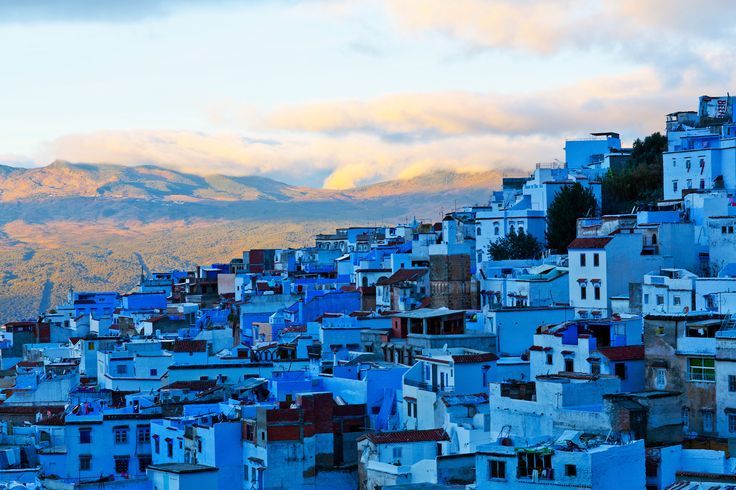
Kasbahs, ksour and granaries (igoudar) built of earth and stone, like Ait Ben Haddou, are major examples of Amazigh architecture.
Music and Dance
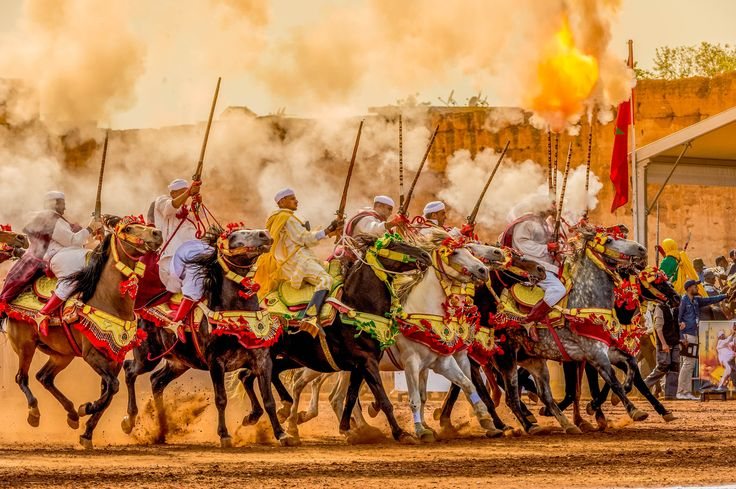
Ahidous in the Middle Atlas and Ahwash in the High Atlas are collective dances with singing, clapping and drums, performed at weddings and festivals.
Where to Experience Amazigh Culture
- The Middle Atlas: Azrou, Ifrane and Khenifra.
- The High Atlas: Imlil and the Ait Bouguemez valley.
- The south: Dades Valley, Todra Gorge, Ait Ben Haddou.
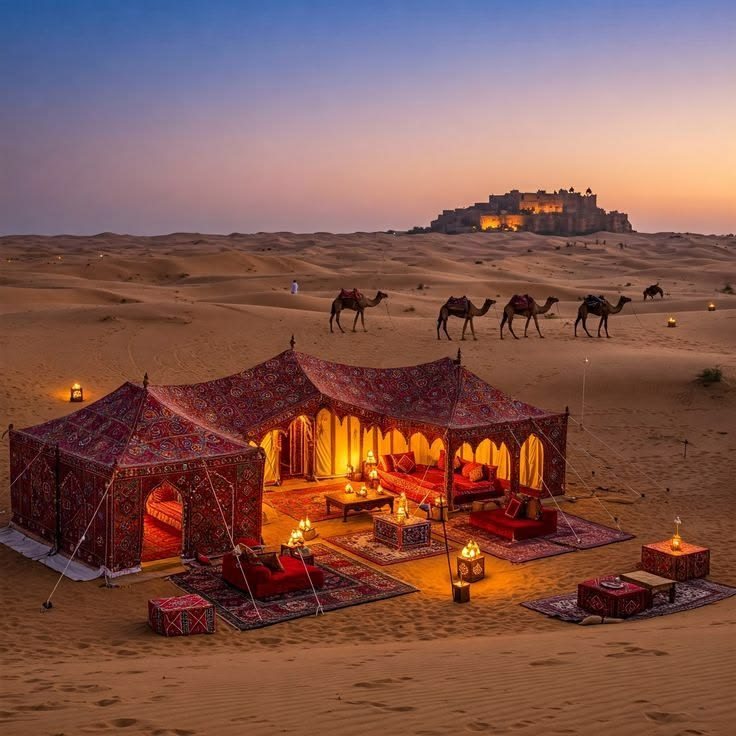
- The desert: nomad families around Merzouga.
A desert tour from Fes crosses many Amazigh regions. Read our Atlas Mountains guide and Moroccan culture guide.
Frequently Asked Questions
Is it Berber or Amazigh?
Both are used, but many people prefer “Amazigh”.
Is Amazigh an official language?
Yes, since the 2011 constitution.
Can I visit an Amazigh family?
Yes, during tours in the mountains or desert, many families welcome visitors for tea.
Meet the Amazigh People
Discover Amazigh villages, crafts and hospitality on a private journey with Fes Morocco Tours. See our desert tours or contact us.